
browse our blog
telling stories. challenging systems. building a new future for filmmakers.
Explore posts about Wild Commons Films | Filmmaker Discourse | Meet the Team
Wild Commons is a home for independent films about science, nature, and the people working to protect our shared planet.
Here, we go beyond the films to explore the science, communities, creative choices, and bigger questions behind them, from conservation and culture to filmmaking, distribution, and what it means to tell true stories about a changing world.
Explore our posts below ⤵
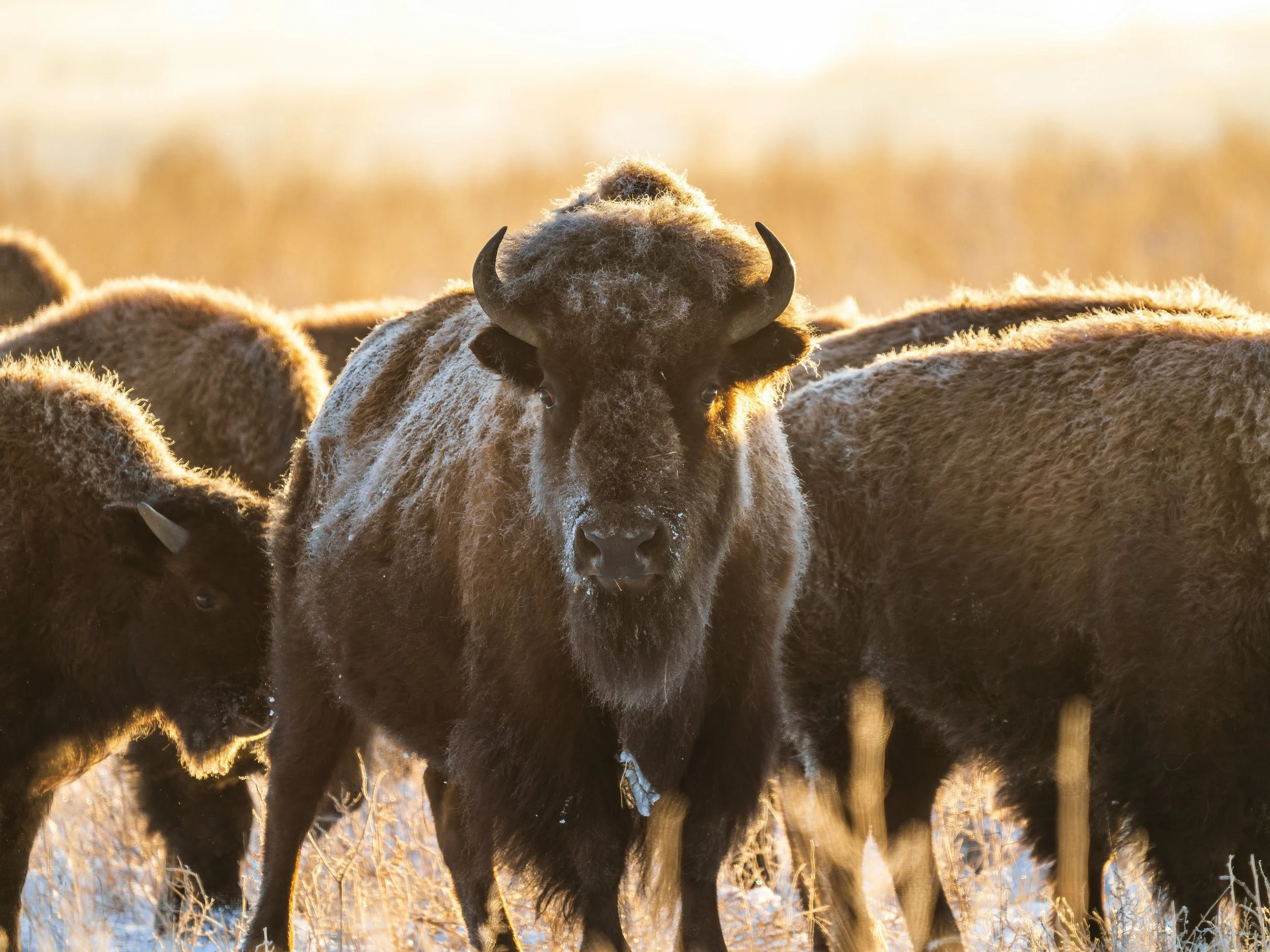
In Defense of Watching Bison Do Absolutely Nothing
Four hours. A herd of bison. No plot whatsoever. Why Wild Commons is making room for ambient nature, and the simple pleasure of spending time with the wild.
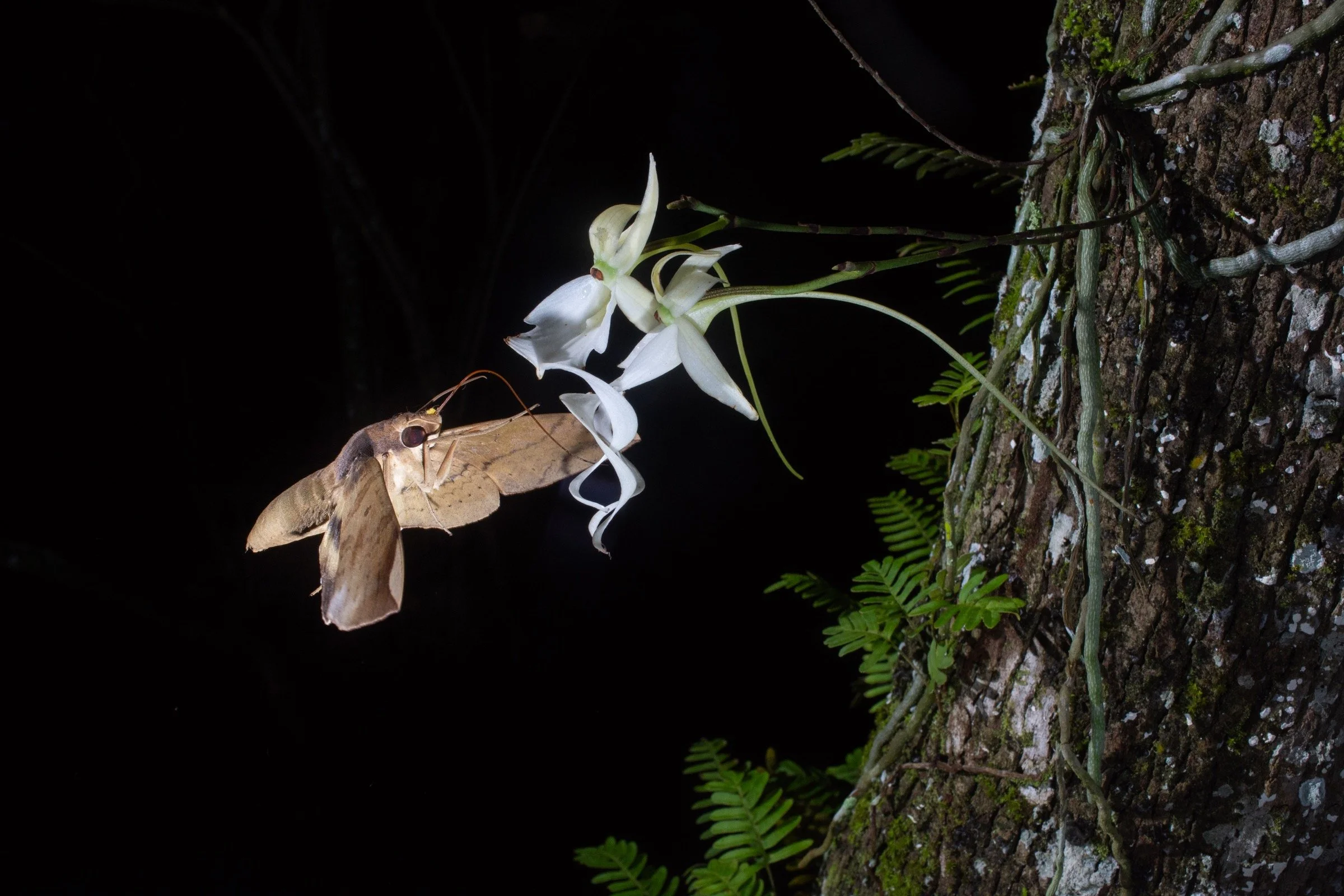
Chasing Ghosts - The Scientific Discovery Hiding in Plain Sight
For decades, one of the Everglades’ most elusive flowers held onto a mystery: what was pollinating the ghost orchid? Chasing Ghosts follows a team deep into the swamp, where looking a little closer leads to an unexpected scientific discovery.
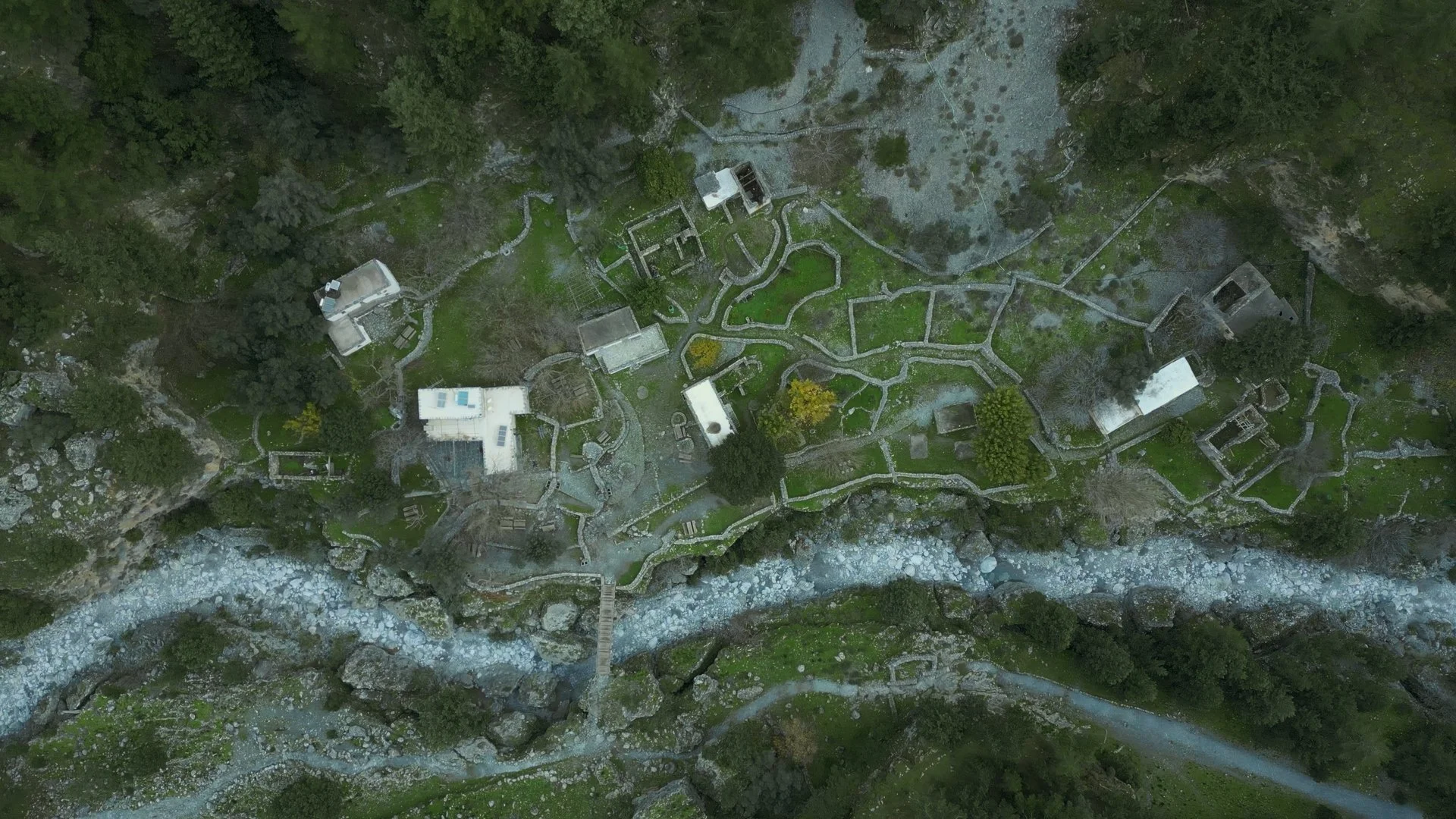
What Happens When We Protect a Place From the People Who Live There?
For centuries, local communities lived alongside the wild landscape of Samaria Gorge. Today, conservation, mass tourism, and commercialization are reshaping that relationship. This film tells the story of people removed from a landscape, and the negative impacts that overtourism can have.
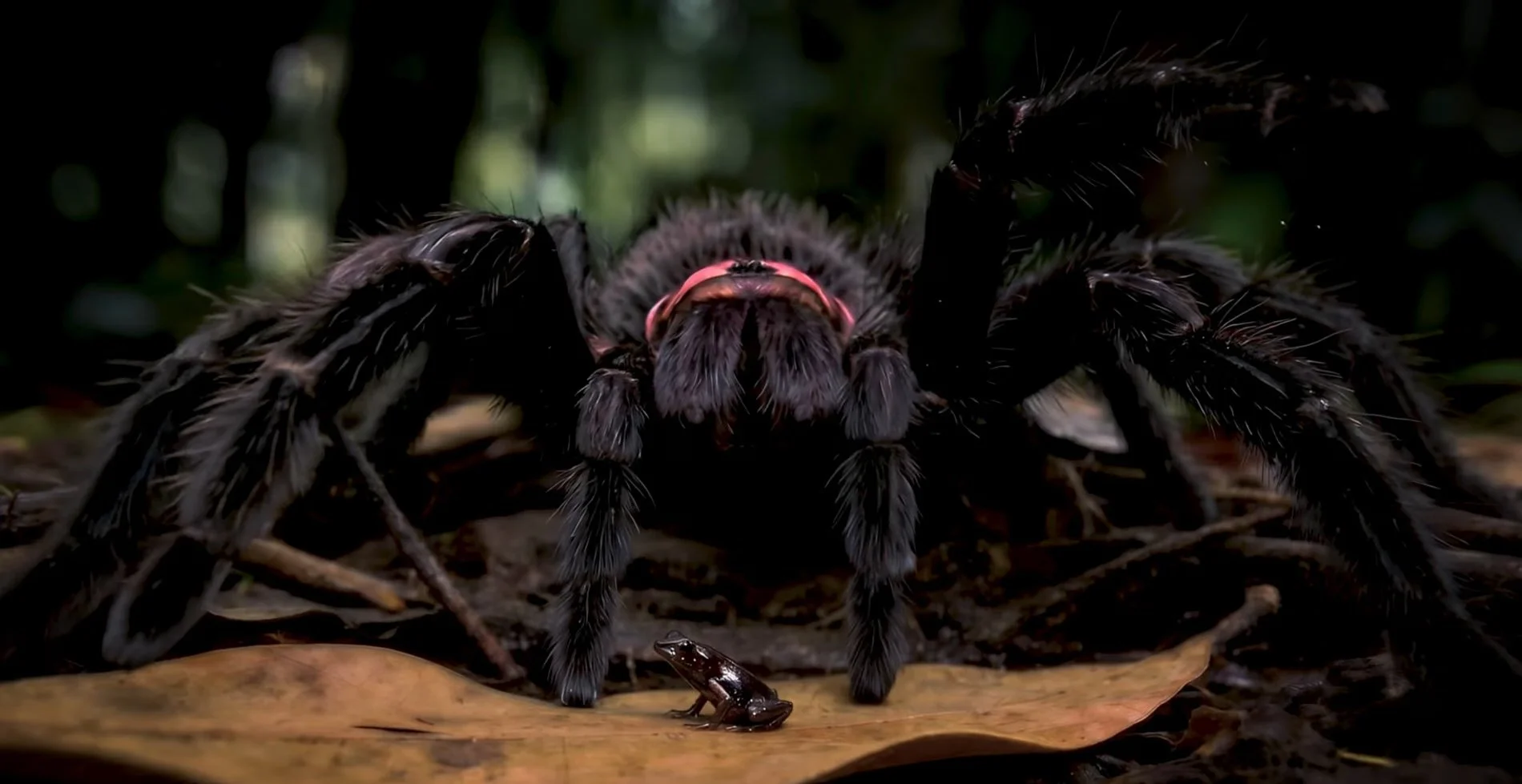
AI Can Create Nature Films. But Is It Still Documentary?
An AI-generated nature documentary has sparked a debate about the future of nonfiction filmmaking. As AI becomes part of documentary practice, the challenge is not choosing between technology and tradition, but preserving the values that have always defined the genre.
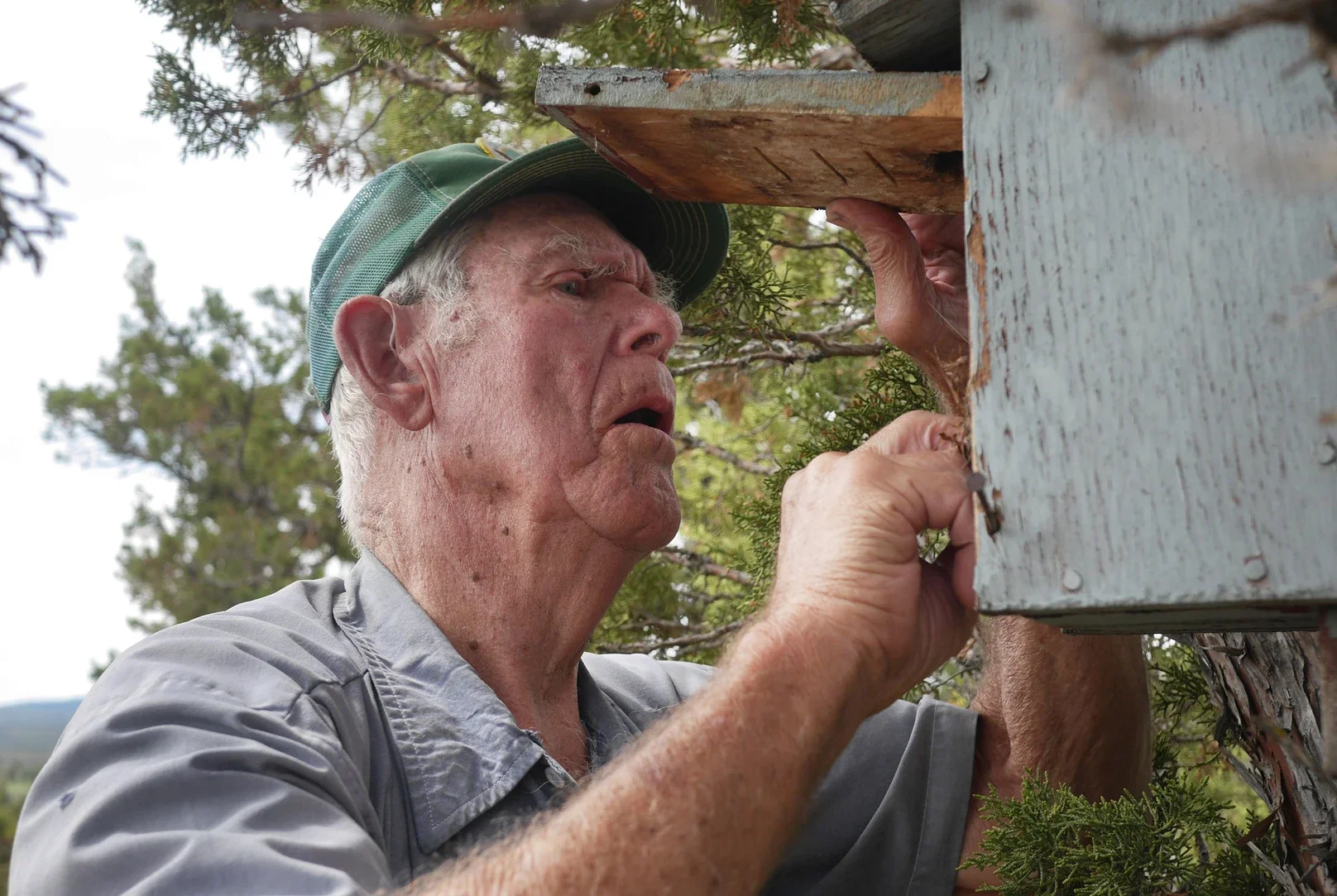
The True Story Behind Bluebird Man: How Ordinary People Helped Bring Bluebirds Back
Discover the remarkable conservation story behind Bluebird Man and learn how thousands of citizen scientists helped restore bluebird populations across North America.
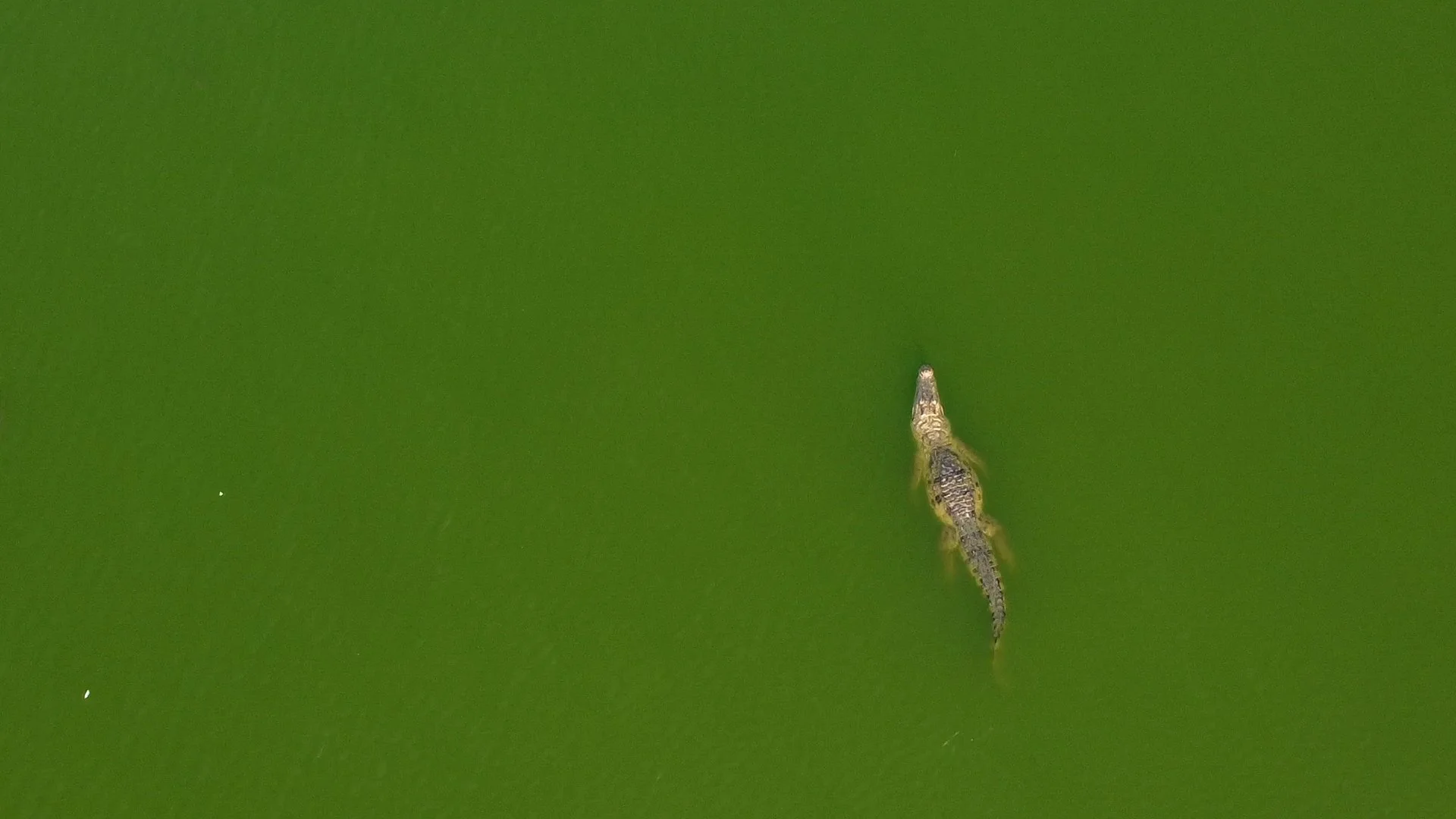
Coexistence with crocodiles - what makes Phir Bhi (Even So) stand out amongst wildlife films
I first saw the short documentary, Phir Bhi (Even So), while attending the International Wildlife Film Festival (IWFF) in Missoula, MT in the spring of 2025. Phir Bhi (Even So) stood out to me because it acknowledged the complexity and the nuance surrounding wildlife conflict issues. It’s hopeful, but realistic, and that’s an incredibly tricky balance to pull off in a wildlife documentary.
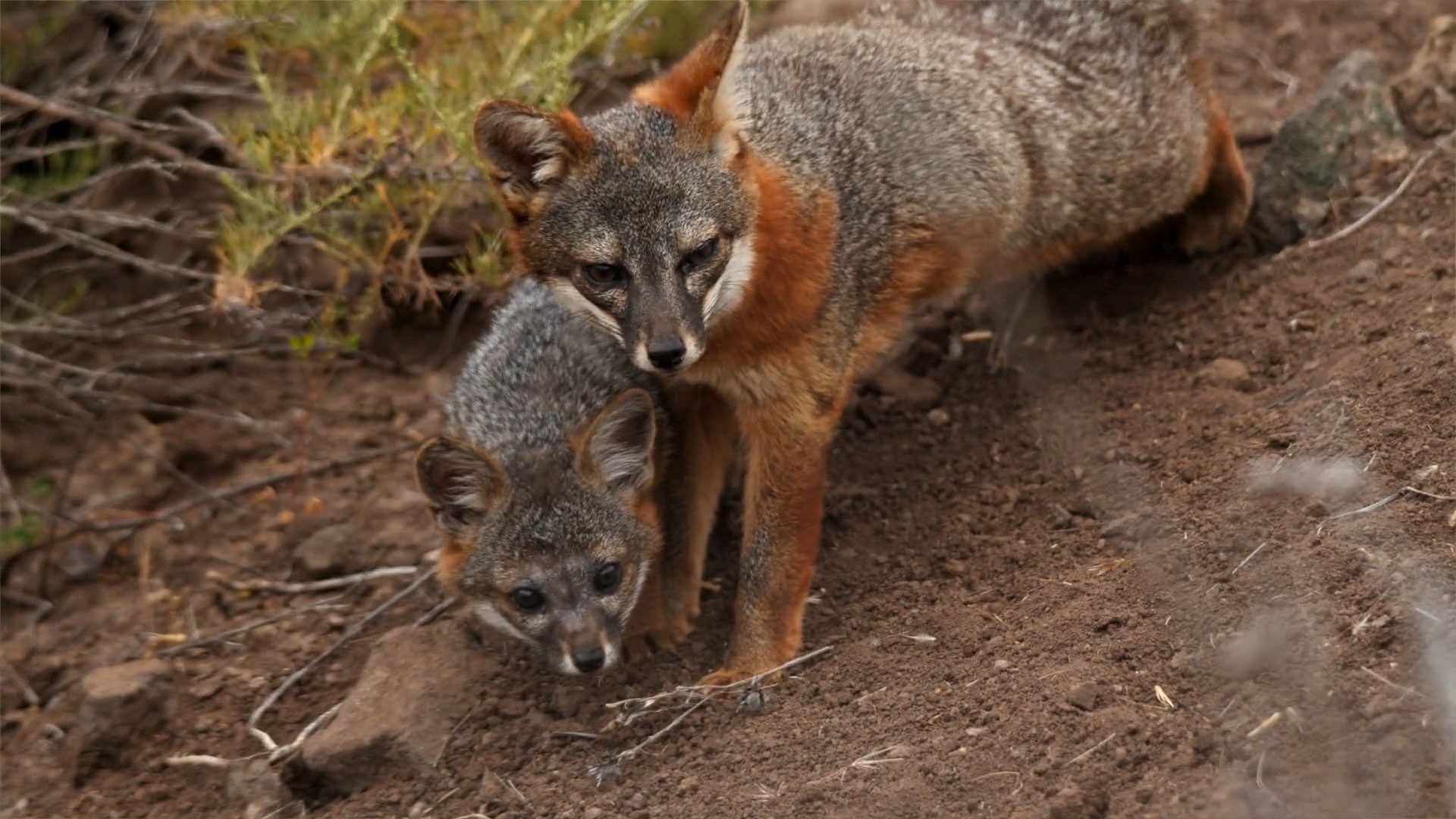
The Channel Island Fox: one of America’s Greatest COnservation COmebacks
The Channel Island Fox nearly disappeared from California’s Channel Islands in the span of a single decade. The Little Fox of Limuw examines the ecological collapse that drove its decline and the extraordinary conservation efforts that brought this unique species back from the brink.
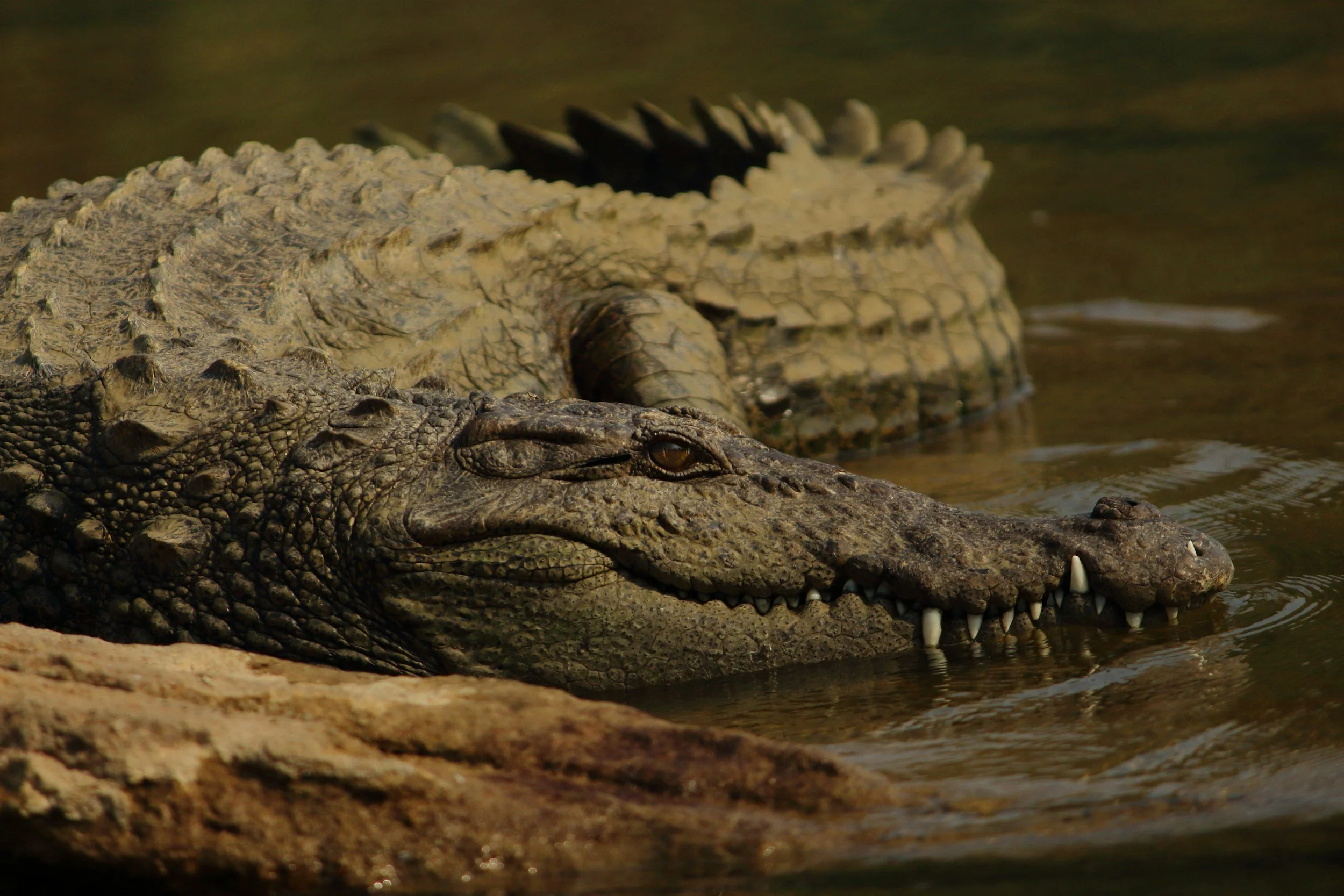
What PHIR BHI Reveals About wildlife coexistence
As human-wildlife conflict intensifies across the globe, PHIR BHI (EVEN SO) offers a rare and deeply hopeful story about coexistence. Set in Gujarat, India, the film explores how local communities live alongside mugger crocodiles, revealing the fragile relationships that allow humans and predators to share the same world.
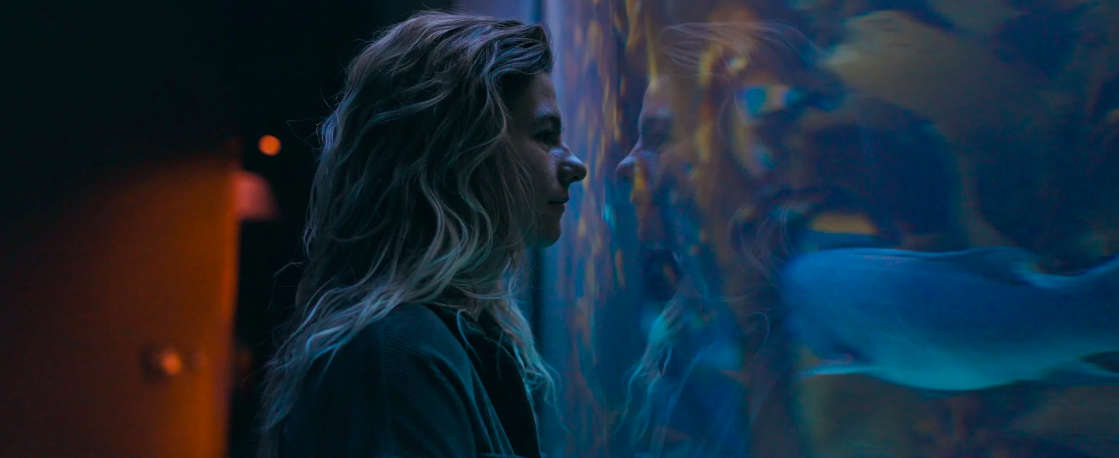
Why Diving for Rays Is the Film We Need Right Now
Diving for Rays follows Nicole Woodbyrne’s journey into marine conservation, revealing why LGBTQ representation in science matters now more than ever. As rights face renewed challenges, this film shows how visibility shapes who belongs—and who gets to dream of a future in science.
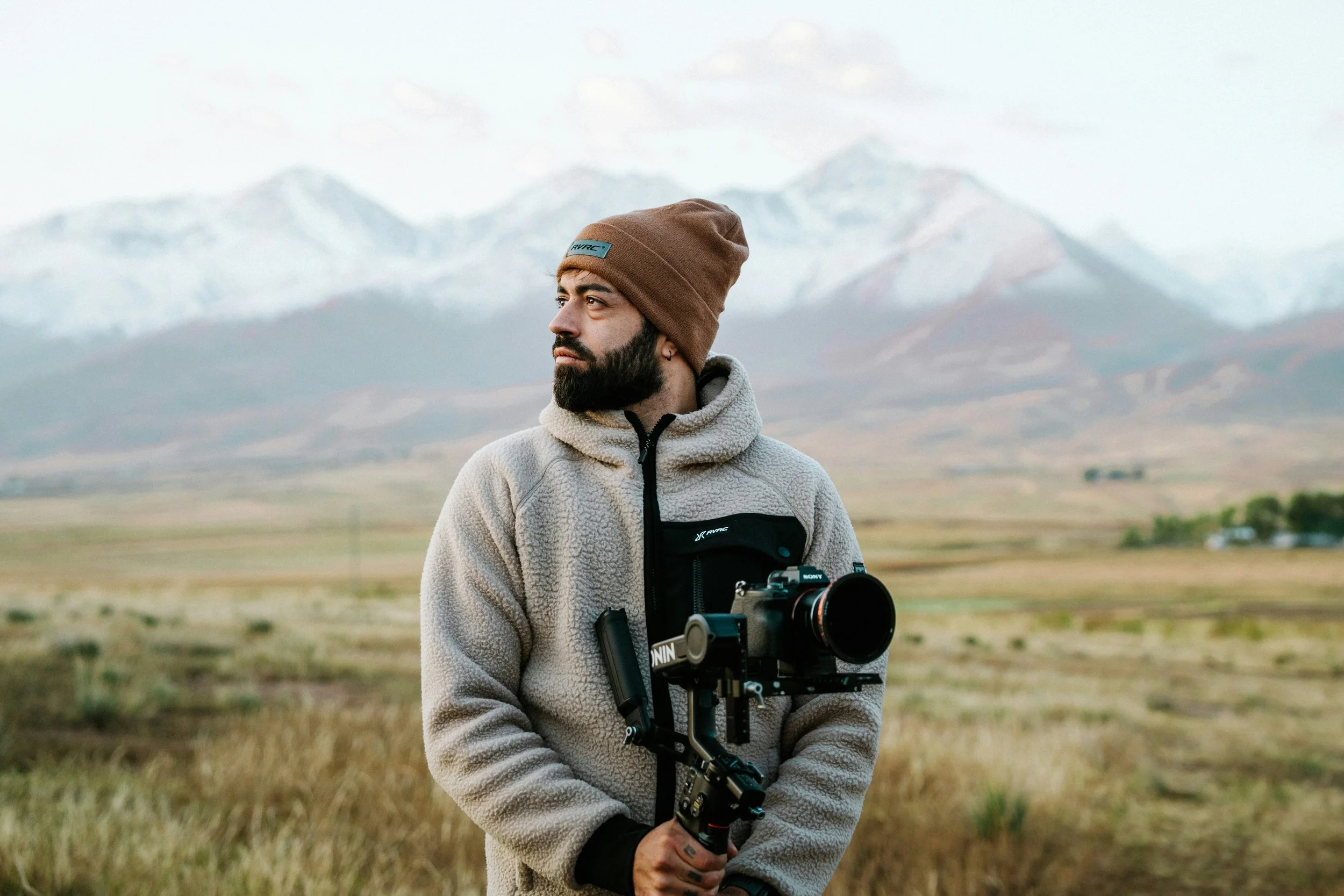
Done Waiting for Permission: A Filmmaker Manifesto
Documentary filmmakers are taught to wait—for festivals, distributors, and approval that may never come. But the tools to share your work already exist. Time to be done waiting and start building a new model for distribution—one rooted in ownership, audience, and collective momentum.