Why Yanuni is on YouTube: Richard Ladkani on Breaking the Rules of Film Distribution
After years of working with major streaming platforms, award-winning documentary filmmaker Richard Ladkani is taking a different approach. In an interview with Wild Commons, he discusses the making of YANUNI, his collaboration with Indigenous leader Juma Xipaya, and the unconventional distribution strategy behind one of the year’s most compelling independent documentary releases. From the challenges of filming in the Amazon to the decision to release the film for free on YouTube, Ladkani shares his perspective on the changing documentary industry and why reaching the right audience matters more than securing the biggest deal.
For documentary filmmakers, a distribution deal with Netflix or Disney+ has long represented a major achievement. The promise is enormous: global reach, financial backing, and the prestige of having a film featured alongside some of the industry’s most recognizable productions. But as the documentary market changes, filmmakers are beginning to question whether those opportunities necessarily translate into meaningful audiences.
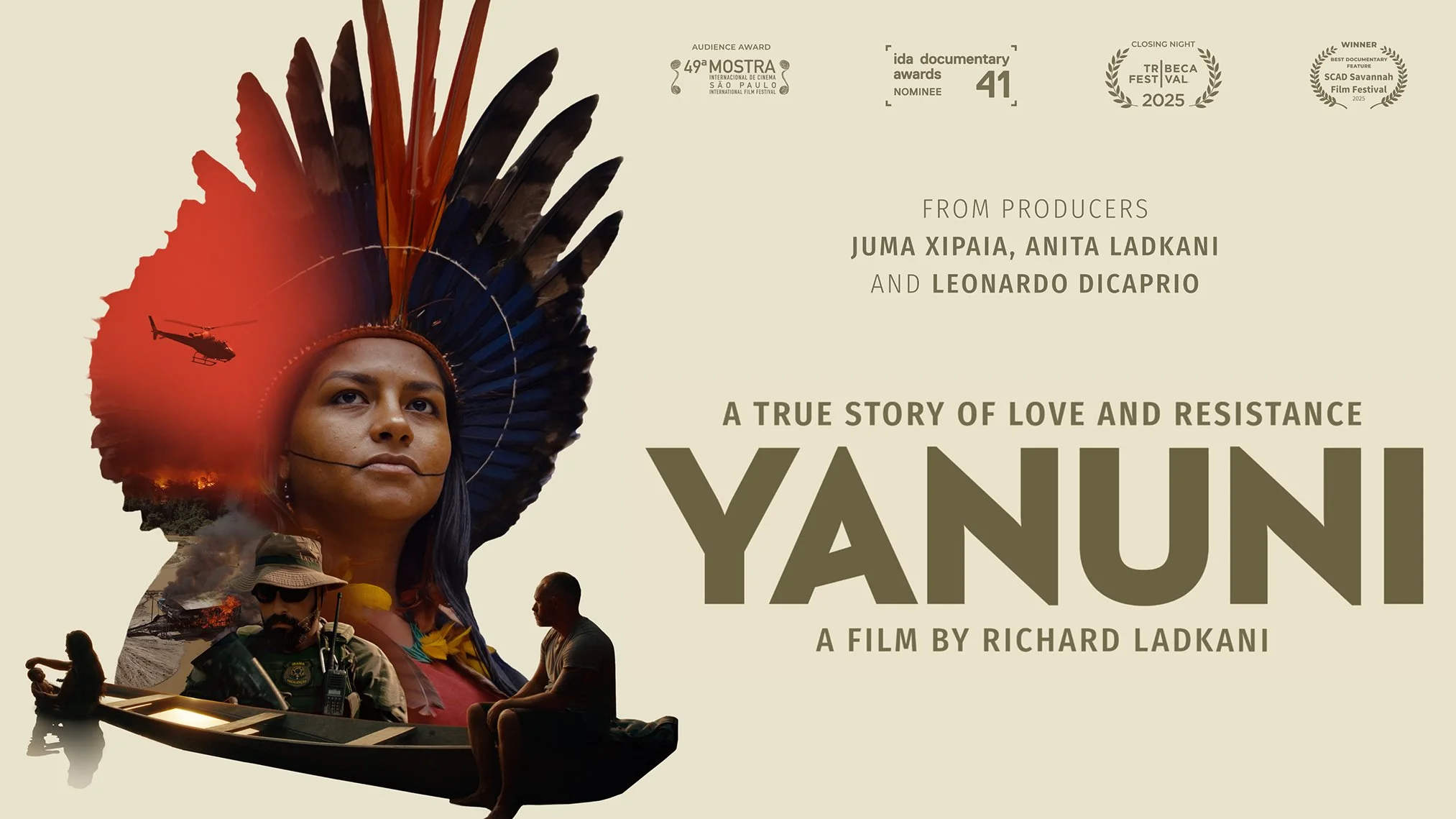
Richard Ladkani knows the traditional system well. His previous documentaries, The Ivory Game and Sea of Shadows, reached international audiences through major streaming platforms. His latest film, YANUNI, followed a different path. After a successful festival run, widespread recognition, and dozens of awards, Ladkani and his collaborators released the film for free on YouTube.
The decision was not a fallback. It was a deliberate strategy to ensure that the film reached the people who could do something with its message. In a conversation with Wild Commons, Ladkani reflects on the six-year journey behind YANUNI, the extraordinary relationship at its center, and what the film’s unconventional release might mean for the future of independent documentary filmmaking.
From the Territory to the World
The story of YANUNI began in 2019, when devastating fires in the Amazon were making international headlines. Ladkani had recently completed Sea of Shadows and was searching for his next project. As he began researching the environmental and political forces driving destruction in the Amazon, he became increasingly interested in the Indigenous communities resisting illegal land seizures, mining, and violence.
He was particularly struck by the leadership of Indigenous women. After months of research and conversations with journalists, investigators, and environmental organizations, he was introduced to Juma Xipaya, an Indigenous leader whose resistance had made her a target of repeated assassination attempts.
Their first conversation took place in March 2020. Ladkani immediately recognized the possibility of a remarkable film, but earning Juma’s trust would require an entirely different approach to documentary production. When Juma expressed concern that their translator could compromise her security, Ladkani began learning Portuguese so they could communicate directly. He also committed to building security protections into the film’s budget and offered Juma a producer role with meaningful authority over how her story would be told.
Rather than constructing a conventional documentary around outside experts and explanatory interviews, Ladkani wanted Juma’s own experiences and conversations to carry the narrative. He understood that, as a European filmmaker documenting an Indigenous struggle, he needed to be particularly conscious of whose perspective would shape the finished film.
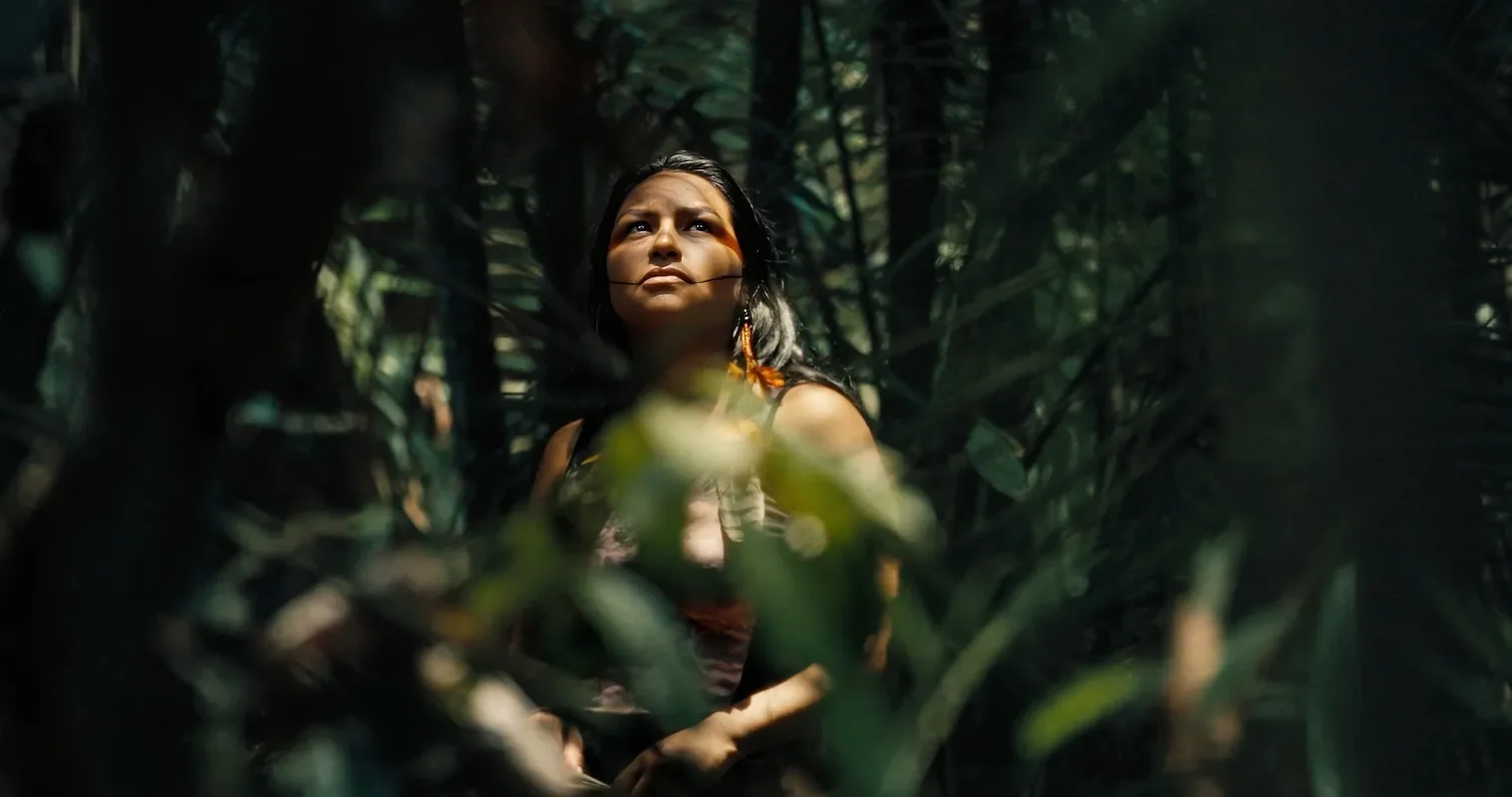
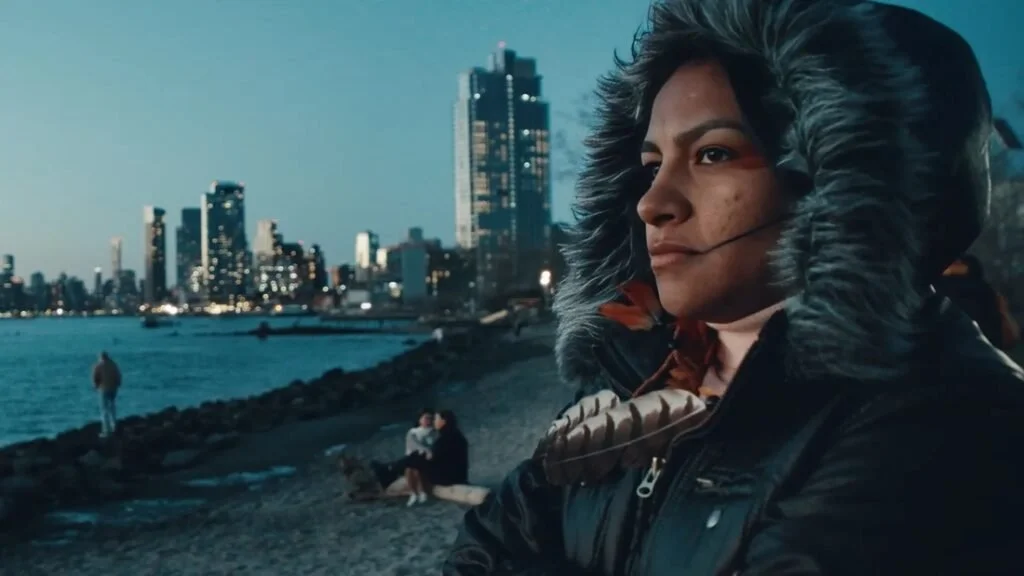
The resulting documentary follows Juma through extraordinary political upheaval and deeply personal moments. Over several years of filming, Ladkani captured her transition from an activist living under threat to a government official working within the political system she had spent years challenging. Alongside these developments, the film explores her marriage, family, pregnancy, and the personal sacrifices that accompany a life devoted to protecting the Amazon.
For Ladkani, these intimate moments were essential to making the larger environmental struggle accessible to audiences far removed from the region. Rather than presenting Juma as an uncomplicated hero, he wanted viewers to understand the full complexity of her life.
The filmmaking process was similarly intimate. Ladkani frequently worked alone, operating the camera and recording sound himself to maintain a small footprint within Juma’s family and community. The production continued for nearly four years, allowing events to unfold without staged scenes or predetermined outcomes. Throughout the process, Juma returned to a guiding principle for the film: it should travel from the territory to the world.
That ambition would ultimately shape not only how YANUNI was made, but how it was released.
Why a Major Streaming Deal Wasn’t the Goal
By conventional measures, YANUNI had the credentials of a documentary destined for a major streaming platform. It premiered at Tribeca, traveled to more than 100 film festivals, and accumulated nearly 40 awards by the time of our conversation. Leonardo DiCaprio was among its producers, and the film had attracted substantial support from organizations and individuals committed to protecting the Amazon.
Yet as the team considered distribution, they faced a fundamental question: Would a streaming deal actually deliver the audience they needed?
The film’s investors had supported the project primarily because they wanted to advance Indigenous rights and conservation in the Amazon. For Ladkani, success therefore depends on reaching audiences in Brazil, including communities that might not have access to paid streaming subscriptions. Netflix offers a potentially large audience, but subscription costs remain a barrier for many of the communities closest to the film’s subject. Disney+ and other streaming services present similar concerns.
Even a prominent international release could leave the people most directly affected by the story unable to watch it.
At the same time, Ladkani describes significant changes in the documentary marketplace. He points to a growing reluctance among major distributors to acquire films addressing environmental destruction, climate change, and politically sensitive social issues. In his view, streamers are increasingly prioritizing safer commercial categories such as sports, true crime, and entertainment.
He challenges the assumption that declining acquisition interest reflects a lack of public appetite for important environmental stories. “Just because they’re not putting it on their network doesn’t mean there’s not an audience,” Ladkani argues. “That’s crazy! There’s still a huge audience, but how do you get to that audience?”
“Just because they’re not putting it on their network doesn’t mean there’s not an audience. There’s still a huge audience, but how do you get to that audience? How do you find the people and get them to see what they crave?”
-Yanuni director richard ladkani
The filmmakers had begun considering YouTube even before completing the edit. The platform offered something that a traditional streaming deal could not necessarily guarantee: free access, international availability, and greater control over how the film could be used.
That control is particularly important for a documentary intended to influence public conversations and support conservation efforts. Ladkani wants the freedom to organize screenings, participate in political and environmental discussions, collaborate with advocacy organizations, and circulate excerpts of the film as events unfold.
He is also careful to correct a misconception that has emerged around the release. The decision to distribute YANUNI independently is not evidence that the film was rejected by major streamers. The filmmakers evaluated their options and concluded that YouTube offered the best opportunity to achieve their goals.
The distinction matters. For decades, documentary distribution has largely been organized around securing access to established gatekeepers. YANUNI suggests that filmmakers with the right resources, partnerships, and objectives may increasingly choose to build their own pathways to audiences instead.
YouTube Is Free. Reaching an Audience Isn’t.
One of the most important lessons from YANUNI is that making a film freely available does not automatically make it widely watched.
Ladkani is emphatic about the resources required to make an independent release successful. The filmmakers invested heavily in publicity, social media, influencer partnerships, and a coordinated impact campaign. Organizations including Earth Alliance and Age of Union helped support a strategy designed to extend the film’s reach well beyond traditional documentary audiences.
The team selected September 5th, Amazon Day, for the YouTube premiere, positioning the release around an important moment in Brazil’s political calendar. They also coordinated appearances and events around Climate Week in New York, international environmental gatherings, and other opportunities to bring the film into public discussion. Leonardo DiCaprio’s substantial social media following provided another powerful means of introducing the documentary to new audiences.
The results are significant. At the time of our interview, YANUNI had surpassed 6.7 million YouTube views. Today, it’s over 10 million views. The film is also generating philanthropic support for Juma’s work and circulating widely in Brazilian political conversations.
For Ladkani, these outcomes represent a more meaningful measure of success than the prestige of a streaming acquisition.
But he does not suggest that every independent filmmaker can replicate the scale of YANUNI’s campaign. The production benefited from an unusually strong network of partners, experienced communications professionals, philanthropic investors, and high-profile supporters. Instead, his advice to filmmakers is to begin thinking about distribution much earlier in the creative process. “You have to think to the end,” Ladkani explains. “It can’t be like, oh, we release it at that festival and then we see who buys it and that’s the end of the story. You need to think, how do you get it to the people?”
“You have to think to the end. It can’t be like, oh, we release it at that festival and then we see who buys it and that’s the end of the story. you need to think, how do you get it to the people?”
-Yanuni director richard ladkani
Rather than waiting until a film premieres at a festival to consider its future, Ladkani encourages filmmakers to establish what success looks like with their investors and collaborators. For projects funded primarily to advance conservation or social change, the strategy for reaching audiences should be part of the original financing plan.
That might mean reserving money for distribution and audience development, building relationships with advocacy organizations during production, or considering a direct-to-audience release from the outset.
It also requires recognizing that different films have different goals. A commercial documentary designed to generate revenue may benefit enormously from a traditional licensing agreement. A film intended to change public attitudes, influence policy, or support communities may need a different model.
The important question is whether the chosen distribution strategy actually serves the purpose of the film.
Rethinking What Success Looks Like
One of the most interesting aspects of YANUNI’s journey is how closely its distribution strategy reflects the values behind its production.
Ladkani spent years building a filmmaking relationship in which Juma was not simply the subject of an outsider’s documentary, but an active collaborator with authority over her own story. Making the finished film inaccessible to the communities it represented would have undermined that commitment.
By releasing YANUNI freely and supporting it with an ambitious outreach campaign, the filmmakers seek to fulfill both halves of Juma’s original vision: a film created from the territory, shared with the world.
There is a broader lesson here for independent nature and environmental filmmakers. The documentary industry has traditionally placed enormous value on festival premieres, awards, broadcaster relationships, and streaming acquisitions. These milestones can be important, but they are not necessarily the endpoint of a film’s public life.
A documentary can win prestigious awards and still struggle to reach the communities it was made to serve. Conversely, a film released on a free platform can find millions of viewers, generate meaningful public discussion, and become a resource for organizations working on the issues it explores.
None of this means traditional distribution has lost its value. Broadcasters and streaming platforms continue to finance ambitious productions and introduce audiences to extraordinary stories. But the success of YANUNI demonstrates why filmmakers should have more than one model available to them.
For a growing number of independent filmmakers, the question is shifting from where a film can be sold to where it can have the greatest impact.
Ultimately, the success of a documentary should be measured not by where it lands, but by how far it reaches.
Watch the Interview
Why Yanuni Is on YouTube: Breaking the Rules of Film Distribution | Richard Ladkani
Watch our full conversation with award-winning documentary filmmaker Richard Ladkani about the making of YANUNI, his collaboration with Indigenous leader Juma Xipaya, and the unconventional distribution strategy behind one of the year’s most compelling independent documentary releases. From the challenges of filming in the Amazon to the decision to release the film for free on YouTube, Ladkani shares his perspective on the changing documentary industry and what it takes to bring important stories to audiences around the world.