9 Nature Documentaries That Broke the Mold
Nature documentaries have developed a codified visual language: Epic landscapes. Rare wildlife behavior. An animal on a journey to find food, find a mate, or find its way home. Watch enough of them and you begin to recognize the rhythms (and species).
But every once in a while, someone breaks the mold. They borrow from thrillers, romance, comedy, and horror. They experiment with scale, sound, and cinematography. They find humor in unexpected places or build a film so strange and singular that the boundaries of the genre start to disappear.
That experimentation matters. Conventional nature films attract conventional nature audiences. And on a planet facing a biodiversity and climate crisis, we cannot afford to keep telling environmental stories inside the same echo chamber. If we want these stories to travel further, we have to give people more ways into the conversation.
That is the promise of experimentation. New voices and new storytelling approaches attract new audiences. And right now, we need all the nature advocates we can get.
So here are nine of our favorite films that push nature storytelling into new spaces and styles. At Wild Commons, these are the kinds of films we aspire to make and share: stories that stretch the boundaries of the genre while building a bigger, broader community committed to protecting people and the planet.
1. My Octopus Teacher (2020)
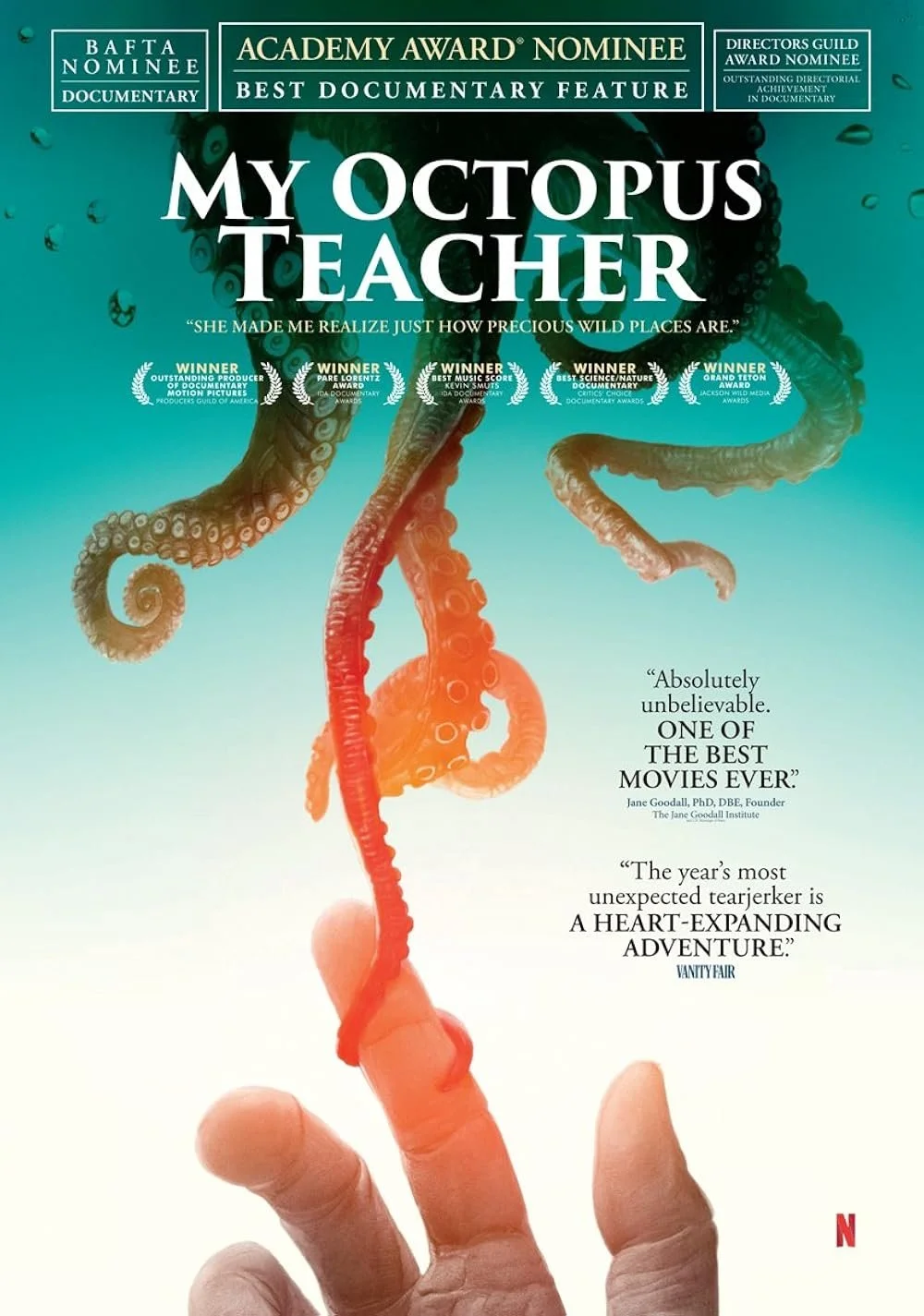
An unexpectedly emotional dive into friendship with a wild octopus. Winner of the Academy Award for Best Documentary.
Where to watch: Netflix
In the kelp forests off Cape Town, South Africa, filmmaker Craig Foster begins visiting the same wild octopus every day. What starts as observation slowly becomes something far more intimate. Over the course of nearly a year, Foster follows her as she hunts, hides from predators, recovers from injury, and eventually allows him into her world. The result is part natural history film, part memoir, and part unlikely love story between a human and a wild animal.
How it broke the mold
My Octopus Teacher made the filmmaker’s emotional experience inseparable from the natural history unfolding on screen. Rather than an all-knowing narrator explaining an animal’s life from a comfortable distance, Foster is vulnerable, subjective, and very much part of the story.
The octopus is still allowed to be wild, but our way into her world is through one person’s growing attachment to her. It borrowed the emotional machinery of a relationship film and applied it to a nature documentary, proving that wildlife could carry a deeply personal story without losing the wonder of watching an animal simply be an animal.
2. Nuisance Bear (2026)
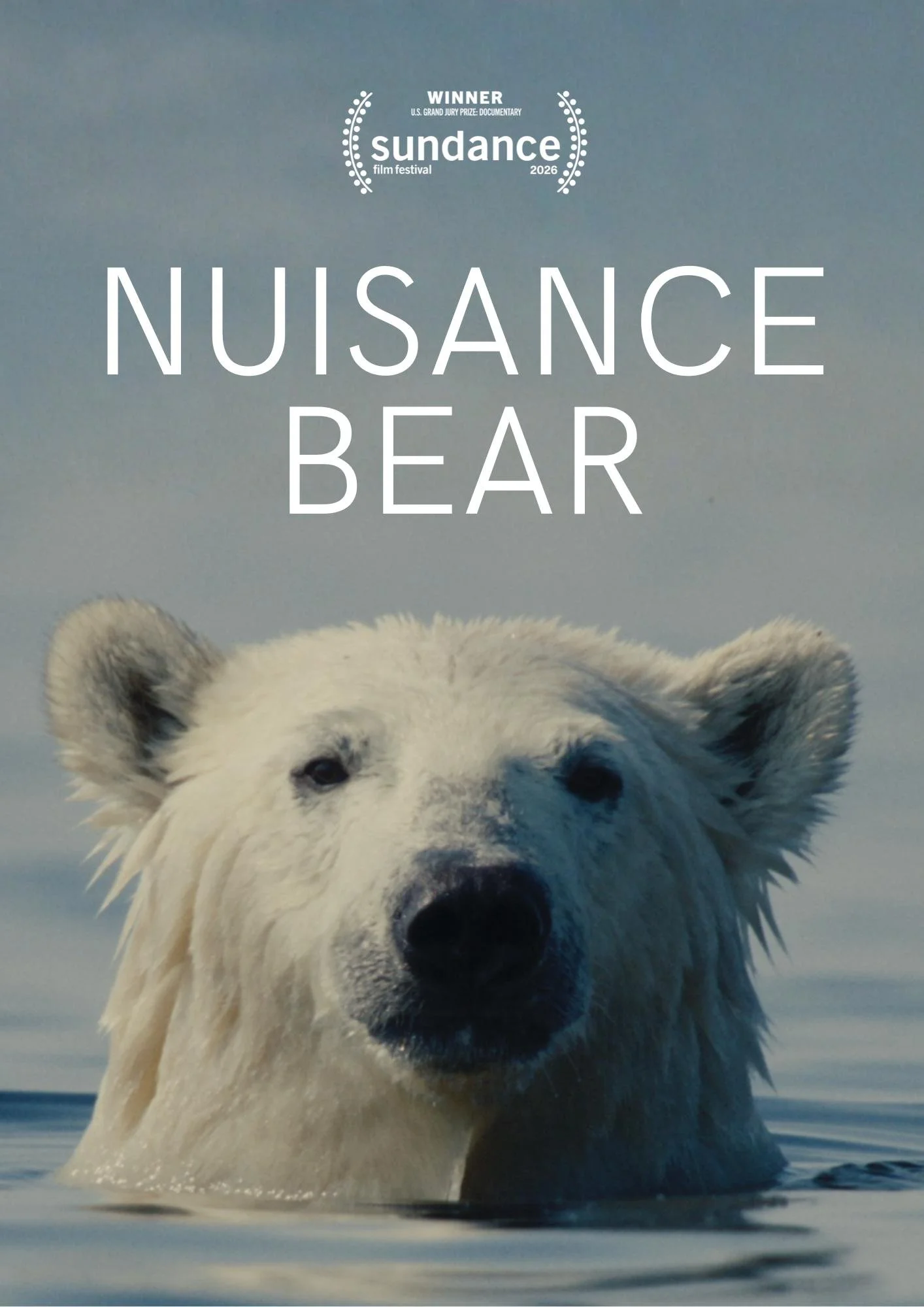
A polar bear documentary that flips the traditional nature film, turning wildlife from spectacle into active participants navigating a world increasingly controlled by humans. Winner of the U.S. Documentary Grand Jury Prize at Sundance.
Where to watch: Currently on the festival circuit
Churchill, Manitoba, is famous for polar bears. Every year, the bears move through the region as part of an ancient migration along Hudson Bay, encountering a thoroughly modern landscape of tourists, cameras, vehicles, wildlife officers, hunters, and a town built in part around our fascination with seeing them.
Nuisance Bear, directed by Gabriela Osio Vanden and Jack Weisman, flips the familiar perspective. Instead of watching polar bears from the comfortable position of the wildlife observer, we move through this landscape alongside them. Humans become the strange animals crowding roadsides, pointing cameras, controlling movement, and deciding when another species has crossed an invisible boundary. As climate change alters conditions in the Arctic and bears spend more time navigating human spaces, the question embedded in the film’s title becomes increasingly complicated: who, exactly, is the nuisance?
How it broke the mold
Nuisance Bear takes one of the most photographed animals on Earth and changes who gets to do the looking.
That shift in perspective transforms familiar wildlife imagery into something much stranger. Tourists become paparazzi. Conservation infrastructure becomes an obstacle course. The human systems designed to observe, manage, protect, and control wildlife suddenly look very different when experienced from the other side.
It is a deceptively simple filmmaking choice with enormous consequences. Instead of inviting us to gaze at a charismatic animal, Nuisance Bear makes us conscious of the gaze itself. The polar bear is no longer performing for the nature documentary. We are the ones who have wandered into the frame.
3. Leviathan (2012)
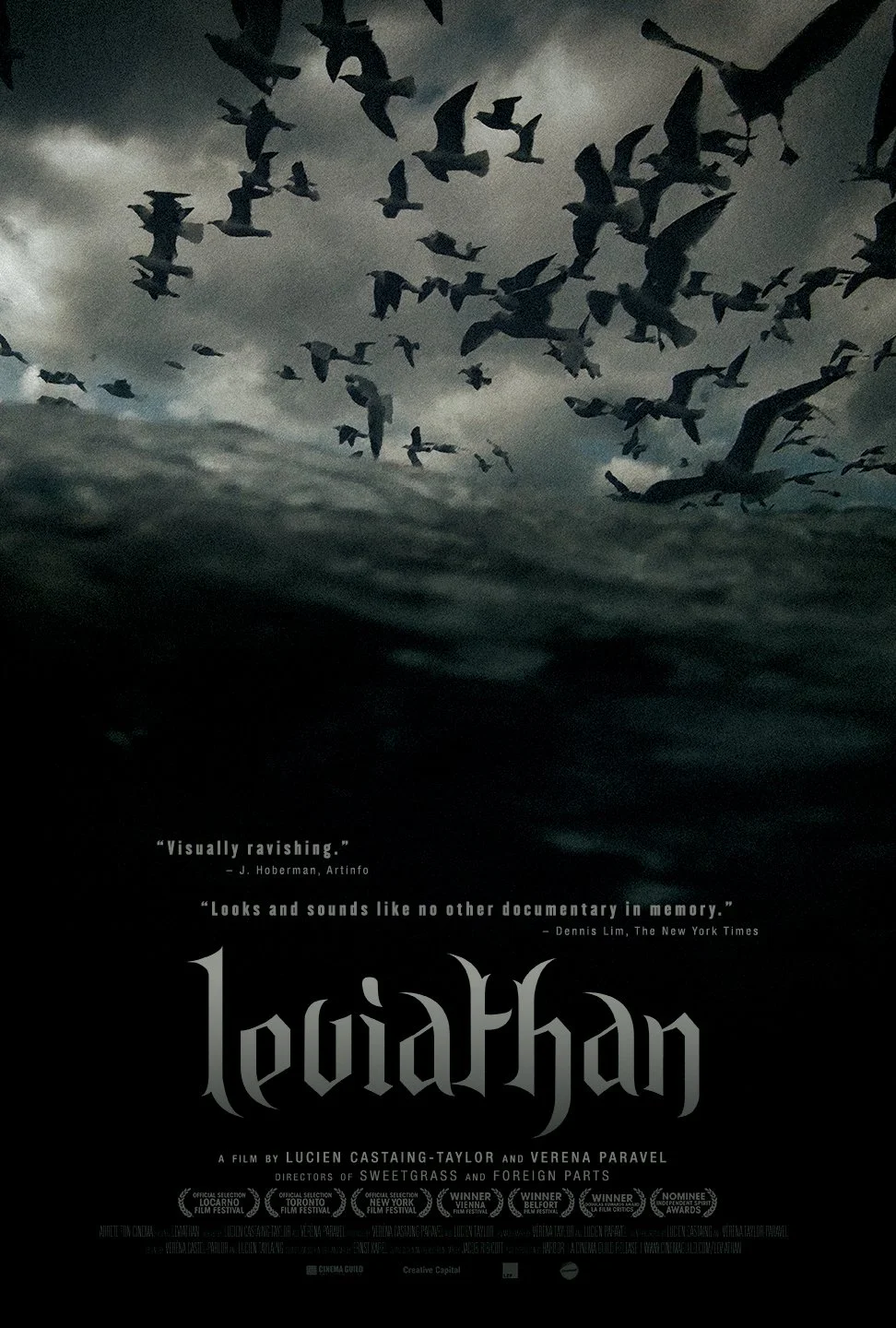
A commercial fishing documentary that feels more like experimental horror. Winner of the FIPRESCI Prize at the Locarno Film Festival.
Where to watch: Criterion Channel
There are fishing documentaries, and then there is Leviathan. Filmmakers Lucien Castaing-Taylor and Véréna Paravel take us aboard a commercial fishing vessel off the coast of New Bedford, Massachusetts, but offer almost none of the usual guidance for what we are about to see. There is no narrator, no talking-head interview, and very little conventional dialogue.
Instead, cameras tumble across the deck, plunge beneath the ocean, skim the surface of the water, and hang alongside fishermen as they haul and process their catch. Humans, fish, seabirds, machinery, blood, waves, and darkness collide until commercial fishing begins to feel less like a subject being documented and more like a strange world we have been dropped inside.
How it broke the mold
Leviathan borrowed the machinery of experimental cinema and applied it to natural history. Rather than explain the relationship between humans and the ocean, it asks us to physically experience it.
Tiny waterproof cameras freed the filmmakers from the human point of view, moving above and below the water and creating perspectives that sometimes seem to belong to a fish, a seabird, the ship itself, or no recognizable creature at all. The result is disorienting, beautiful, occasionally horrifying, and almost completely uninterested in telling us what to think. It is a reminder that a nature documentary does not always need to interpret the natural world for us. Sometimes it can simply throw us into it.
4. Cane Toads: The Conquest (2010)
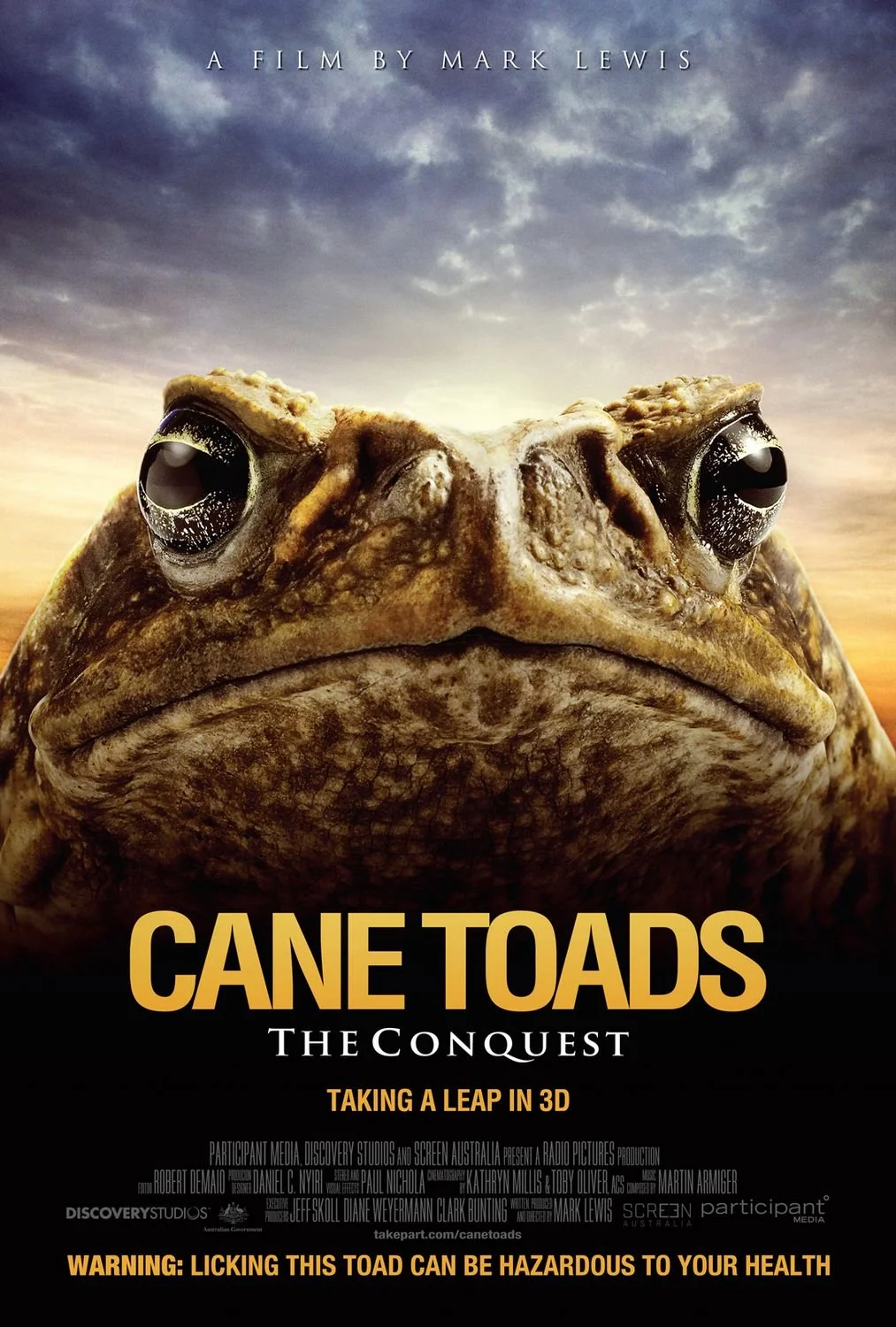
An invasive-species documentary with the deadpan soul of a mockumentary. A very serious film about a very ridiculous toad.
Where to watch: Available to rent or buy on select streaming platforms
In 1935, cane toads were introduced to Australia in an attempt to control beetles damaging Queensland’s sugarcane fields. The beetles remained largely unimpressed. The toads, meanwhile, found Australia very much to their liking. They multiplied, spread across the continent, poisoned native predators, and became one of the country’s most notorious invasive species.
That history could easily become a grim ecological cautionary tale. Director Mark Lewis chooses another route. Cane Toads: The Conquest follows the invasion through the wonderfully strange relationships Australians have developed with the animals: people who hate them, people who love them, people who collect them, and people who have devised creative methods for killing them. All the while, the toads themselves march steadily onward.
How it broke the mold
Cane Toads: The Conquest borrows the machinery of the mockumentary without ever actually becoming one. The people are real. The ecological problem is real. But Lewis treats both with such meticulous deadpan seriousness that the film frequently feels like someone has slipped a Christopher Guest movie into a wildlife documentary.
That humor changes the way the science lands. Instead of presenting invasive species as an ecological lesson to be absorbed, the film gives us absurdity, personality, visual gags, and some extremely charismatic toads. It is funny without treating its subject as trivial, and scientifically meaningful without becoming solemn.
Perhaps most importantly, the toads are never cast simply as villains. They are animals doing exactly what animals do when humans put them somewhere they thrive. The joke, more often than not, is on us.
5. Sea of Shadows (2019)
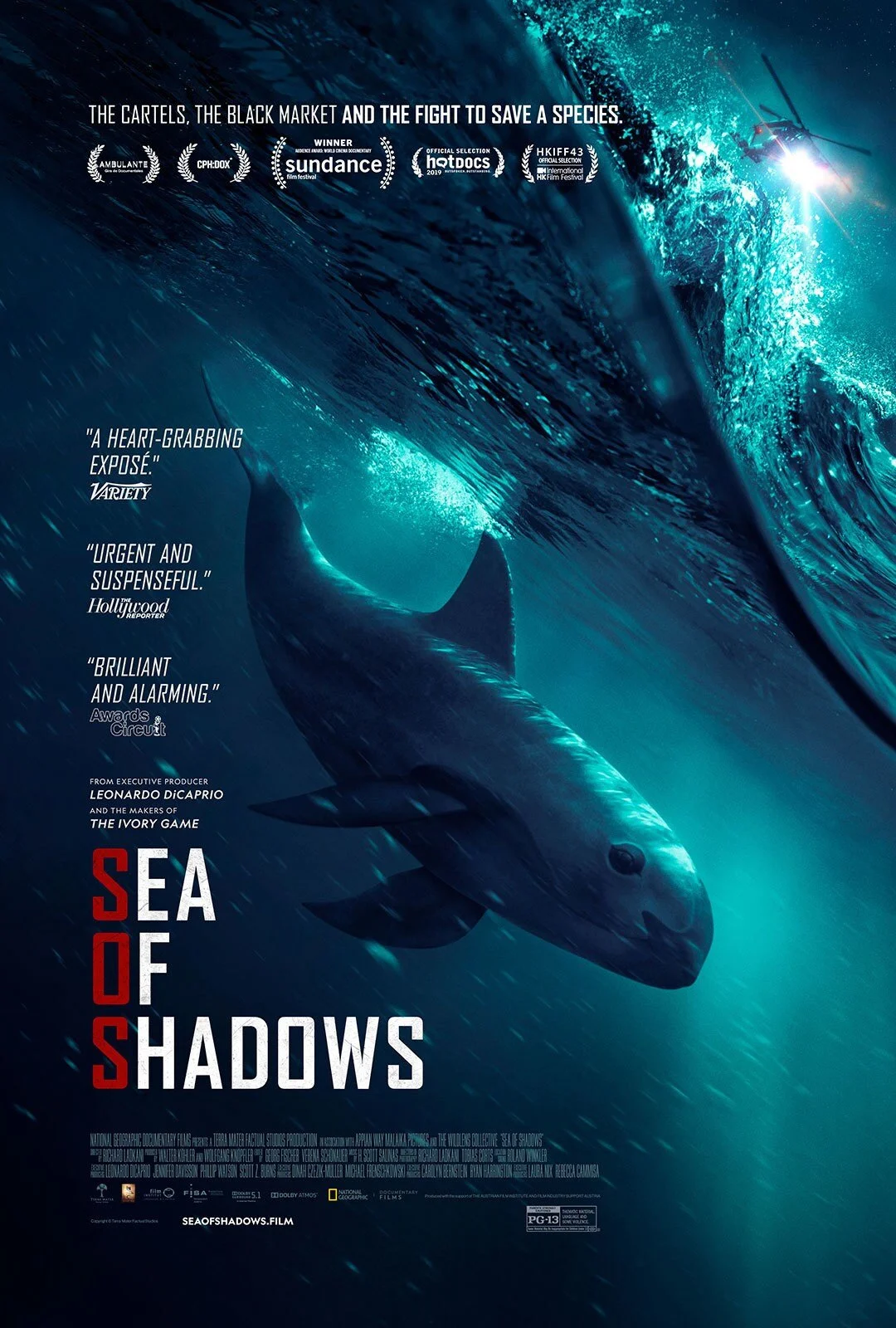
A wildlife conservation story told with the pulse of a Hollywood crime thriller. Winner of the World Cinema Documentary Audience Award at Sundance.
Where to watch: Disney+
The vaquita is the smallest cetacean in the world and one of the most endangered. But Sea of Shadows is not really structured like a film about an endangered species. Instead, director Richard Ladkani drops us into an international criminal investigation involving Mexican drug cartels, Chinese traffickers, illegal fishing, undercover investigators, journalists, scientists, conservationists, and the Mexican Navy.
At the center of it all is the totoaba, a fish whose highly valuable swim bladder has fueled an illegal trade in the Sea of Cortez. Gillnets set to catch totoaba also entangle vaquitas, pushing an already tiny population toward extinction. The film follows the people trying to expose the trade and protect the remaining animals, moving between undercover operations, nighttime pursuits, scientific missions, and increasingly dangerous confrontations on the water.
How it broke the mold
Sea of Shadows borrowed the machinery of a crime thriller and applied it to wildlife conservation. There are cartels, informants, surveillance operations, boat chases, hidden cameras, and genuine danger. The threat of extinction provides the ticking clock.
That choice does something important. Instead of asking audiences to care about the vaquita before the story begins, the film first gives us a mystery, a criminal enterprise, and a group of people racing to stop it. Conservation becomes the engine of a thriller rather than the lesson at the end of a nature documentary. By the time we understand just how precarious the vaquita’s future has become, we are already invested in what happens next.
6. Fire of Love (2022)
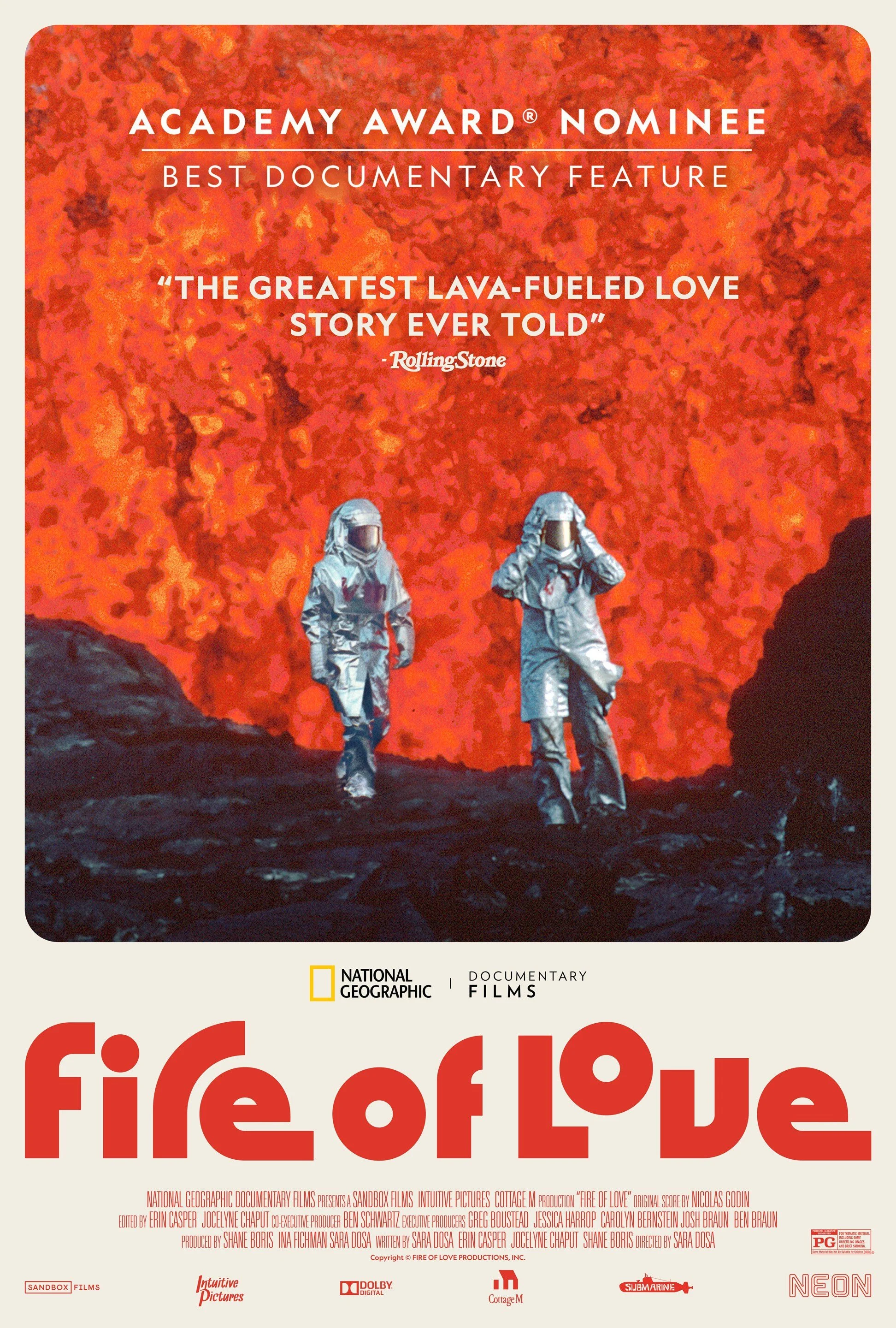
A love story about two volcanologists who spent their lives chasing eruptions. Nominated for the Academy Award for Best Documentary Feature.
Where to watch: Disney+
Katia and Maurice Krafft fell in love with two things: volcanoes and each other. For decades, the French volcanologists traveled the world together, getting astonishingly close to eruptions to study, photograph, and film them. They were scientists, filmmakers, adventurers, and obsessive collectors of images from places most people would instinctively run away from.
Director Sara Dosa builds Fire of Love largely from the extraordinary archive the Kraffts left behind. Against glowing rivers of lava and enormous clouds of ash, we watch two people build a marriage around a shared fascination with the planet at its most volatile. Their footage is spectacular, but it is the relationship behind the camera that gives the film its heart. We know from the beginning that Katia and Maurice will eventually die together during an eruption, giving even their most joyful adventures an undercurrent of tragedy.
How it broke the mold
Fire of Love borrowed the machinery of a romance and applied it to a story about science. Volcanoes are not simply the subject of the film. They are the thing that brings two people together, shapes their marriage, fuels their disagreements, and ultimately determines how their story ends.
That framing turns archival scientific footage into something unexpectedly intimate. We are watching eruptions, but we are also watching the record of a life two people built together. Science becomes obsession, adventure, vocation, and love story all at once. Fire of Love reminds us that stories about the natural world do not have to separate the people doing the looking from the things they are trying to understand.
7. The Truffle Hunters (2020)
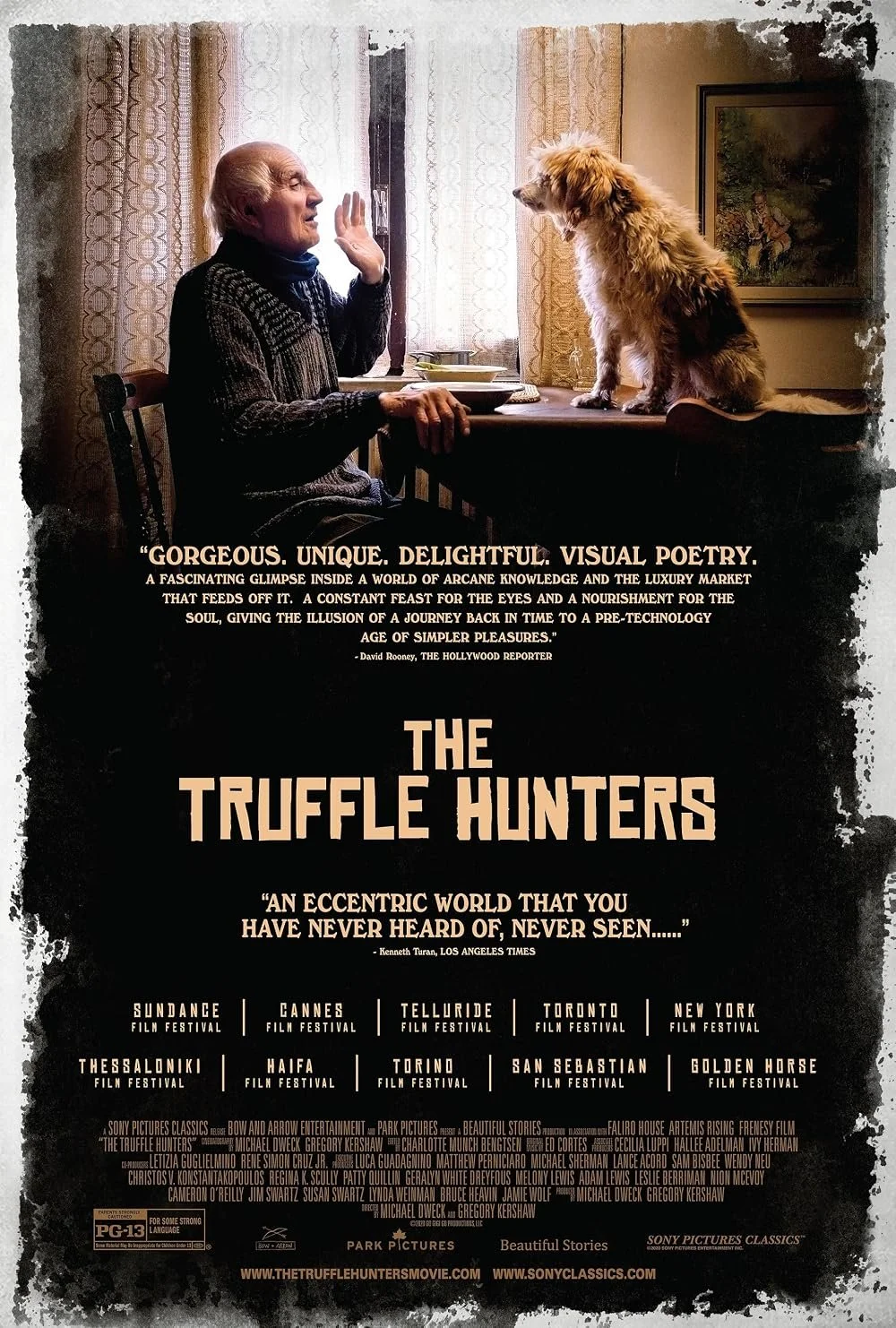
Old men, extraordinary dogs, secret forests, and some of the most meticulously composed frames in documentary filmmaking.
Where to watch: Available to rent or buy on major streaming platforms
Deep in the forests of northern Italy, a small group of elderly men hunt for the rare Alba white truffle with the help of dogs trained to sniff them out beneath the soil. The truffles can command astonishing prices, yet the people who find them operate within a world of secret patches, hand-drawn knowledge, longstanding rivalries, and traditions passed quietly from one generation to the next.
Directors Michael Dweck and Gregory Kershaw follow these hunters, and their extremely enthusiastic dogs, through forests, kitchens, auctions, and homes. The film is warm, eccentric, and often very funny, but what immediately sets it apart is how it looks. Scenes unfold in carefully constructed wide shots that resemble paintings more than conventional documentary coverage. Even the dogs occasionally get behind the camera, thanks to specially mounted cameras that send us crashing through the forest at truffle-hunting height.
How it broke the mold
The Truffle Hunters borrows the visual machinery of storybook cinema and applies it to documentary.
Rather than chase every moment with a handheld camera, Dweck and Kershaw often plant the camera and wait. People wander into exquisitely composed frames, conversations unfold at a distance, and ordinary rooms become elaborate little stages. Then, suddenly, we are strapped to a dog sprinting through the woods.
That combination of meticulous composition and playful perspective makes the film feel almost invented, even though the world it captures is very real. It is a reminder that documentary cinematography does not have to disappear into the background. Sometimes the way you choose to look at the world can become part of the story itself.
8. Picture a Scientist (2020)
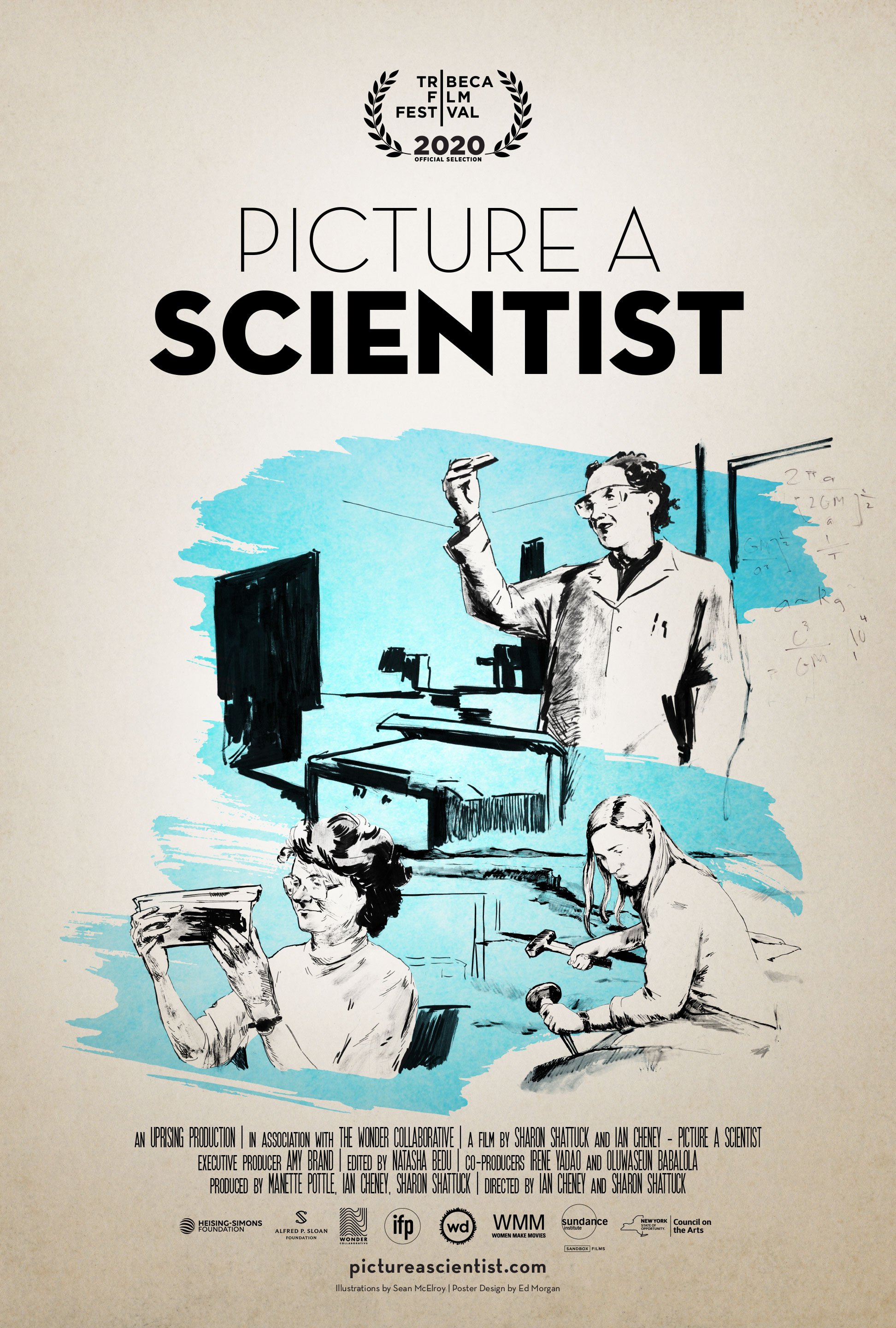
A science documentary that turns the camera away from discovery and toward the culture of science itself.
Where to watch: Netflix
Science documentaries usually begin with the work. Picture a Scientist begins with the people doing it. Directors Ian Cheney and Sharon Shattuck follow women scientists, including biologist Nancy Hopkins, chemist Raychelle Burks, and geologist Jane Willenbring, as they recount experiences with discrimination, harassment, and the quieter structural barriers that shaped their careers in science.
The film moves between deeply personal stories and a much larger examination of who gets to become a scientist, who advances, and what scientific institutions lose when talented people are pushed out. Laboratories and field sites are still here, but scientific discovery is no longer the central story. The culture surrounding it is.
How it broke the mold
Picture a Scientist borrows the machinery of an investigative documentary and points it inward at science.
Instead of presenting scientists as objective experts who arrive briefly to explain the natural world, the film makes them complicated human protagonists working within complicated human institutions. Their experiences become evidence, revealing how power, bias, and workplace culture can shape who gets to participate in the scientific process.
That shift matters for environmental storytelling, too. Science films often celebrate what we know while leaving the system that produces that knowledge conveniently outside the frame. Picture a Scientist asks us to look at both. Sometimes the most revealing place to point a camera isn’t toward the discovery. It’s toward the people making it.
9. Honeyland (2019)
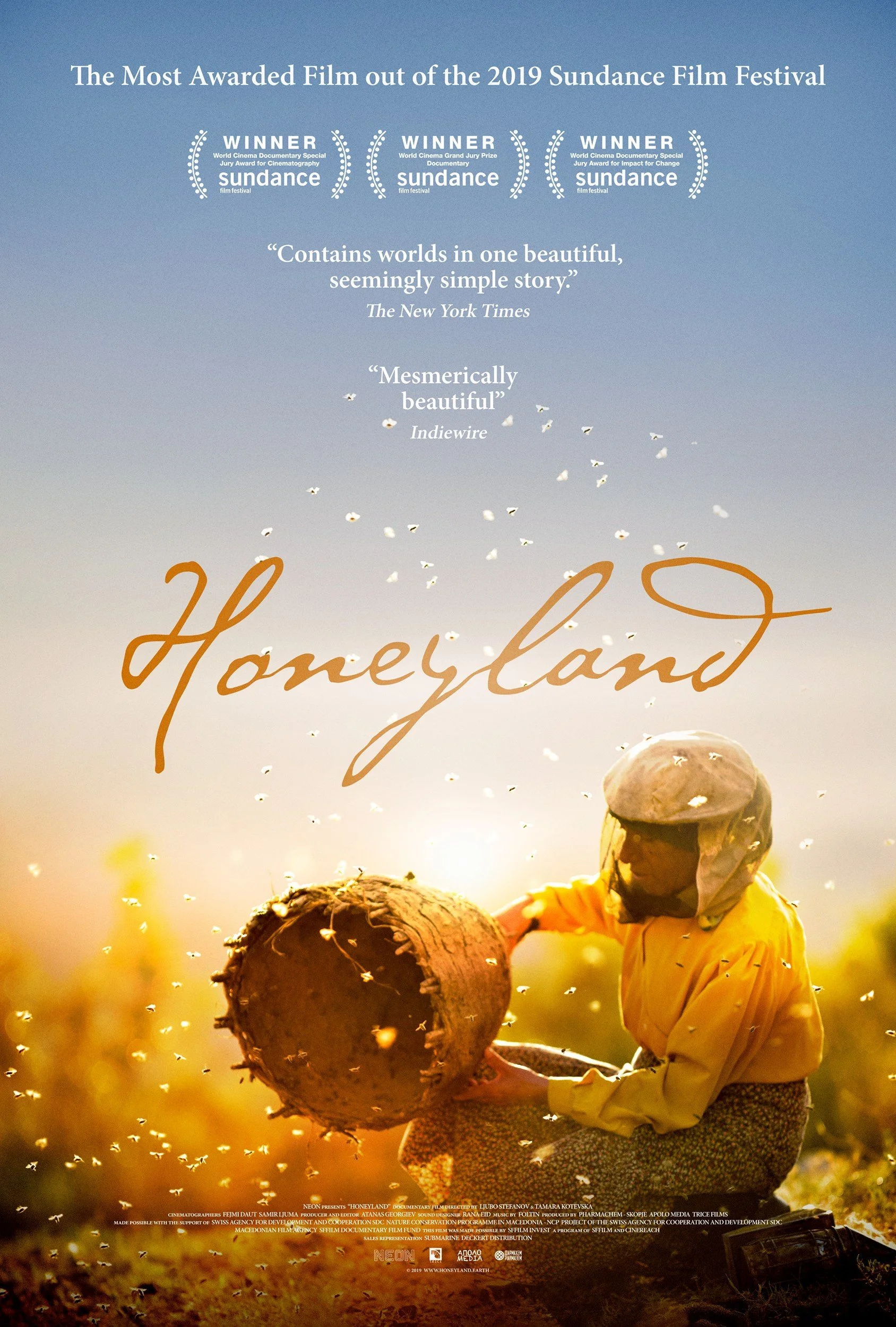
An environmental documentary that unfolds like an exquisitely observed human drama. The first film ever nominated for both Best Documentary Feature and Best International Feature Film at the Academy Awards.
Where to watch: Available to rent or buy on major streaming platforms
In a remote mountain village in North Macedonia, Hatidže Muratova tends wild bees using a principle that is remarkably simple: take half the honey and leave half for the bees. She lives with her elderly mother, climbs rocky hillsides to reach hidden colonies, and sells small jars of honey at the market in Skopje.
Then a large family arrives next door. They bring children, cattle, noise, and eventually bees of their own. What begins as companionship slowly develops into conflict as the pressure to produce more honey disrupts the careful balance Hatidže has maintained. Directors Tamara Kotevska and Ljubomir Stefanov observe it all with extraordinary patience, allowing a story about beekeeping to become something much larger: a story about family, scarcity, ambition, and what happens when taking a little more becomes taking too much.
How it broke the mold
Honeyland borrows the machinery of narrative drama and applies it to environmental storytelling. There are no experts explaining sustainable agriculture, no graphics illustrating ecosystem decline, and very little traditional exposition at all. Instead, there are characters we come to know, relationships that change, conflicts that escalate, and choices with consequences.
The environmental argument emerges almost entirely through story. Hatidže’s simple practice of taking half and leaving half becomes an ecological philosophy without ever needing to be presented as one. We understand balance by watching her maintain it, and we understand its fragility by watching that balance unravel.
That is what makes Honeyland such a fitting final film for this list. It does not ask audiences to come for a lesson about bees or sustainability. It gives us a deeply human story and lets the environmental meaning find us along the way.
Now Go Break the Mold
The natural world does not fit neatly into genres. It is funny and brutal, intimate and enormous, deeply familiar and completely strange. There is no reason the films we make about it should all speak the same cinematic language.
The films on this list show what becomes possible when filmmakers give themselves permission to play. A polar bear film can challenge who gets to be the observer. A conservation story can become a thriller. A film about invasive species can be genuinely hilarious. And somewhere in that creative freedom, the boundaries of what we call a “nature documentary” start to become a lot less useful.
We think that is a good thing.
Environmental storytelling needs more voices, more perspectives, and more creative risk. It needs filmmakers willing to borrow from other genres, question familiar conventions, and make work for people who would NEVER watch a traditional nature documentary. Because the goal is always to break out of your own echo chambers. The goal is to make stories about this planet impossible to ignore.
That is the future of nature filmmaking we want to be part of building.