The Path of Puma-36: A Mountain Lion’s Fight for Survival
It is a rite of passage for every young mountain lion to leave their mother's side and begin life on their own. For P-36, an 18-month-old male, this new beginning meant stepping into a far more dangerous world than he had ever experienced. The story of P-36 is one of resilience, struggle, and the immense challenges that these apex predators face just to survive.
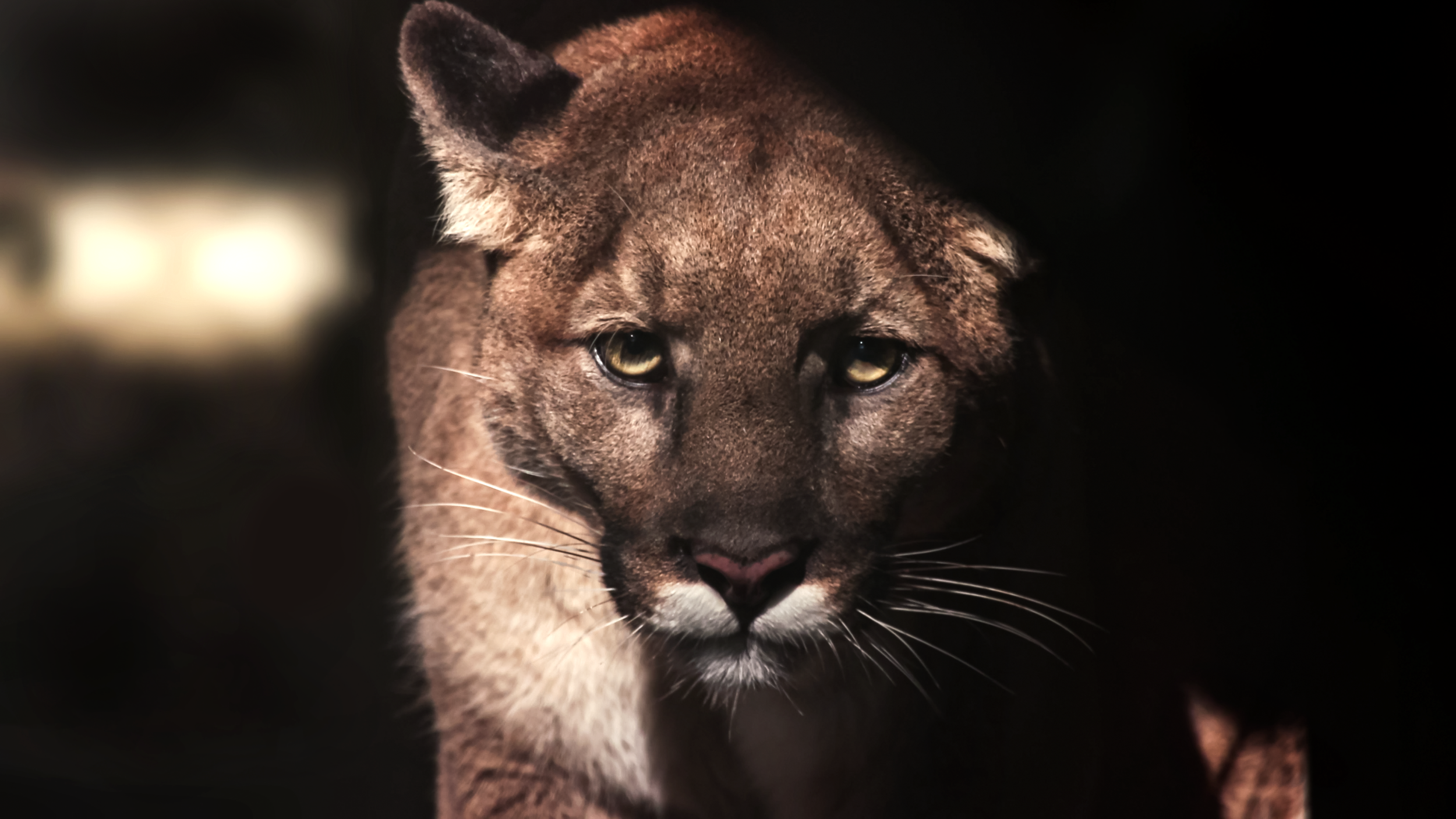
As P-36 began this new journey, he gained the title of “dispersal cat,” which is what researchers call lone mountain lions without territories of their own. Dispersal cats like P-36 must navigate around obstacles such as cities, highways, and rival mountain lion territory, all while learning to hunt and fend for themselves. P-36 travelled 1,500 miles throughout northern California in search of his own territory, often battling hunger and exhaustion.
P-36 discovered the troublesome relationship between humanity and wildlife as he makes his way through increasingly developed landscapes. To a certain extent, the negative relationship that humans have with wildlife like mountain lions is not intentional. However, if humans truly care for animals negatively impacted by our presence, we should do everything we can to learn how to coexist.
A Journey Monitored by Humans
P-36 had been spotted on several wildlife cameras in Northern California alongside his mother and sibling. As he grew older, researchers prepared to trap P-36 so they could collar him and collect data from his journey.
On March 3rd, 2022, in Taylor Mountain Regional Park, California, Dr. Quentin Martin, Kate Ramsen, and other scientists successfully trapped and collared P-36. At around 18 months old, P-36 had just left his mother. After being collared, P-36 began his long journey to find territory.
The data from P-36’s travels became a valuable source of information about the challenges that mountain lions face on a daily basis. How these animals move and behave while traversing human-dominated landscapes can show us how we can avoid human-wildlife conflict and better coexist with these elusive cats.
Territory Fragmented by Highways
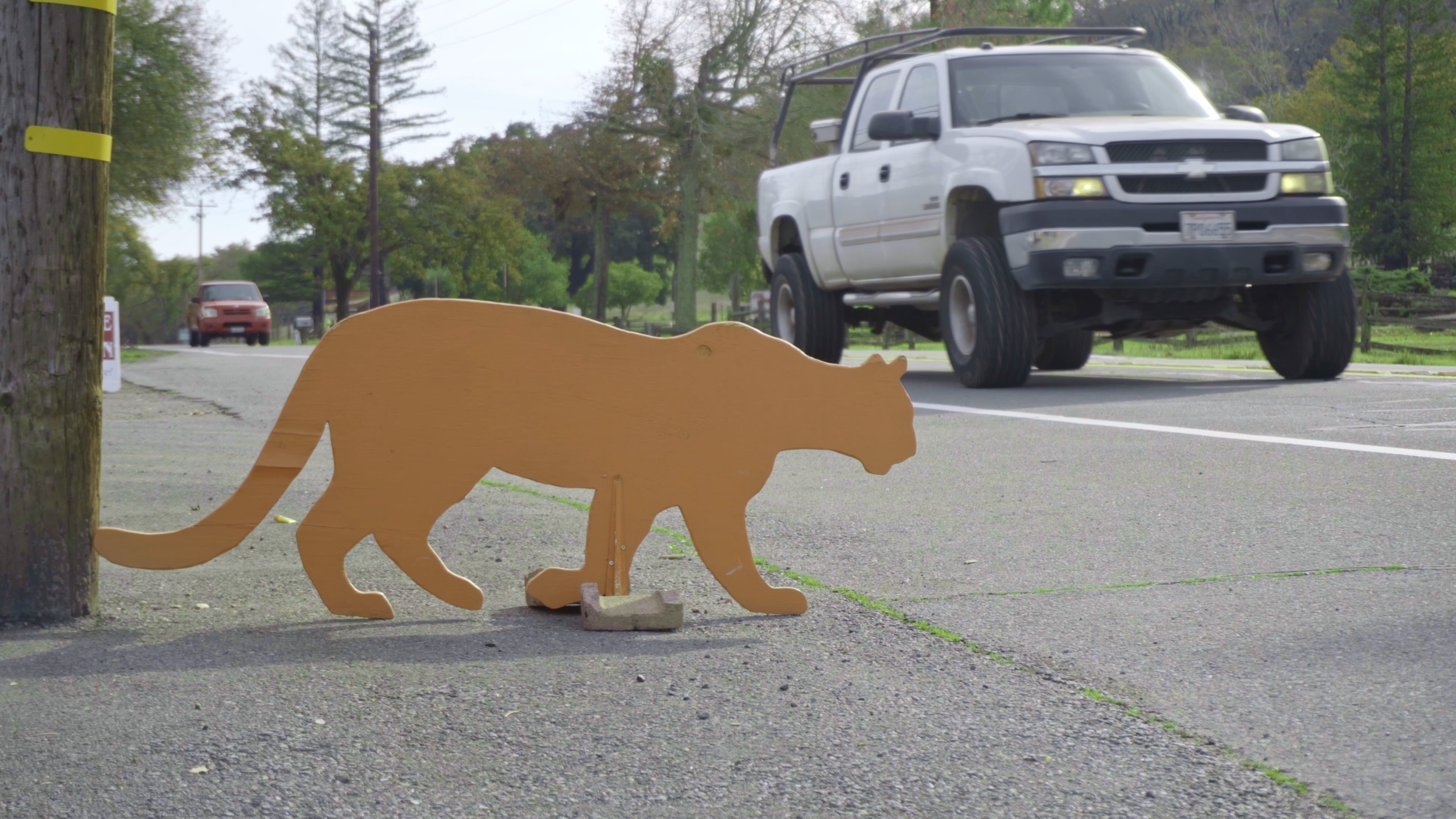
One of P-36’s first obstacles was the 101 highway in California, a deadly barrier to wildlife. Over the span of his journey, he crossed this busy road 5 times. Many mountain lions aren't lucky enough to cross these highways unscathed, with up to 100 being struck by cars annually, according to the Center for Biological Diversity.
Some states have constructed wildlife crossings over busy highways to prevent this issue, and.tracking where P-36 and other mountain lions cross the 101 can help researchers determine the best location for a wildlife crossing. This solution sounds simple enough, the cost of these crossings is a point of contention.
As a juvenile, P-36 is too young to fight off other males and so he must stay on the move. This means that young dispersal cats like P-36 often find themselves in problematic areas like suburban neighborhoods. In addition to navigating residential areas, P-36 also had to avoid rival male territories. Male mountain lions require vast territories, sometimes ranging up to 200 square miles. They guard these territories fiercely from intruders like P-36.
Survival at Any Cost
In his search for food, P-36 traveled to rural areas where livestock became an easy target. Mountain lions typically hunt wild deer, which make up around 73% of their diet, but they may prey on sheep and other livestock when opportunities arise. For P-36, the temptation was too great, but his actions weren’t born of malice. Like any predator, he was driven by an instinct to survive.
In Bodega, California, Shepherdess Alyssum Ravallo described P-36’s behavior as going “a little batty, as cats do,” after he claimed the lives of a few sheep. Fortunately, Alyssum’s farm had a no-kill policy for mountain lions, but not all ranchers share that mindset.
When Predators Become Targets
For ranchers, losing livestock to a mountain lion can be devastating. Many turn to depredation permits, allowing them to kill the predator they suspect of harming their livestock or pets. Tragically, this was the fate of P-36. Before he could run back into hiding, a landowner ended P-36’s life, cutting short the long journey scientists had been tracking.
The journey of P-36 is a stark reminder of the challenges that mountain lions face and how their greatest threat is often humans. Although hunting mountain lions for sport is illegal in California, up to 100 mountain lions are killed every year after being accused of preying on pets or livestock.
A Call for Coexistence
P-36’s story isn’t unique. His death leaves a vacuum another mountain lion will inevitably fill, perpetuating a cycle of loss. The real solution lies in prevention and education. Some solutions include bringing livestock indoors at night to reduce encounters, using predator-proof enclosures for smaller herds, and employing guardian dogs to deter wild predators. Mountain lions are ecosystem engineers, helping to keep deer populations in check and maintaining balance in their habitats. Their loss disrupts nature’s delicate harmony.
Luckily for future dispersal cats, a new wildlife crossing will be open in December of 2026 over the 101 in Agoura Hills, California. This marks an important milestone in our effort to better coexist with wildlife and to prevent dangerous collisions.
Though P-36’s journey ended too soon, his legacy can inspire change. By learning more about these majestic creatures, we can ensure that future generations of mountain lions don’t face the same fate.