The Channel Island Fox: one of America’s Greatest COnservation COmebacks
Learn how the Channel Island fox recovered from the brink of extinction in one of the most successful conservation stories in U.S. history. The Little Fox of Limuw explores the ecology, history, and collaborative restoration efforts that helped save this remarkable species found only on California’s Channel Islands.
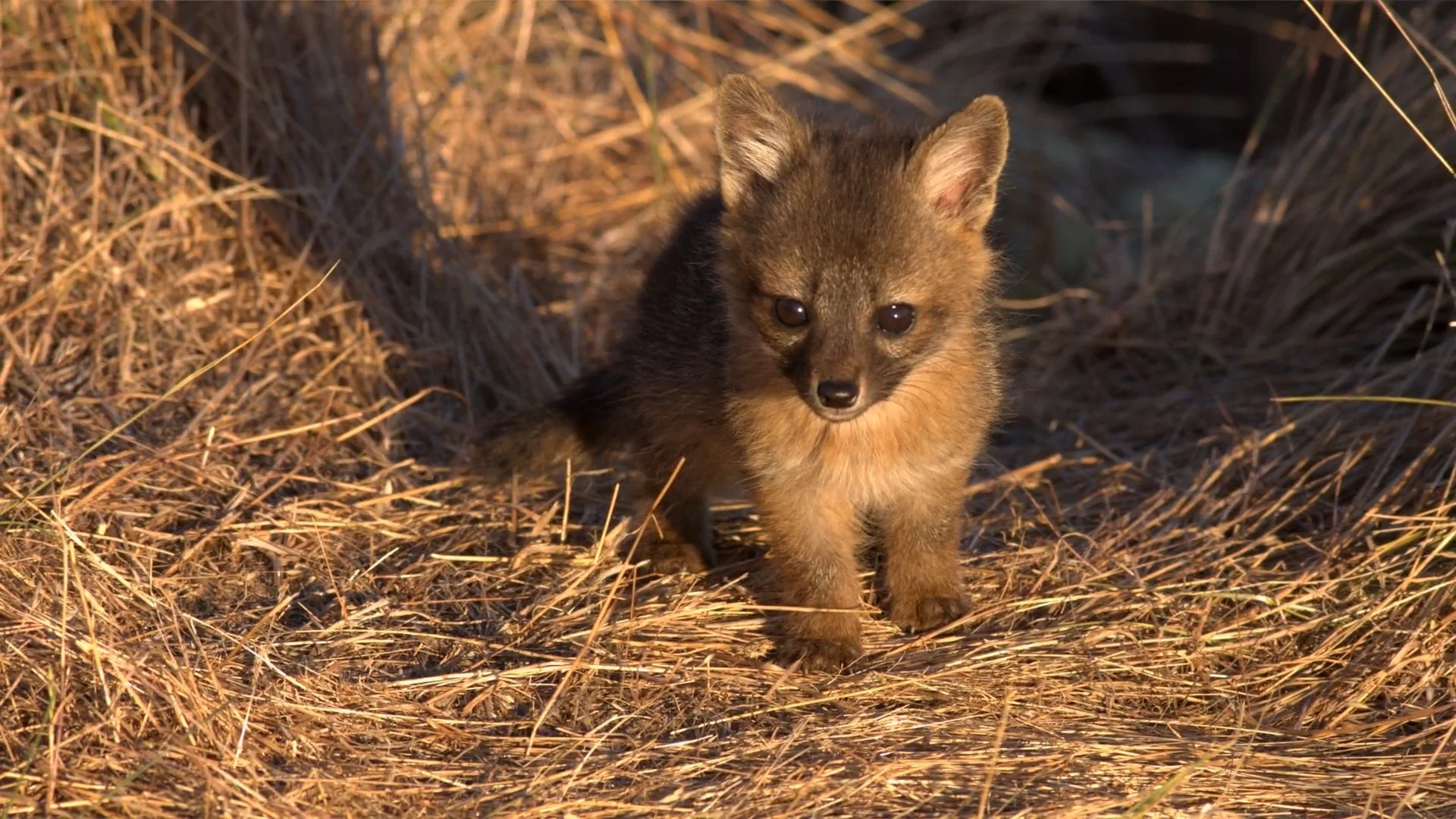
When people think about endangered species in North America, they often picture grizzly bears, wolves, or California condors. Few have heard of the Channel Island fox—a housecat-sized predator found only on six of California's Channel Islands.
Yet the recovery of this tiny fox represents one of the fastest and most successful endangered species recoveries in United States history.
The Little Fox of Limuw tells this story through the lens of Santa Cruz Island, known as Limuw to the Chumash people. Written, directed, and produced by Michael Love, the film explores how a species that evolved in isolation for thousands of years was pushed to the brink of extinction in just a few decades—and what it took to bring it back.
A Fox Found Nowhere Else on Earth
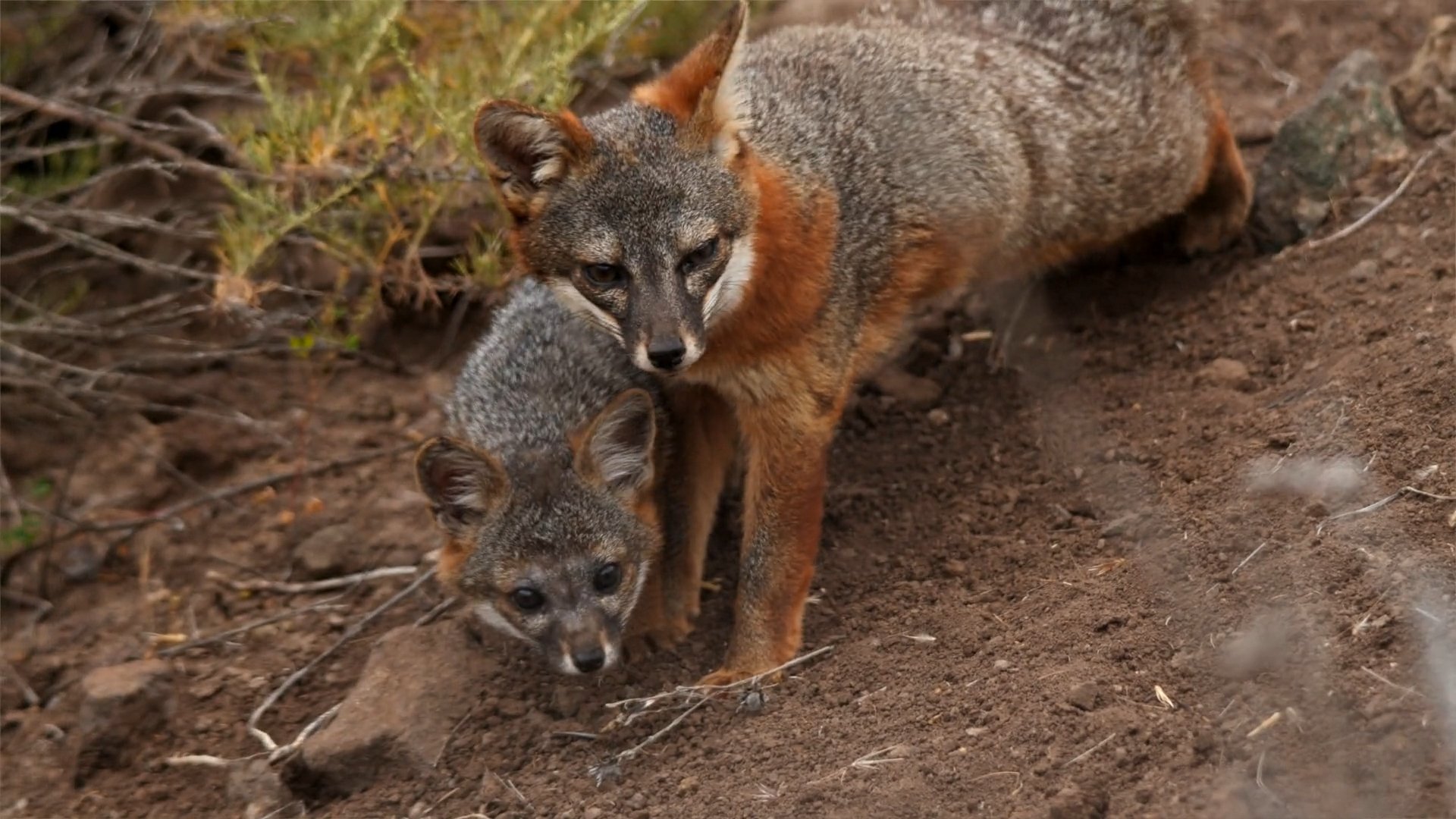
The Channel Island fox (Urocyon littoralis) is the smallest fox species in North America, weighing only three to five pounds. Descended from mainland gray foxes, island foxes arrived on the Channel Islands thousands of years ago and gradually evolved into a distinct species. Today, separate subspecies occupy six islands: San Miguel, Santa Rosa, Santa Cruz, Santa Catalina, San Nicolas, and San Clemente.
Without large mammalian predators, these foxes became an integral part of island ecosystems. They dispersed seeds, preyed on insects and rodents, and adapted to life in one of California's most unique environments. For centuries, they thrived.
During the nineteenth and twentieth centuries, human activities transformed the Channel Islands. Ranching introduced non-native animals that altered native vegetation and ecosystem processes. Later, feral pigs established populations on Santa Cruz Island. These pigs attracted golden eagles, a species rarely found on the islands historically because bald eagles had occupied the role of dominant raptor.
Unlike bald eagles, golden eagles readily preyed upon island foxes.
The results were devastating. During the 1990s, fox populations on several islands crashed. On Santa Cruz Island, the number of foxes fell from approximately 1,500 individuals to fewer than 100 in less than a decade. Similar declines occurred on Santa Rosa and San Miguel Islands.
By the early 2000s, several island fox subspecies were listed as endangered under the Endangered Species Act.
The Long Work of Recovery
The recovery effort depicted in The Little Fox of Limuw required an extraordinary level of coordination among scientists, conservation organizations, government agencies, and local communities.
Captive breeding programs helped stabilize fox populations while conservation teams addressed the broader ecological drivers behind their decline. Golden eagles were relocated from the islands, feral pigs were removed from Santa Cruz Island, and bald eagles were reintroduced to restore a more historically representative ecological balance.
The strategy recognized that conserving the fox meant restoring relationships within the ecosystem itself.
The results were remarkable. Fox populations rebounded rapidly, and by 2016, three island fox subspecies became the first mammals ever removed from the federal endangered species list because of recovery. Other island populations continue to be carefully monitored and managed to ensure their long-term persistence.
Why This Story Matters
Conservation success stories are often presented as simple narratives of rescue. In reality, they are usually complex, expensive, and deeply collaborative undertakings.
The Little Fox of Limuw embraces that complexity. Rather than focusing solely on the fox itself, the film situates the species within a broader network of ecological and cultural relationships. Through the perspectives of scientists, conservation practitioners, and Indigenous voices, viewers gain a richer understanding of what stewardship can look like in practice.
The film also serves as a reminder that ecological crises rarely have a single cause. The island fox declined because multiple changes reverberated through the ecosystem simultaneously. Its recovery required addressing those interconnected challenges with patience, adaptability, and long-term commitment.
More Than a Story About a Fox
At first glance, The Little Fox of Limuw appears to be a film about a charismatic island predator. It is certainly that. The foxes themselves are captivating—curious, resilient, and found nowhere else on Earth.
But the documentary ultimately asks a larger question: what responsibilities do we have to the places we shape?
The answer offered by the film is not simple. Conservation is rarely quick, and recovery is never guaranteed. Yet the story of the Channel Island fox demonstrates that informed action can make a difference. Ecosystems can recover. Species can return from the brink. Relationships between people and place can be repaired.
For anyone interested in wildlife conservation, island ecology, or examples of restoration that extend beyond the headlines, The Little Fox of Limuw offers both a compelling story and an important case study in what successful conservation can achieve.
Watch The Little Fox of Limuw on Wild Commons to discover the remarkable journey of one of North America's smallest—and most resilient—wild canids.