What PHIR BHI Reveals About wildlife coexistence
Most wildlife documentaries about large predators follow a predictable arc. A dangerous animal enters human space. Fear escalates. Conflict becomes inevitable. Eventually, someone or something pays the price. PHIR BHI (EVEN SO) begins with a different question entirely: what happens when people choose coexistence instead?
Credit: Unsplash
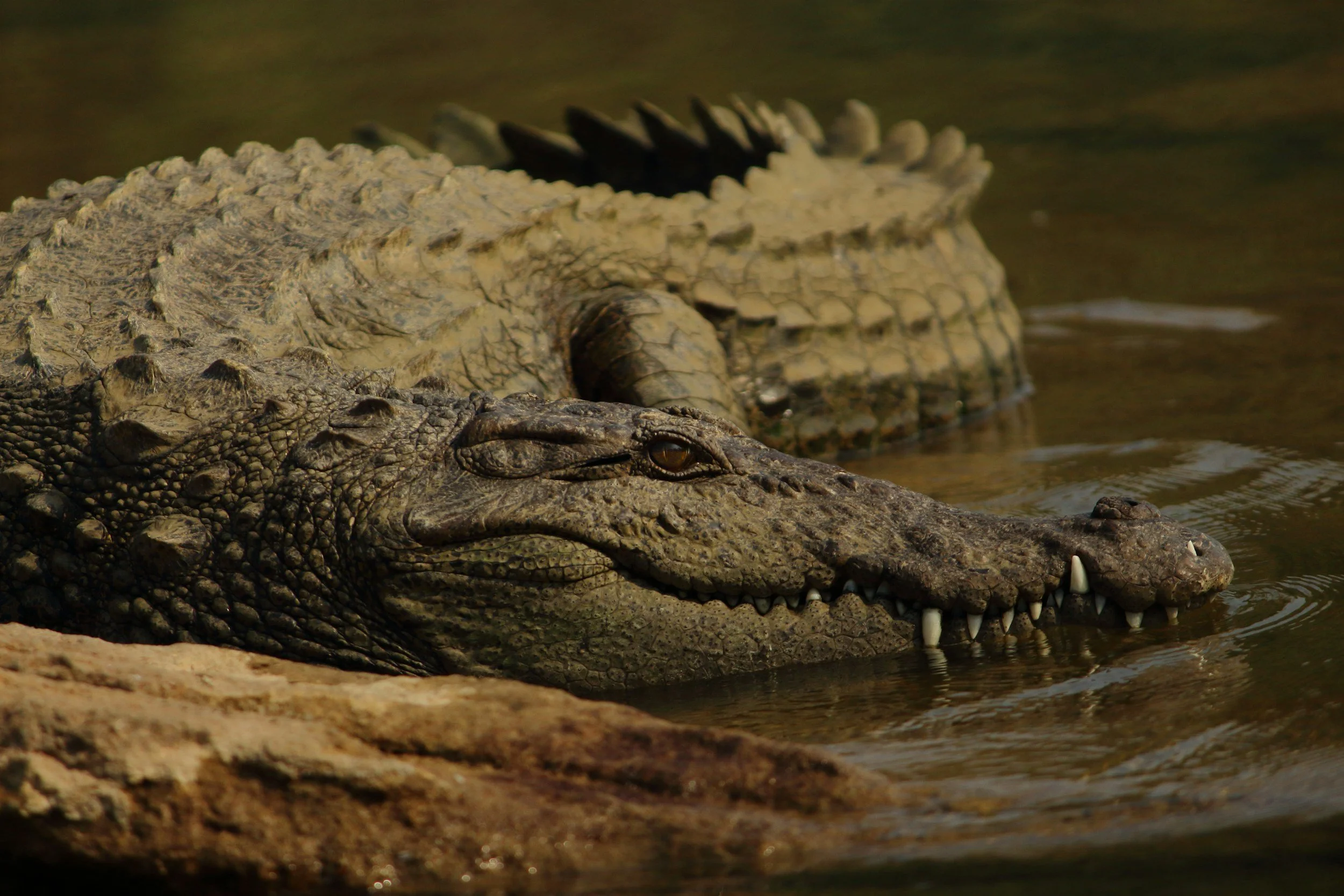
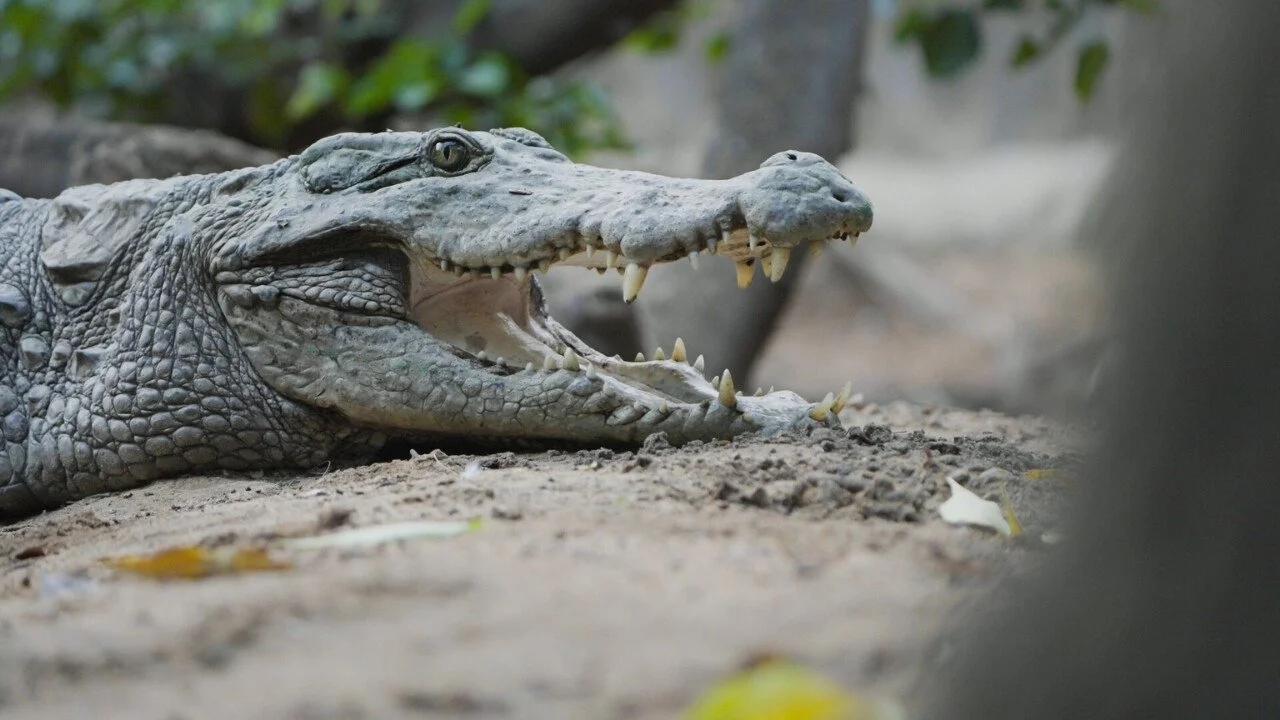
The new Wild Commons documentary from filmmaker Meghna Nandy takes viewers to the Charotar region of Gujarat, India, where local communities live alongside mugger crocodiles, one of the country’s largest freshwater predators. In a nation where human-wildlife conflict is increasing rapidly, Charotar stands apart. Despite hundreds of crocodiles inhabiting the region, attacks remain remarkably rare.
At first glance, that reality almost feels impossible.
But PHIR BHI is not interested in easy answers or simplistic optimism. Instead, the film carefully unpacks the social, ecological, and emotional systems that make coexistence possible in the first place. The result is one of the most nuanced and important conservation documentaries we’ve seen in years.
Watch PHIR BHI (EVEN SO)
Watch the film now on Wild Commons and explore one of the world’s most remarkable stories of human-wildlife coexistence:
Conservation Is About Relationships, Not Just Species
One of the most powerful ideas in PHIR BHI is that conservation is never just about protecting animals. It is about protecting relationships.
Too often, conservation stories reduce wildlife into symbols. Predators become either villains or icons. Humans become either threats or heroes. Real ecosystems are far more complicated than that.
In Charotar, coexistence exists because communities have spent generations adapting to the realities of living near crocodiles. Fishermen understand the waterways. Residents modify behavior around shared habitats. Conservationists work within cultural systems rather than against them. Tolerance becomes embedded in daily life.
That does not mean conflict disappears entirely. The crocodiles remain dangerous animals. Fear and uncertainty still exist. But the film argues something increasingly radical in modern conservation: coexistence is not the absence of danger. It is the presence of systems, behaviors, and relationships that allow risk to be navigated collectively.
At a time when environmental discourse is often dominated by collapse, polarization, and crisis, PHIR BHI offers something much rarer: complexity.
Credit: PHIR BI / Wild Commons
Human-Wildlife Conflict Is Rising Across the Globe
The themes explored in PHIR BHI extend far beyond India.
Around the world, habitat fragmentation, climate change, urban expansion, and industrial development are forcing humans and wildlife into closer contact than ever before. From wolves in Europe to elephants in Africa to bears in North America, coexistence is becoming one of the defining conservation challenges of the 21st century.
Large predators often become flashpoints for much larger tensions about land use, economics, fear, and identity. In many places, the dominant response to conflict is separation: fences, removals, relocations, lethal management.
PHIR BHI asks viewers to consider another possibility.
What if coexistence is not a naive ideal, but a necessary survival strategy for the future of conservation itself?
The film never suggests that coexistence is easy. In fact, one of its greatest strengths is its honesty about how fragile these systems truly are. Development pressures are reshaping Charotar. Wetland ecosystems are under strain. Outside the region, conflict is already escalating.
The balance depicted in the documentary is real, but it is also vulnerable.
That vulnerability gives the film its emotional weight.
Why Stories Like This Matter
At Wild Commons, we believe some of the most important environmental stories are the ones that challenge dominant narratives about nature.
PHIR BHI does exactly that.
Rather than framing conservation as a battle between humans and wildlife, the film reveals how deeply interconnected those worlds already are. It reminds us that coexistence is not abstract policy language. It is lived experience. It happens in fishing communities, wetlands, villages, and rescue operations. It depends on trust, adaptation, memory, and collective responsibility.
The film also expands what conservation storytelling can look like. Instead of relying solely on spectacle or catastrophe, PHIR BHI embraces patience and nuance. It spends time with people. It listens to contradictions. It allows the audience to sit inside uncertainty.
That approach feels especially important right now.
In an era shaped by algorithmic outrage and oversimplified narratives, documentaries like PHIR BHI remind us that environmental issues are fundamentally human stories. They are stories about culture, behavior, relationships, and the difficult work of sharing a changing planet.

support the artist, subscribe to the channel!
A Different Future for Conservation
Perhaps the most striking thing about PHIR BHI is that it leaves viewers with both hope and discomfort at the same time.
Hope, because coexistence is clearly possible.
Discomfort, because maintaining it requires constant effort.
There are no perfect systems in conservation. No permanent victories. No landscapes untouched by change. What PHIR BHI captures so beautifully is the idea that coexistence is not a final destination. It is an ongoing negotiation between humans, wildlife, and the environments they share.
That negotiation may become one of the defining questions of our century.
And that is exactly why this film matters.