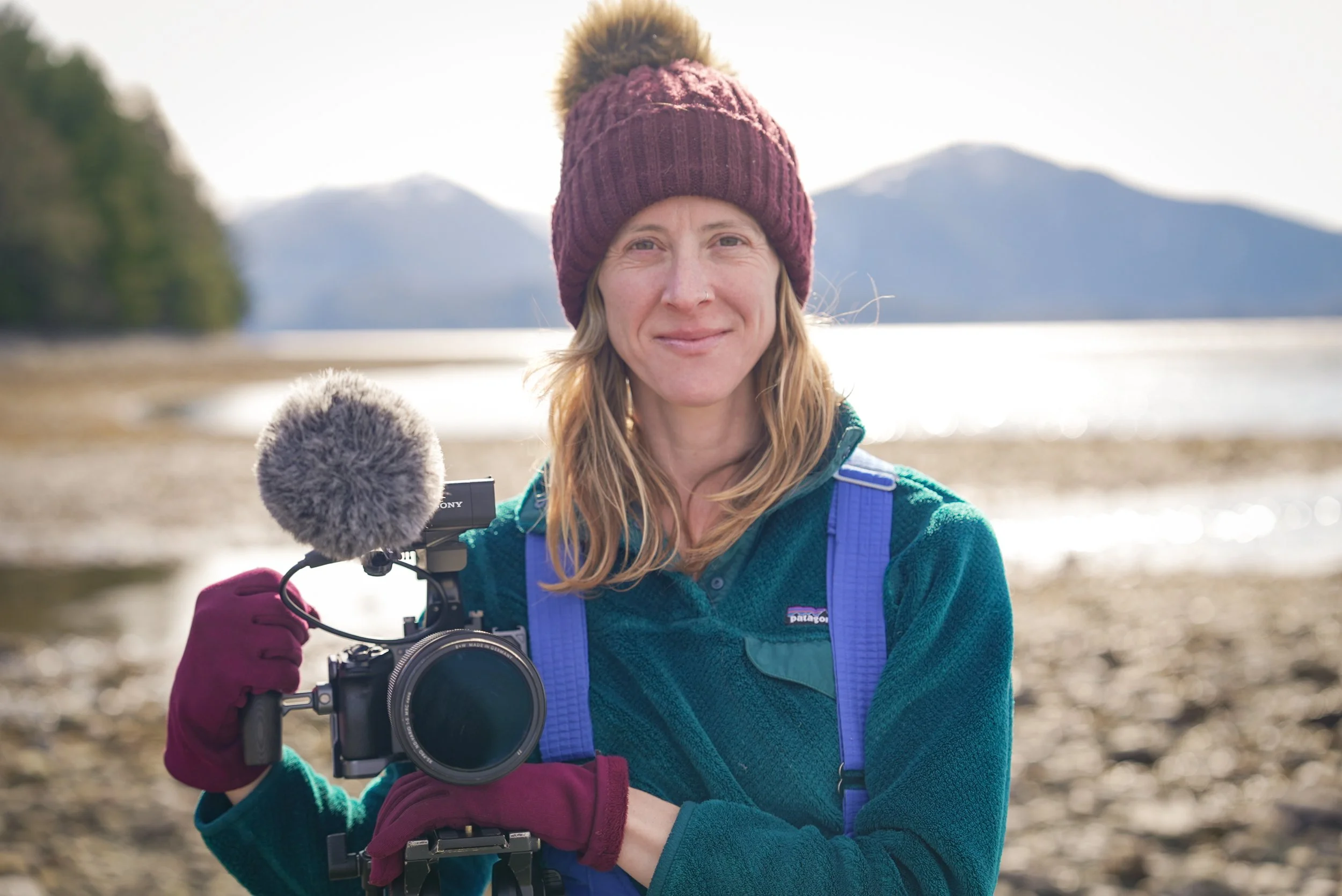
Meet Kika Tuff
Credit: Matt Talarico / Impact Media Lab
Hey, I’m Kika Tuff, a filmmaker and co-founder of Wild Commons — a nature and science documentary distribution platform built for independent storytellers.
Before filmmaking, I was a practicing scientist, studying the impacts of deforestation on wildlife. I spent all day, everyday collecting data on a problem we knew how to solve thousands of years ago.
What struck me as a scientist is that deforestation continues to happen, even when we understand its consequences. Even when we know the policies that can stop it. Even when we GET that it destroys ecosystems and causes extinction.
And that is when I had to accept that data doesn’t move people to action. Stories and emotional connection does.
When I finished my Ph.D. in 2016, I left research and started a science media company focused on conservation storytelling. And this year, I helped kickstart the Wild Commons project to level the playing field on distribution opportunities and create new pathways for filmmakers to generate revenue from their work.
What I’ve learned about stories and behavior
What I realized is that my experience in science wasn’t unique. In many ways, it reflected one of the central challenges in science communication: that humans are not rational creatures with emotions; they are emotional creatures with the ability to rationalize.
There is a common assumption that if people simply understood the facts, they would change their behavior. But decades of research in psychology, communication, and behavioral science suggest otherwise. Information rarely changes minds, especially when the issue is tied to identity, politics, culture, or economics. In fact, data often does the opposite: people interpret new information through the lens of what they already believe, reinforcing existing worldviews rather than transforming them.
In fact, evidence completely FAILS in competition with emotion, belonging, narrative, and lived experience.
Humans developed their lives around stories long before we ever saw a spreadsheet. We remember stories. We emotionally inhabit stories. Stories allow us to see ourselves inside an issue instead of standing outside of it as an observer.
That distinction matters enormously for conservation and climate communication.
Most people will never personally witness coral bleaching, deforestation, collapsing fisheries, or species extinction firsthand. For many, these crises remain abstract, statistical, and psychologically distant. But storytelling has the power to collapse that distance. A film can make a disappearing ecosystem feel personal. It can transform a scientist from an authority figure into a relatable human being. It can create empathy for species or communities audiences may have otherwise ignored entirely.
And importantly, stories do not just transfer information. They shape values, identity, and culture. They help determine what societies see as worthy of protection. They can truly, and sometimes dramatically!, shift behavior.
And That realization fundamentally changed the trajectory of my life. if I wanted to advance conservation efforts in my career, I needed to get into the business of storytelling.
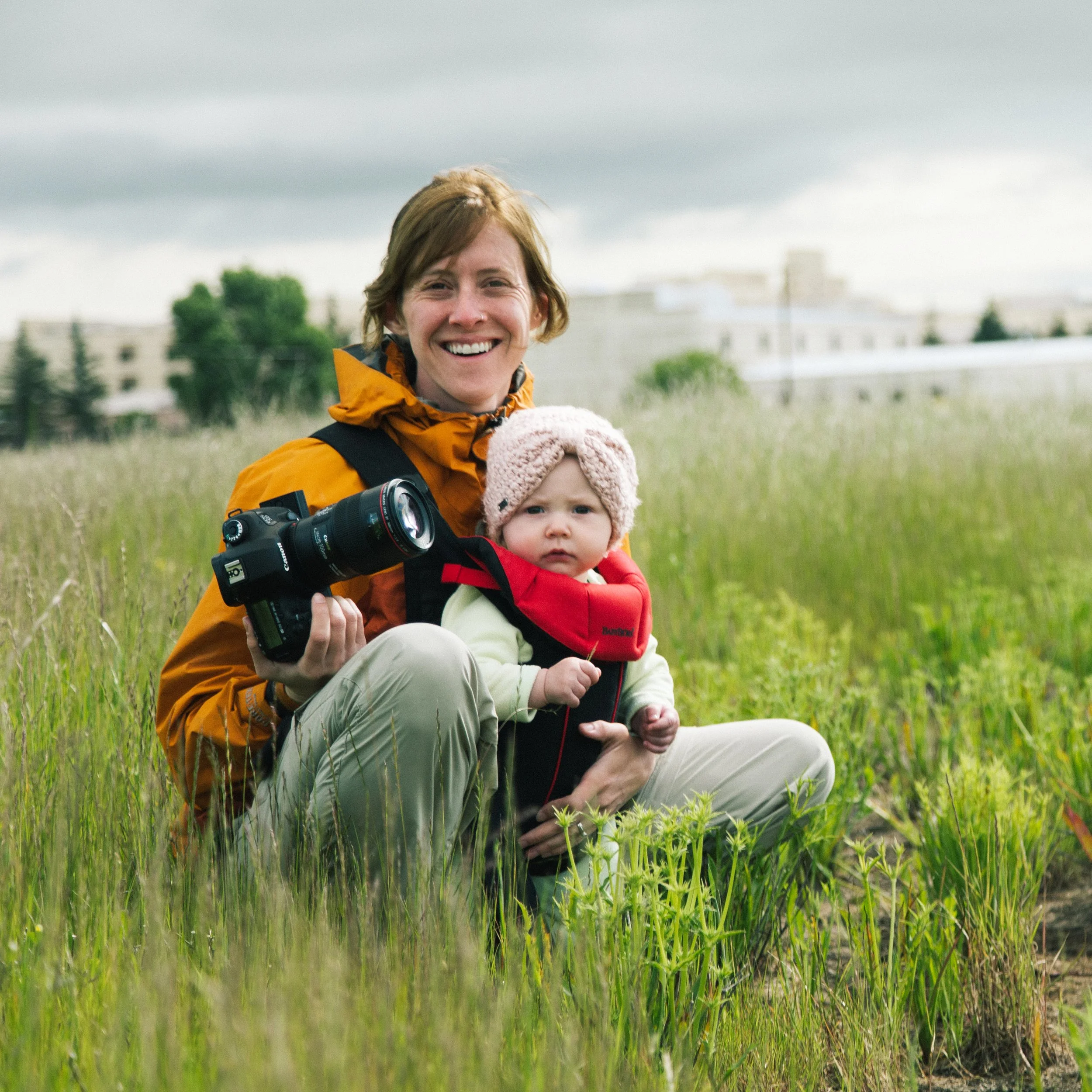

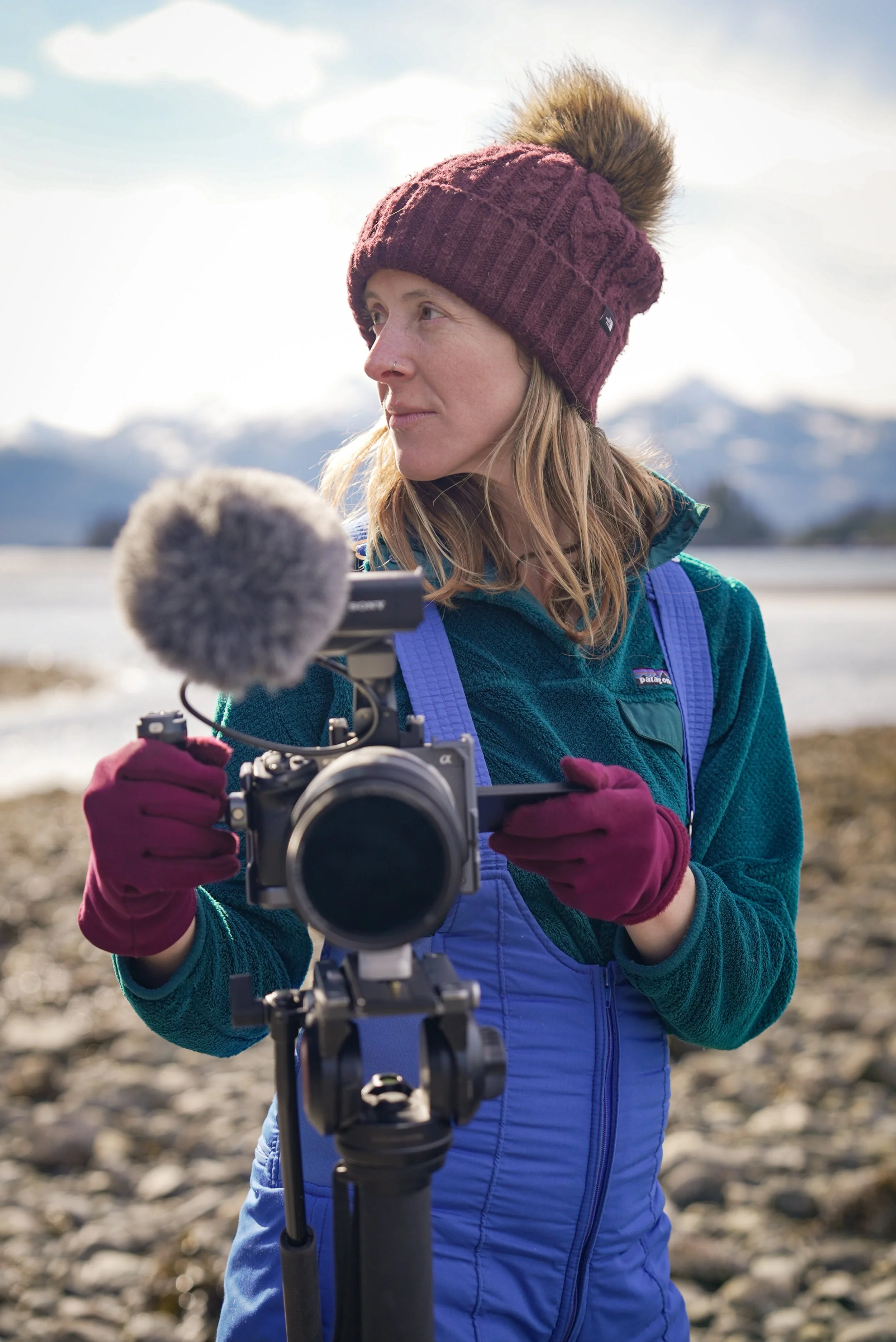
co-founding wild commons
My big “ah hah” in my work was no longer thinking about storytelling as a supplement to doing science but instead seeing it as essential infrastructure for social and environmental change. Documentary filmmaking became my way to bridge the gap that had frustrated me so deeply as a researcher: the gap between knowing and caring. Or more importantly caring, and doing something about it!
And this is why I co-founded Wild Commons and believe so deeply in expanding access to documentary films! And making filmmaking a viable career for storytellers around the world!
Because storytelling is our most effective tool for helping people reconnect with the natural world. And if we are going to confront climate change, biodiversity collapse, deforestation, and the future of conservation, we need more than information. We need to shift people’s values, priorities, and culture — in the way that only compelling, emotionally resonant films can.