Why Diving for Rays Is the Film We Need Right Now
Diving for Rays follows Nicole Woodbyrne’s journey into marine conservation, revealing why LGBTQ representation in science matters now more than ever. As rights face renewed challenges, this film reminds us how visibility shapes our sense of belonging, in science and beyond.
Credit: Diving For Rays
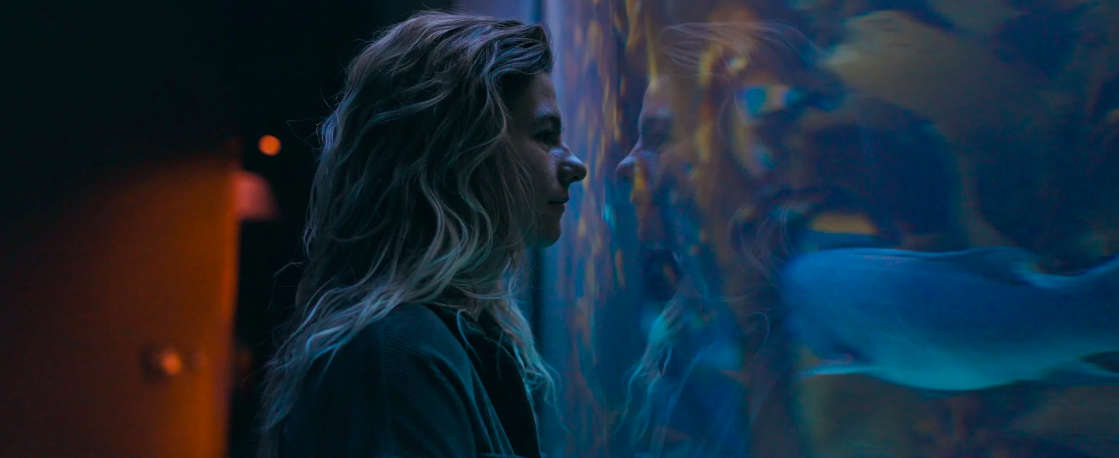
Nicole Woodbyrne always wanted to be a marine scientist. What she struggled to find were examples of people like her already doing it.
Growing up queer, Nicole rarely saw LGBTQ+ people represented in the sciences she hoped to pursue. The absence left her without a clear picture of what her own future might look like. She loved the ocean. She wanted a career protecting it. But when you cannot see anyone like yourself occupying the spaces you hope to enter, belonging can be difficult to imagine.
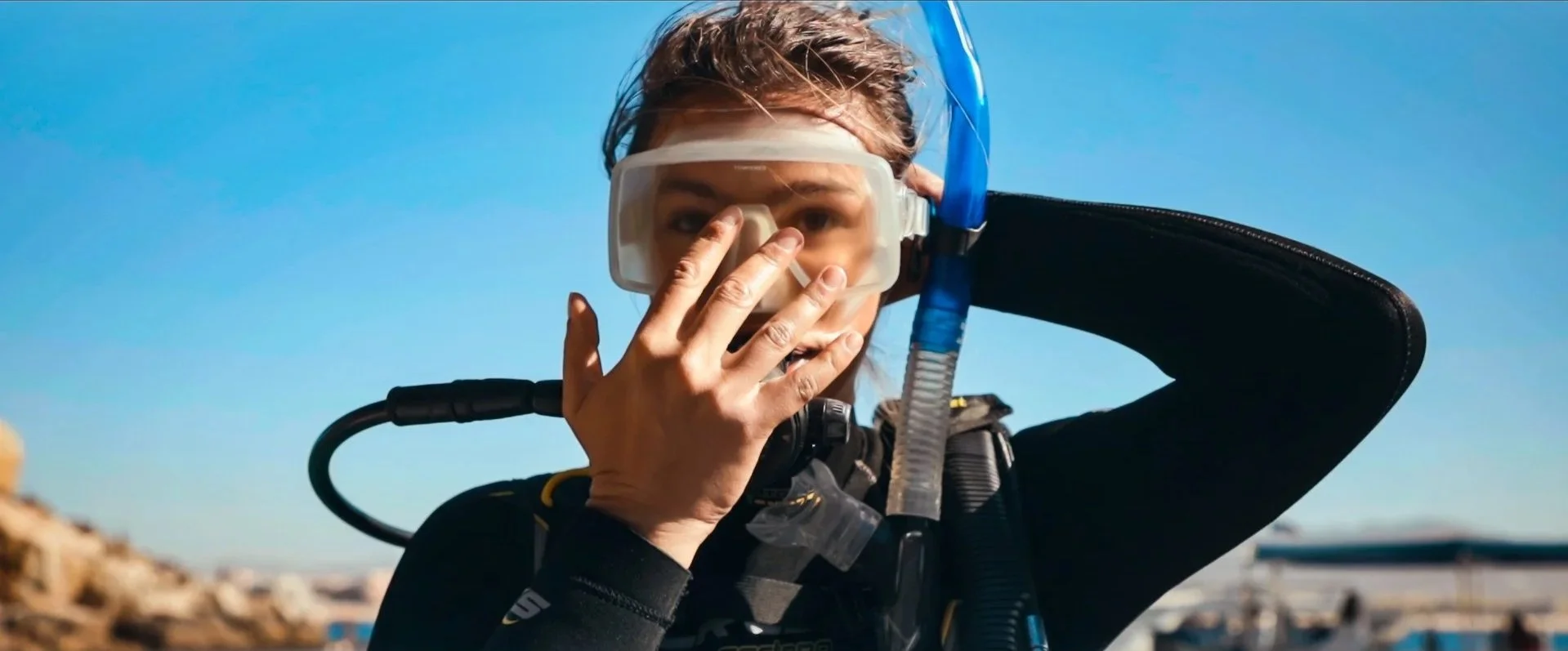
Diving for Rays follows Nicole as she decides to enter that uncertainty anyway. She joins the Manta Trust in the Maldives, where she learns to identify and study manta rays while beginning to find her footing as a marine conservationist.
The film is intimate in scale. There is no attempt to make Nicole representative of every queer scientist or turn her experience into a sweeping argument about diversity in science. Instead, we watch one person confront a question that has followed her into the field: If no one goes first, who will follow?
Watch the film here
Who Gets to See Themselves in Science?
Nicole’s experience sits within a much larger pattern.
In 2021, Science Advances published one of the largest studies of LGBTQ+ professionals in STEM, surveying more than 25,000 members of scientific professional societies in the United States. LGBTQ+ respondents were more likely than their non-LGBTQ+ peers to report career limitations, professional devaluation, social exclusion, and workplace harassment. Nearly one-third reported experiencing at least one form of social exclusion, and LGBTQ+ scientists were also more likely to say they intended to leave STEM.
These differences persisted even after researchers accounted for factors including department, employment sector, and work experience. They found no corresponding difference in work effort or commitment to the job. The disparity was not about how invested LGBTQ+ scientists were in science. It was about whether the institutions they invested in made room for them in return.
For LGBTQ+ scientists, however, visibility comes with an additional complication. Sexual orientation and gender identity are not always visible, which means representation can depend on scientists making a conscious decision to disclose that part of themselves at work. Research has found that many choose not to.
That can make absence difficult to interpret. There may be queer scientists in a department, on a research vessel, or leading a lab. But if young scientists cannot see them, they may still enter the field feeling as though they are the first.
That was the world Nicole encountered.
Credit: Diving For Rays
Why Visibility Matters Now
The landscape surrounding LGBTQ+ visibility has also shifted since Diving for Rays was made. Across the United States, questions about LGBTQ+ rights continue to play out through legislation and the courts, with many recent disputes focused specifically on transgender people’s access to healthcare, education, public spaces, and participation in school activities.
Those political debates are not the subject of Diving for Rays, and Nicole’s experience cannot stand in for the enormous diversity of LGBTQ+ lives. But they do make the film’s central question particularly relevant: what does it mean to be visible when visibility itself can carry consequences?
For Nicole, the answer is not to become an activist or spokesperson. It is to become a scientist.
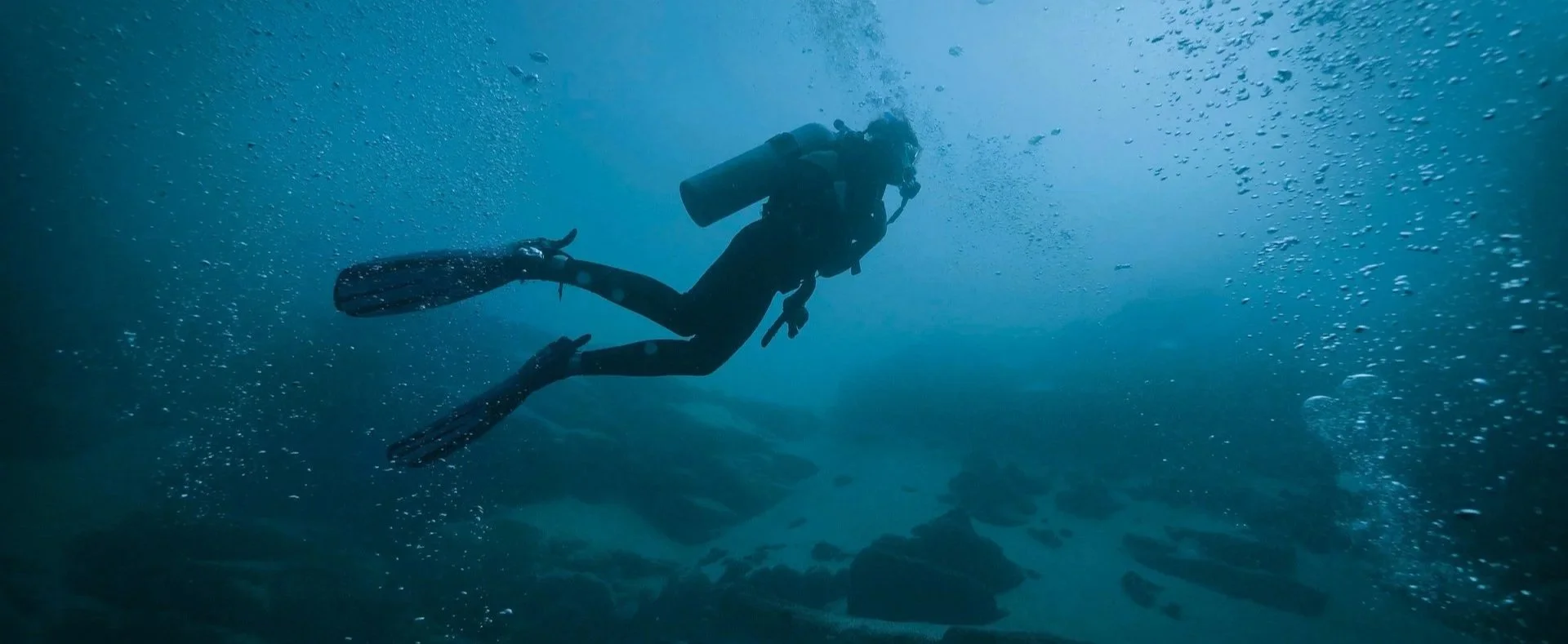
Much of Diving for Rays is simply about watching her do that. She dives. She learns to identify marine animals. She works alongside other researchers. She becomes more comfortable in the water and more confident in the life she is building around it. And as she grows as a marine scientist, the ocean itself becomes a home where she feels more fully herself.
Her identity and her science do not compete for space. They are simply two parts of the same person finding her place in the world.
Credit: Diving For Rays
Becoming the Person You Needed to See
Nicole began her journey searching for evidence that someone like her could belong in marine science. She did not find much of it. Eventually, she realized that waiting for someone else to go first would only leave the same absence for whoever came next.
One film cannot fix the barriers LGBTQ+ scientists encounter in STEM. Visibility alone cannot make an institution welcoming, nor should the responsibility for creating inclusive workplaces fall on the people who have historically been excluded from them. But visibility can change what someone imagines is possible.
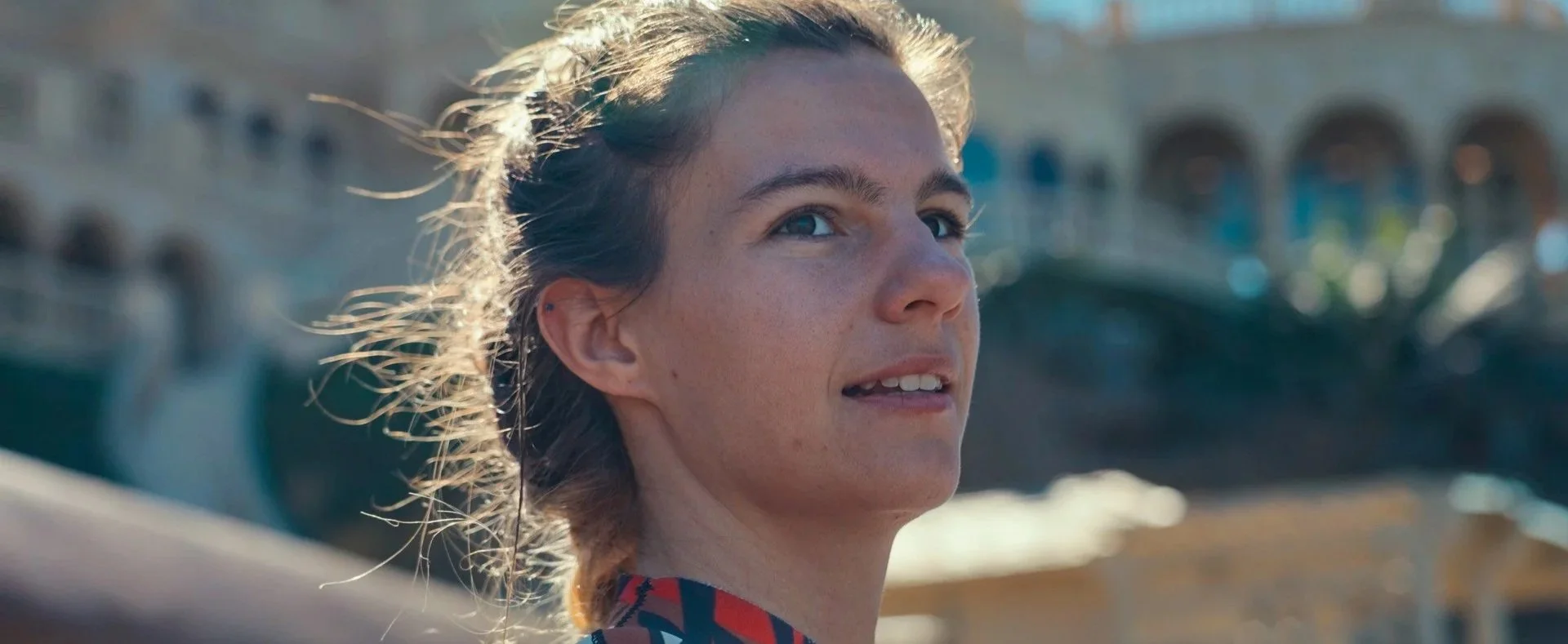
Someone watching Diving for Rays gets an example Nicole did not have. They get to see a queer woman dive into the ocean, study the animals she loves, and begin building a career in marine conservation.
If you can’t see it, you can’t be it. And Nicole decided to be seen.
Credit: Diving For Rays