Done Waiting for Permission: A Filmmaker Manifesto
Documentary filmmakers are taught to wait—for festivals, distributors, and approval that may never come. But the tools to share your work already exist. This manifesto is a call to stop waiting for permission and start building a new model for distribution—one rooted in ownership, audience, and collective momentum.
The quiet rule
Somewhere along the way, documentary filmmakers get taught a quiet rule: That before your film can exist in the world, it must be approved.
Approved by a festival.
Approved by a distributor.
Approved by a network.
Approved by someone with a budget, a platform, a connection.
And until that approval comes, your film remains in limbo—finished, but unseen. Important, but inaccessible. Alive, but waiting.
Let’s start this conversation with a truth:
You do not need permission to share your work.
And you are the one who should decide the fate of your film.
The Waiting Game
Most filmmakers don’t realize how much of their career is spent waiting.
Waiting to hear back from festivals.
Waiting on funding decisions.
Waiting for a “yes” that justifies the years they’ve already invested.
This waiting is not accidental. It is structural.
The traditional system is built on scarcity. There are limited slots, limited deals, limited attention. And so filmmakers are placed into a queue.
But while you are waiting, your film is not doing the work it was intended for.
It is not reaching audiences.
It is not generating revenue.
It is not contributing to the conversations it was made to spark.
When you build your distribution strategy around being chosen, you give up more than control. You give up time. And in documentary filmmaking, time is a sacrifice.
Stories age. Conversations move. Urgency fades.
The Cost of Playing by the Rules
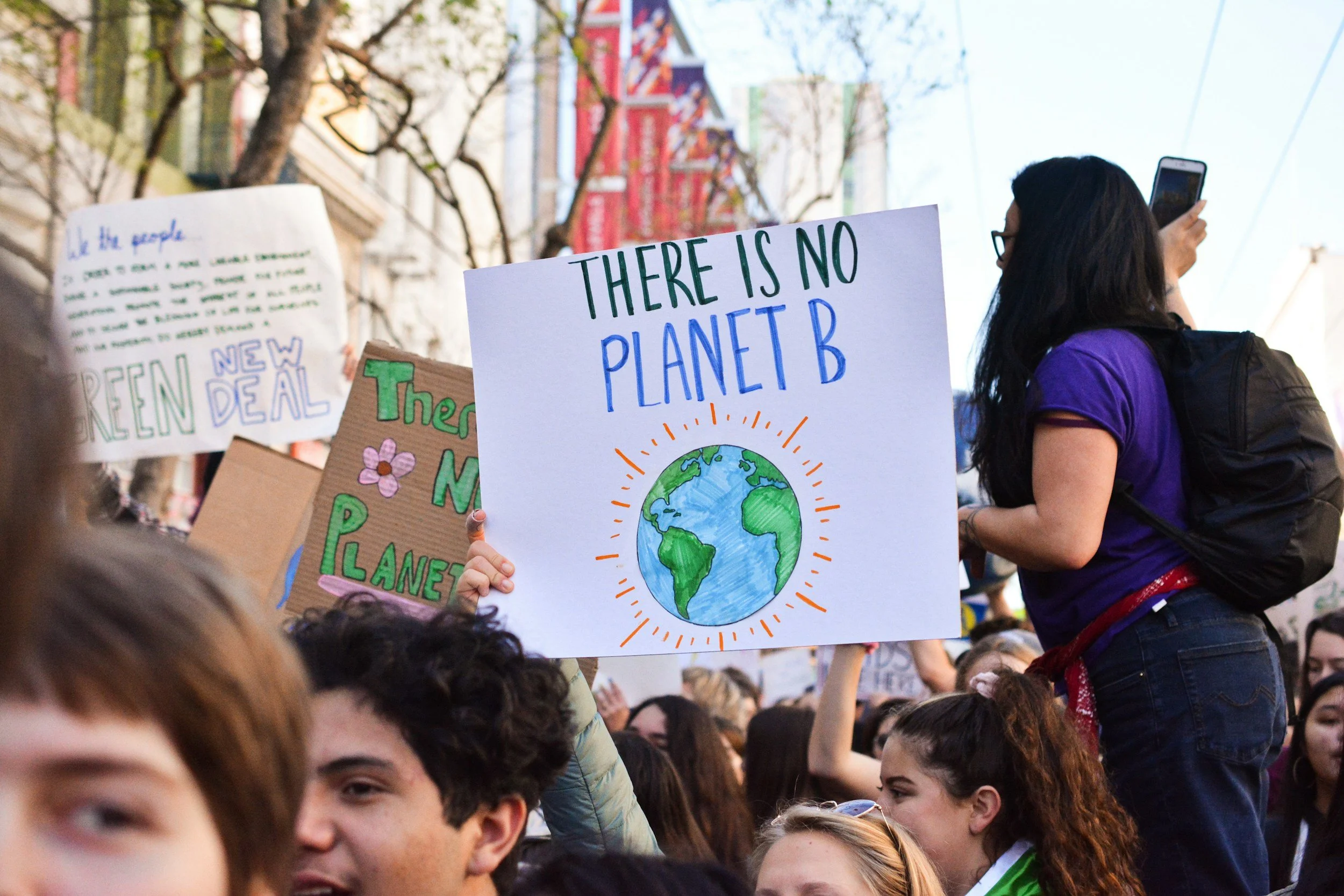
For science and nature films, time is especially critical. A film about climate change, biodiversity, or ecological collapse is not just a piece of content—it is part of an ongoing, time-sensitive dialogue.
Delaying that film’s release in pursuit of the “right” opportunity can mean missing the moment it was meant to shape.
And even when that opportunity arrives, the tradeoffs can be significant: losing your rights, low pay, and a marketing plan designed entirely by someone else.
The film is released, but it’s on someone else’s terms.
What Happens When You Stop Waiting
There is a moment when filmmakers realize they can move forward without permission.
It doesn’t feel like a breakthrough. It feels like a risk.
Because stepping outside the traditional systems means letting go of its signals of success. No premiere badge. No acquisition announcement. No external validation that says, “You made it.”
What replaces those signals is something less visible, but more durable:
Ownership.
Agency.
Direct connection with an audience.
When filmmakers release their work on their own terms, something shifts. The film is no longer an asset waiting to be approved. It becomes an active participant in the world.
It can do the thing it was made to do.
This Is Not About Doing It Alone
There is a misconception that rejecting traditional distribution means going it alone. But the most interesting developments in documentary film today are not happening in isolation. They are happening in collective action.
Groups of filmmakers building shared platforms. Shared audiences. Shared momentum.
Not to replace one gatekeeper with another, but to remove the need for gatekeeping altogether.
A collective system works differently. It is not built on scarcity, but on accumulation. Each new film strengthens the platform. Each new audience member benefits every filmmaker.
Success is not a competition. It is a collaboration.
Wild Commons, and the End of Permission
Wild Commons was built for this moment.
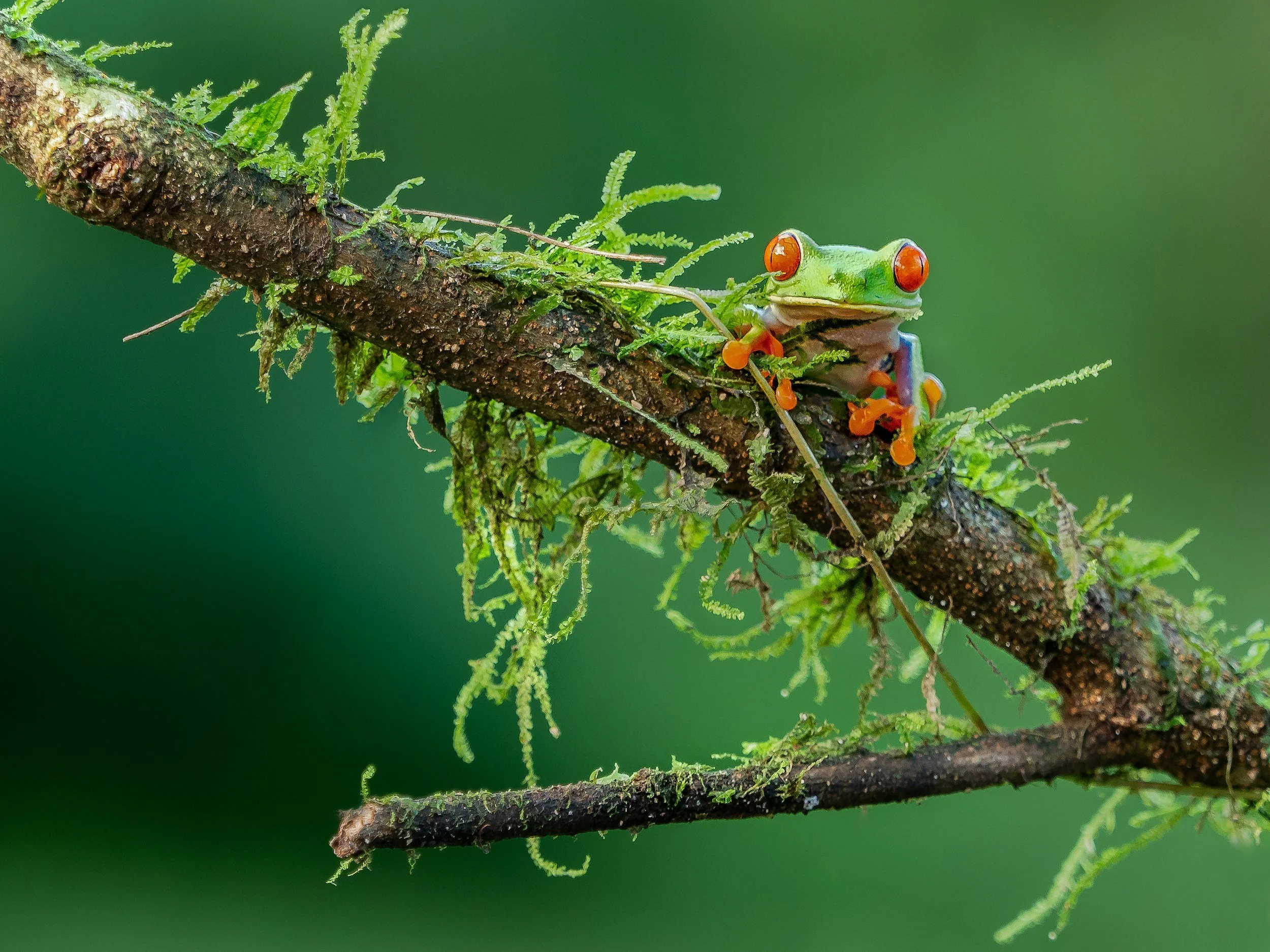
A platform where science and nature filmmakers can release their work into an ecosystem designed for it—one with a built-in audience, a shared mission, and a revenue model that prioritizes creators.
It does not ask filmmakers to wait. It asks them to contribute.
To be part of something that is growing—not because it was approved, but because it is needed.
There will always be reasons to wait: a better opportunity. A bigger platform. A more visible release.
But at some point, the question becomes:
Who are you waiting for?
Because the tools are here.
The audience is here.
The need is undeniable.
The only thing left is the decision.
To hold your film back.
Or to let it do what it was made to do.