
Coexistence with crocodiles - what makes Phir Bhi (Even So) stand out amongst wildlife films
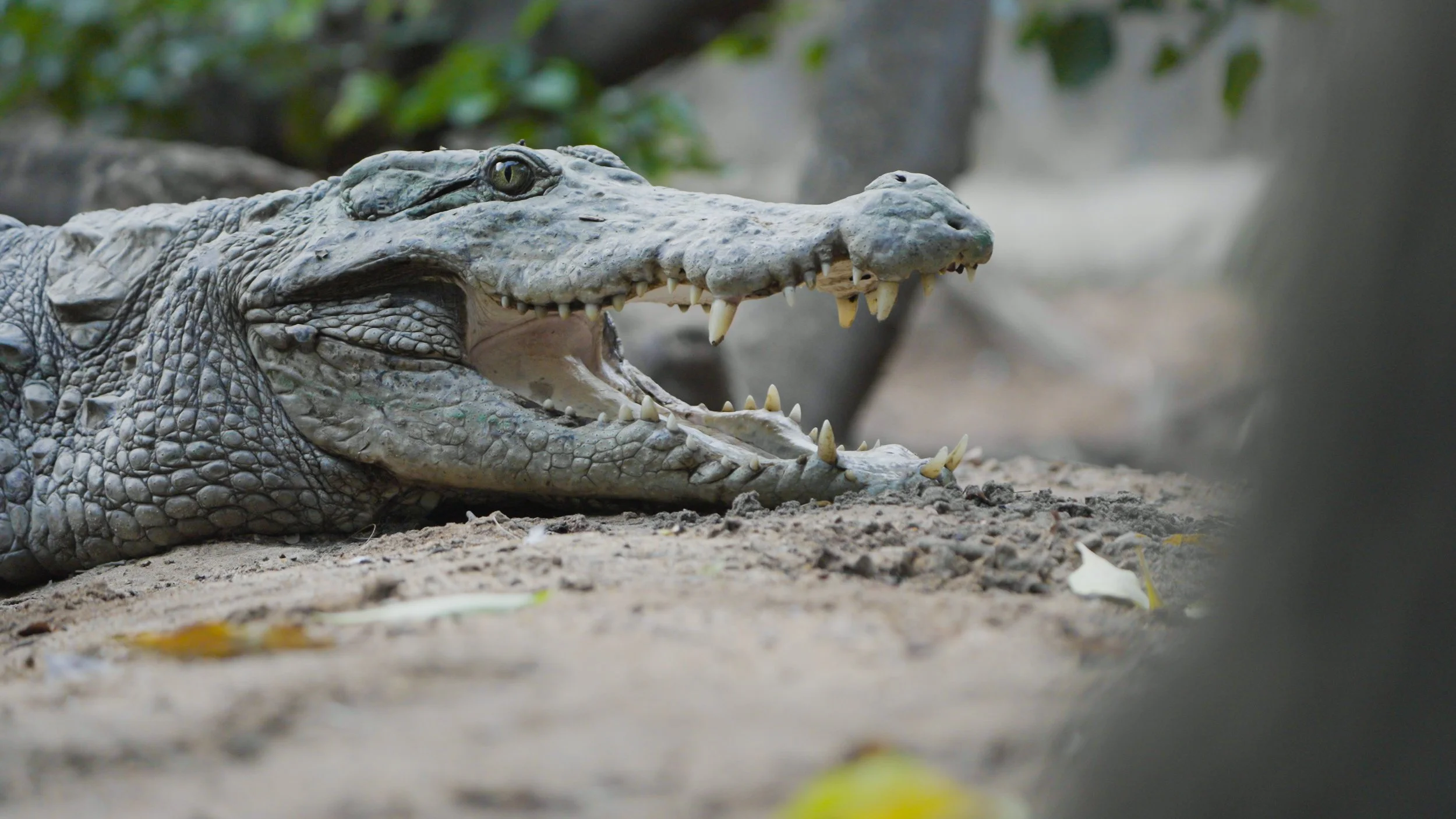
Still from the film Phir Bhi.
I first saw the short documentary, Phir Bhi (Even So), while attending the International Wildlife Film Festival (IWFF) in Missoula, MT in the spring of 2025. A feature film that I produced, The Invisible Mammal, was also screening at the festival. My primary reason for attending film festivals is to network with others in the industry, sharing ideas and establishing connections that could be beneficial down the road. But when time allows, I love having the opportunity to watch films. Many of the films that screen at events like IWFF never make it onto a mainstream distribution platform, so these festivals provide a unique opportunity to watch independent documentaries that can’t be seen anywhere else.
Phir Bhi (Even So) was part of a shorts block at IWFF in 2025, so it was playing alongside a group of other short films at the festival. I knew nothing about the film when I walked into the screening, and was very pleasantly surprised. Phir Bhi (Even So) stood out to me because it acknowledged the complexity and the nuance surrounding wildlife conflict issues. It’s hopeful, but realistic, and that’s an incredibly tricky balance to pull off in a wildlife documentary.
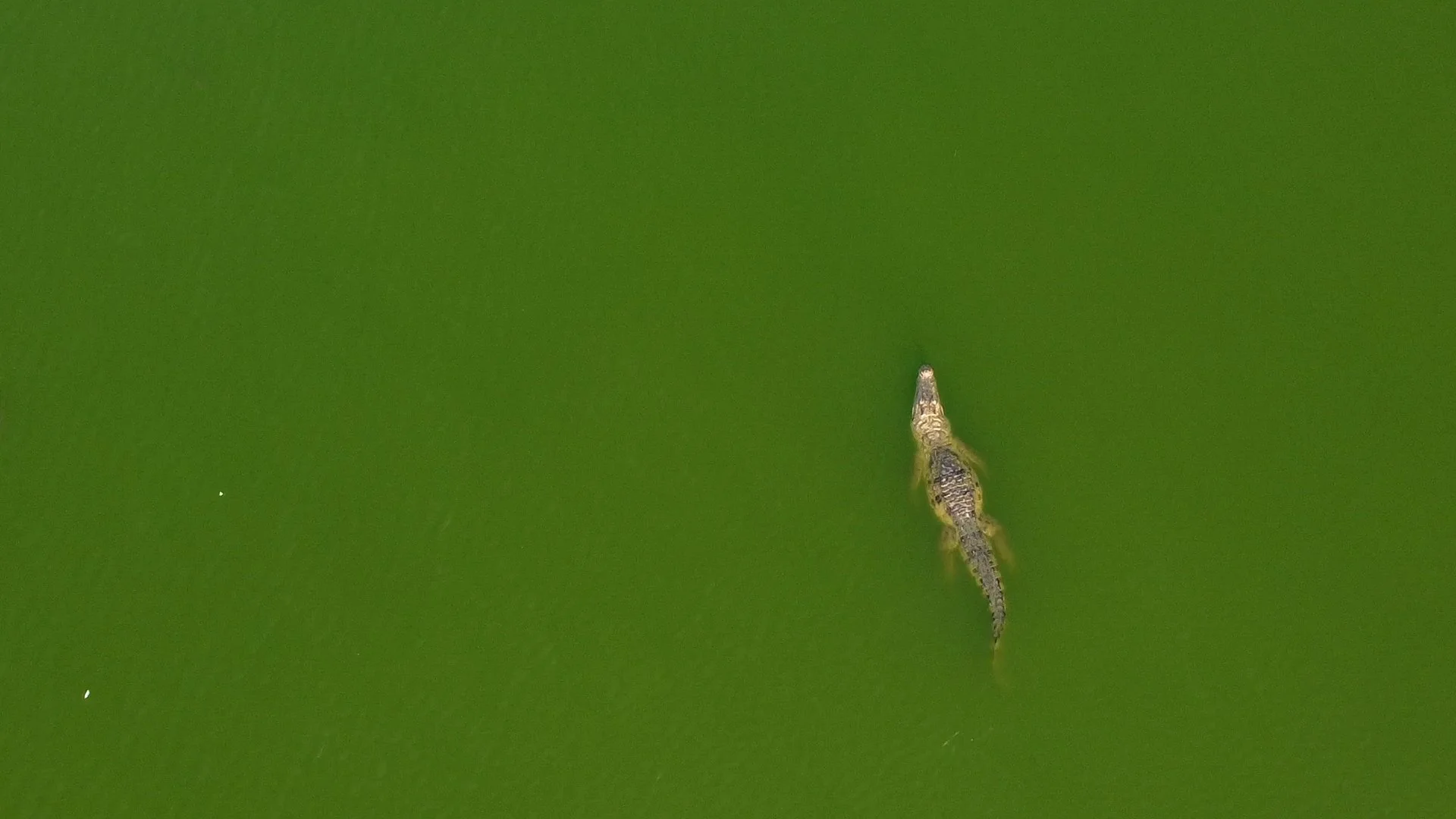
Still from the film Phir Bhi.
Phir Bhi (Even So) is about the relationship between a population of mugger crocodiles and the human community of Charotar in India. Unlike other communities in India, which face regular and often deadly conflict with crocodiles, there is a fragile truce in Charotar between the people and the crocs. Filmmaker Meghna Nandy investigates the complexity surrounding this truce by following locals who fish alongside crocodiles, as well as folks who are monitoring the crocodile population. Ultimately, the story is about more than just the human-crocodile relationship - it’s about the broader relationship that the people have with the land and ecosystems of Charotar.
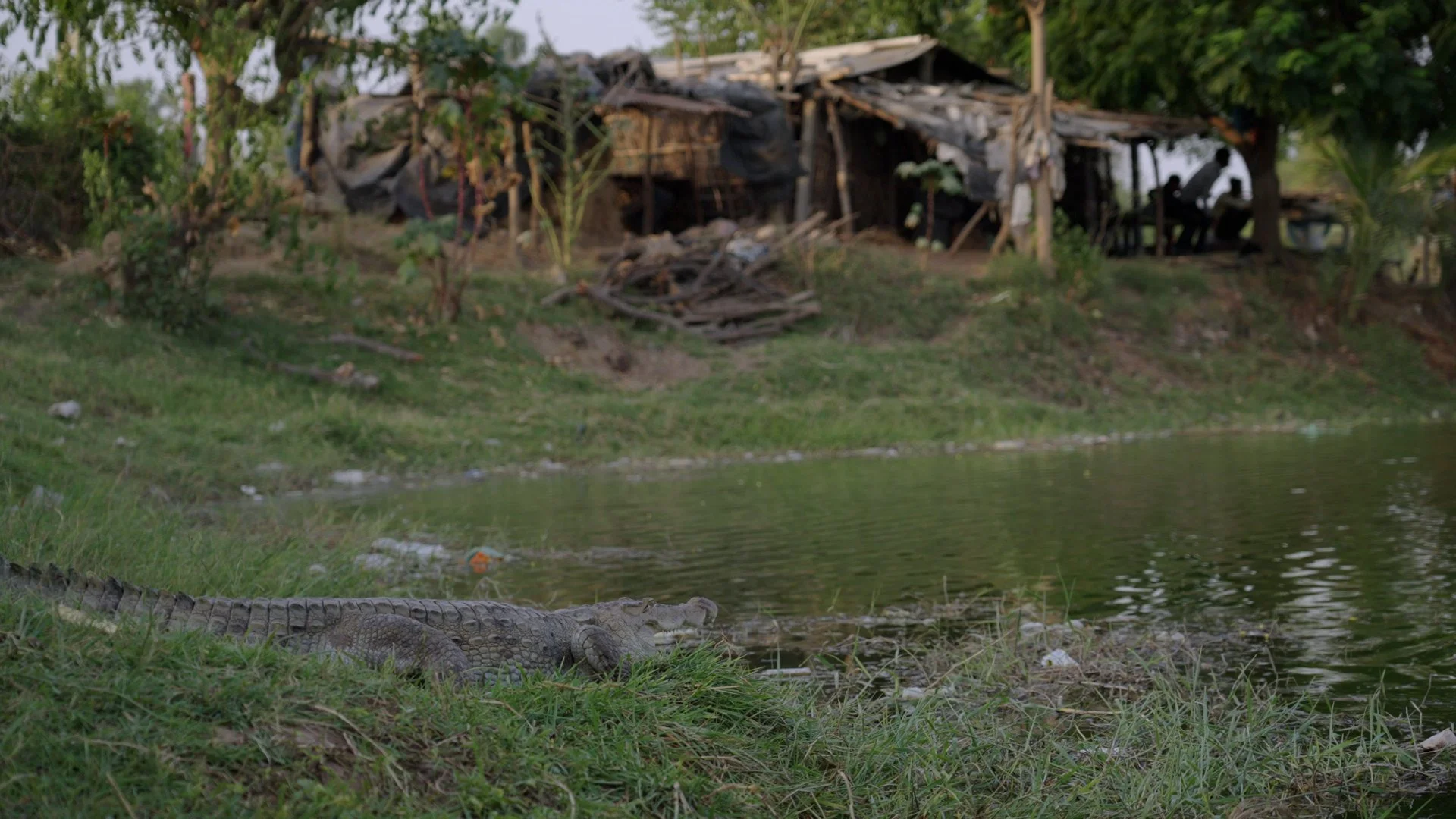
Still from the film Phir Bhi.
Although I live far away from Charotar and have never visited India, I found a hopeful and relatable story embedded within this film. The western US is also a hotbed of controversy over human-wildlife conflict, and I live near one of the epicenters of these contentious debates - Idaho. Here in Idaho, wolves were reintroduced in the 90s against the wishes of many of the state’s residents. While there are many differences between the crocodiles of Charotar and the wolves of Idaho, the throughline is the complexity of the human-wildlife relationship in both situations. There are no easy answers, and it takes a whole lot of cooperation and understanding to find workable solutions.
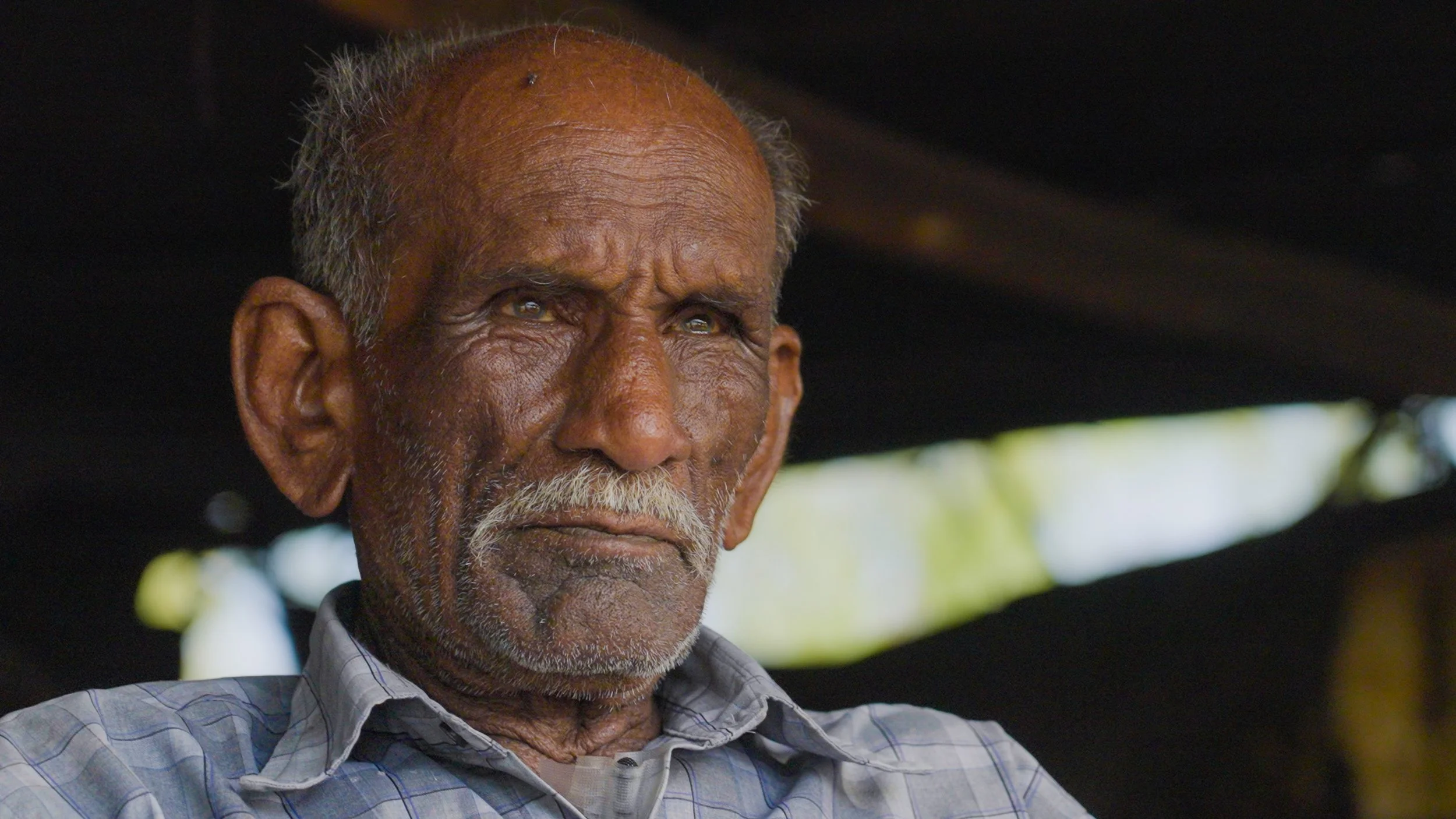
Mahendra Bhai, an 83-year-old fisherman from Charotar, India.
One moment from Phir Bhi (Even So) that stood out to me as particularly meaningful, was when an 83-year-old fisherman featured in the film explained how the crocodile population had grown over time. Despite the fact that this individual grew up in Charotar at a time when there were no crocodiles, he supports their continued presence and sees them as the guardians of the community. This is the lesson that I think many Idahoans should take to heart. Even though wolves weren’t present on the landscape when many long-time Idaho residents were growing up, that doesn’t mean that they aren’t playing a beneficial role on the land today. Change is inevitable, especially in a modern world driven by dramatic changes in climate. We need to learn how to live with change, and how to embrace the changes that add diversity, complexity, and richness to our shared ecosystems.
If you haven’t already, I’d highly recommend watching Phir Bhi (Even So), now streaming on the Wild Commons YouTube channel!