Where Lions Once Were | Wild Commons
For centuries, the Chonyi sub-tribe of the Mijikenda people have lived alongside Cha Simba - an ancient limestone outcrop on the Kenyan coast. For Ibrahim, his mother Millicent, and their family, the caves are home, heritage, and livelihood all at once. They have spent years restoring the deforested land around them, rebuilding what was lost.
Now an incoming mine threatens to undo all of it.
Where Lions Once Were is a short documentary guided by Ibrahim and Millicent - a portrait of a place, a family, and a fight to be heard. It's a story about what communities stand to lose when decisions about their land are made without them, and why the voices of those who live closest to nature matter most when it comes to protecting it.
Watch Where Lions Once Were, a powerful short documentary following one Kenyan family’s effort to restore the forests of Cha Simba while defending their home, heritage, and future from an encroaching cement mine.
Some places are difficult to describe because they are more than landscapes. They are history, identity, and memory woven together over generations.
On Kenya’s coast, the limestone caves of Cha Simba are one of those places.
For centuries, the Chonyi people, one of the nine Mijikenda communities, have lived alongside these caves. The forests surrounding them have provided food, medicine, building materials, and spiritual connection. Families have passed knowledge of this landscape from one generation to the next, creating a relationship with the land that cannot be separated from the people themselves.
Where Lions Once Were, directed by Boni Mbogo and Emily P. Baker, invites audiences into that relationship through the lives of Ibrahim and his mother, Millicent. Rather than telling a sweeping story about conservation from afar, the film remains grounded in the daily lives of a family working to restore the forests around Cha Simba while confronting a future they never chose.
The result is an intimate documentary about place, belonging, and the difficult reality facing many communities around the world: what happens when the landscapes that sustain people become valuable for entirely different reasons?
For Ibrahim and Millicent, restoration is not an abstract environmental project. It is an act of care.
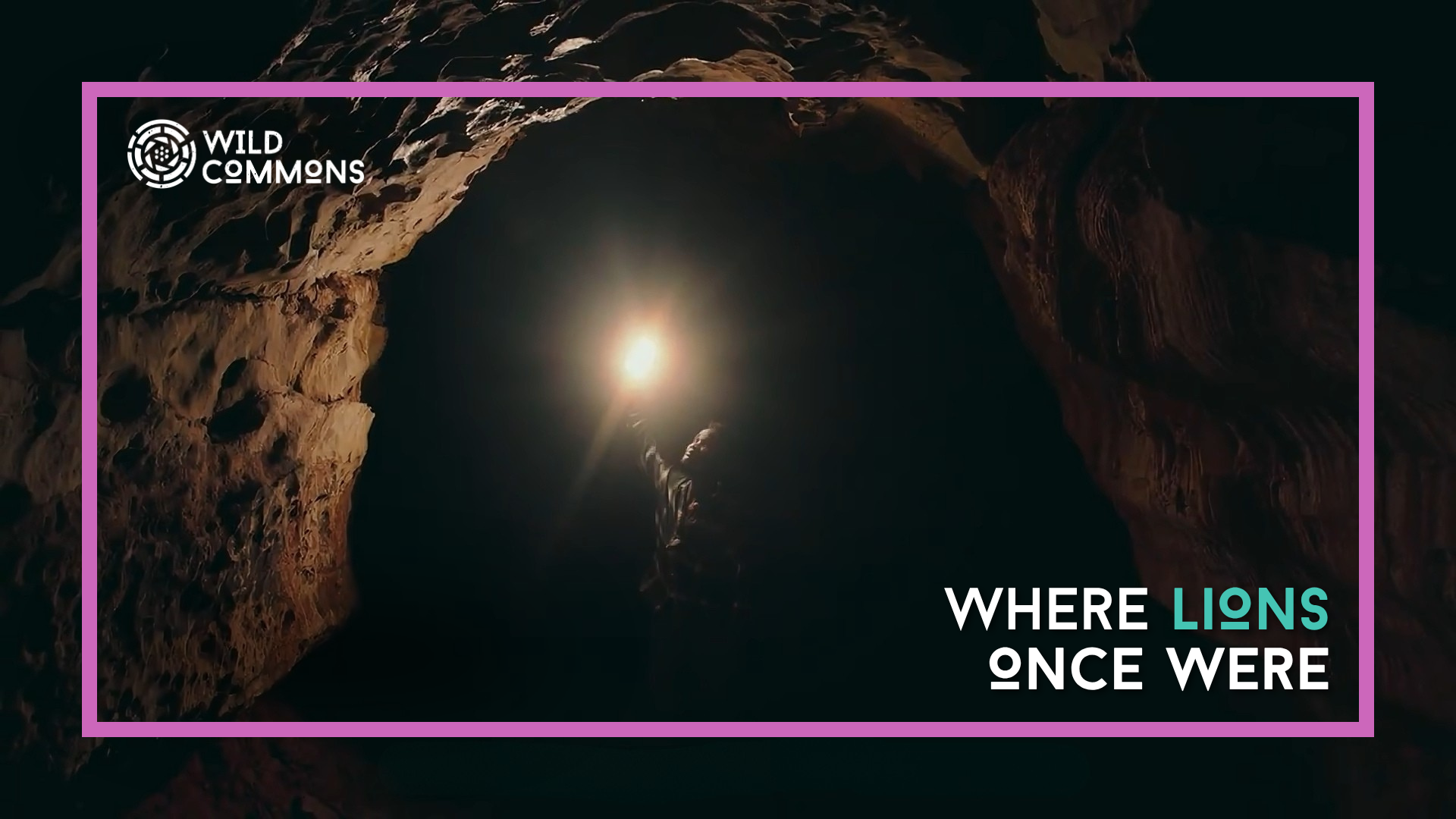
Years of deforestation have altered the landscape surrounding Cha Simba, and their family has dedicated itself to bringing native vegetation back. Every tree planted represents an investment in the future—not simply for wildlife, but for the cultural traditions and livelihoods that depend on a healthy ecosystem.
The film patiently follows this work, allowing viewers to understand conservation as something deeply personal rather than purely scientific. Restoration becomes part of everyday life, rooted in the belief that healthy landscapes support healthy communities.
That work, however, exists under growing uncertainty.
A proposed cement mine threatens to transform the area surrounding Cha Simba, raising concerns about the future of both the ecosystem and the people who depend upon it. The conflict is familiar across much of the world: development promises economic opportunity, while local communities bear the risk of losing landscapes that have sustained them for generations.
Rather than reducing this tension to simple heroes and villains, Where Lions Once Were asks audiences to consider who gets a voice when decisions about land are made. It reminds us that the people who know a place most intimately are often those with the greatest understanding of what stands to be lost.
This perspective gives the documentary its emotional strength.
The film is not built around dramatic confrontations or sweeping narration. Instead, it finds its power in observation. Conversations between family members, quiet moments in the forest, and the steady work of restoration reveal the depth of Ibrahim and Millicent’s connection to Cha Simba in ways statistics never could.
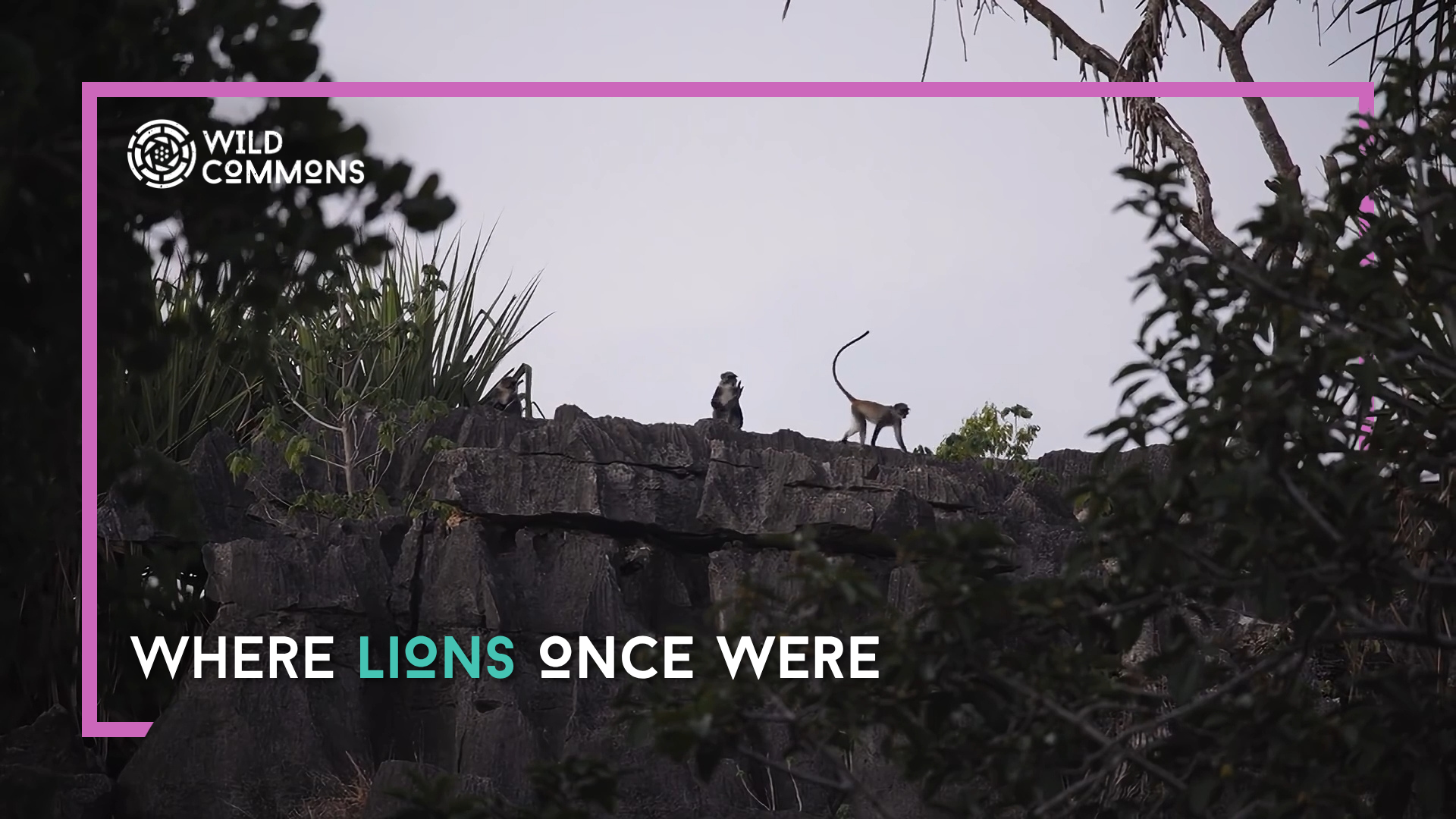
It is a reminder that conservation is ultimately about relationships—between people and place, between generations, and between the choices made today and the landscapes inherited tomorrow.
At a time when conversations about biodiversity often focus on species counts or protected areas, Where Lions Once Were broadens the discussion. It asks us to remember that ecosystems are also homes. Protecting them means protecting the cultures, histories, and communities that have evolved alongside them.
That message resonates far beyond coastal Kenya.
Across the globe, local communities are increasingly leading efforts to restore forests, protect wildlife, and safeguard cultural heritage. Their work often receives far less attention than large conservation organizations, yet it frequently determines whether these landscapes endure.
By centering Ibrahim and Millicent’s story, the film reminds us that conservation does not begin in conference rooms or government offices. More often, it begins with people caring for the places they call home.
That is what makes Where Lions Once Were such a compelling documentary.
It is not simply about a threatened cave system or a proposed mine. It is about belonging. It is about inheritance. And it is about the quiet determination required to protect something that cannot be replaced once it is gone.
As environmental challenges become increasingly global, films like this remind us that every conservation story is also a human story. They invite us to slow down, listen to the people who know these places best, and recognize that protecting nature often begins by protecting the communities that have lived alongside it for centuries.
Film Credits
Directors: Boni Mbogo and Emily P. Baker
Featured Participants: Ibrahim and Millicent
Location: Cha Simba, Kilifi County, Kenya
Courtesy of: Boni Mbogo and Emily P. Baker