A year in the extraordinary forests surrounding Ontario’s Great Lakes reveals an overlooked wilderness, where ancient trees, remarkable wildlife, and the rhythms of the seasons unfold just beyond our doorsteps. Watch Great Lakes Forest, a nature documentary exploring the remarkable biodiversity and seasonal transformations of Ontario’s overlooked woodlands. 👇
The wilderness hiding in plain sight
Some of North America’s most remarkable forests are surprisingly easy to overlook. They grow behind lakeside cottages, along suburban roads, and in the spaces between towns and highways. For millions of people living around the Great Lakes, these woodlands are part of the familiar landscape, places passed on daily commutes or glimpsed through the windows of summer homes. Yet beyond the tree line lies an intricate world of wildlife, ancient trees, and ecological relationships that have developed over thousands of years.
In Great Lakes Forest, Canadian photographer and filmmaker David Lightheart invites viewers to discover this world through the changing seasons. Filmed in the forests surrounding Ontario’s Great Lakes, the documentary follows a year in an ecosystem shaped by the meeting of northern boreal forests and southern hardwood woodlands. Here, towering eastern white pines share the landscape with broadleaf trees, colorful fungi emerge from the forest floor, and wildlife responds to the dramatic transformations of the Canadian seasons.
The result is a portrait of a landscape that feels both familiar and extraordinary. Rather than seeking out remote wilderness, Lightheart turns his attention to the forests that surround everyday life, revealing the astonishing natural history unfolding within them.
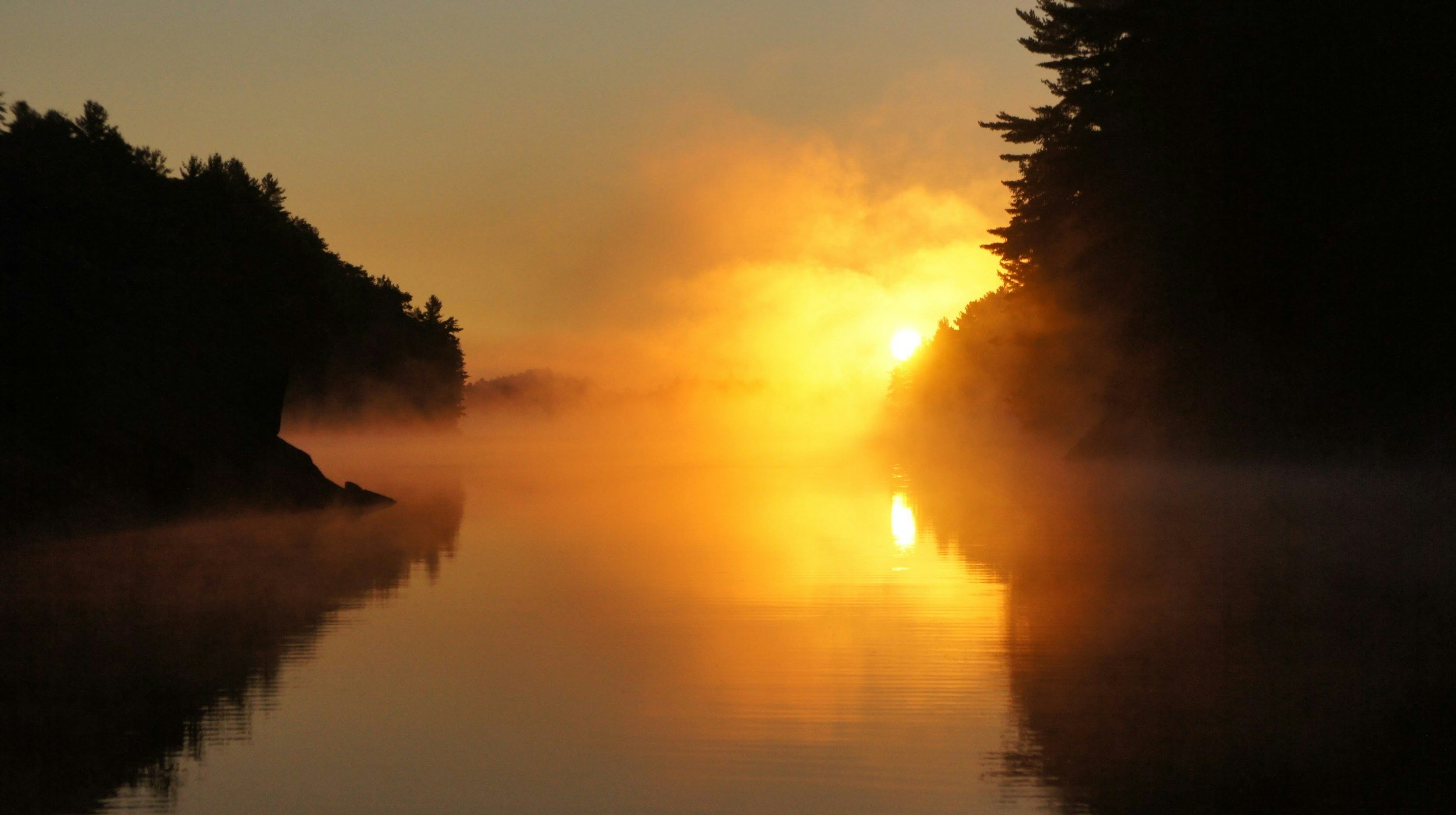
A forest shaped by water and time
The Great Lakes contain roughly one-fifth of the world’s surface freshwater, and their influence extends well beyond their shorelines. These immense bodies of water moderate local temperatures, shape precipitation patterns, and create distinctive climatic conditions that influence the surrounding forests. Across Ontario, the transition between northern coniferous forests and southern deciduous woodlands supports an extraordinary diversity of plant and animal life.
Among the region’s most remarkable inhabitants are eastern white cedars that have survived for more than a thousand years. Along the cliffs of the Niagara Escarpment, some of these trees grow from narrow cracks in exposed rock, their twisted trunks bearing witness to centuries of wind, ice, and seasonal change. Their slow growth and remarkable longevity challenge conventional ideas about what an ancient forest looks like. A tree need not tower above its neighbors to have lived through a millennium.
Elsewhere, eastern white pines rise above the forest canopy. Once among the most sought-after timber trees in eastern North America, these giants helped shape the region’s logging history. Their presence today offers a glimpse of the forests that once covered vast stretches of the Great Lakes basin.
But the ecological richness of these woodlands extends far beyond their most impressive trees. Fallen logs become nurseries for fungi and young plants, insects inhabit the spaces beneath bark, and decaying wood returns nutrients to the soil. What appears at first glance to be a quiet forest is sustained by countless interactions, many of them occurring almost entirely out of sight.
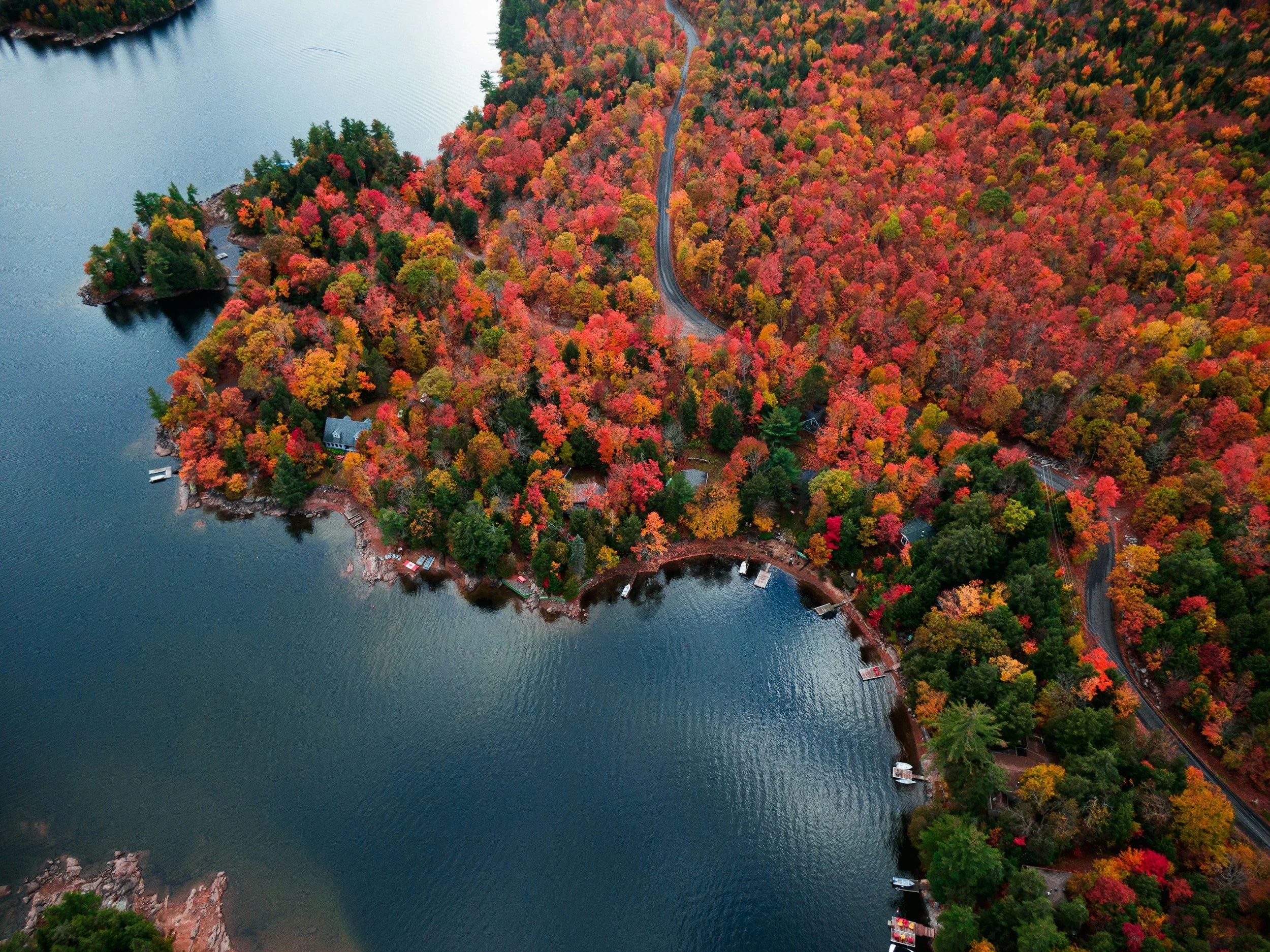
The changing lives of the forest
Throughout the film, the passage of the seasons reveals how profoundly life in the Great Lakes forests is shaped by the annual cycle of growth, abundance, preparation, and survival.
Woodpeckers search for insects hidden beneath tree bark, using specialized adaptations to locate food that other birds cannot reach. Beavers prepare for the approaching winter, gathering woody vegetation and maintaining the lodges and waterways that shelter them through the cold months. Their engineering also transforms the surrounding landscape, creating wetlands that provide habitat for other species.
Closer to the forest floor, fungi emerge in an extraordinary variety of shapes and colors. These visible fruiting bodies are only a small part of much larger fungal organisms, many of which live hidden within soil and decaying wood. By breaking down organic material and forming relationships with plants, fungi play essential roles in the health and regeneration of forest ecosystems.
As autumn gives way to winter, the forest undergoes another transformation. Deciduous trees shed their leaves, temperatures fall, and snow changes the way animals move, feed, and shelter. Some species migrate or enter periods of dormancy, while others remain active through the coldest months. Each has evolved its own response to the challenges of life in a northern forest.
By following these seasonal changes, Great Lakes Forest reveals an ecosystem in constant motion. The forest is never truly still, even when its most visible inhabitants seem to have disappeared.
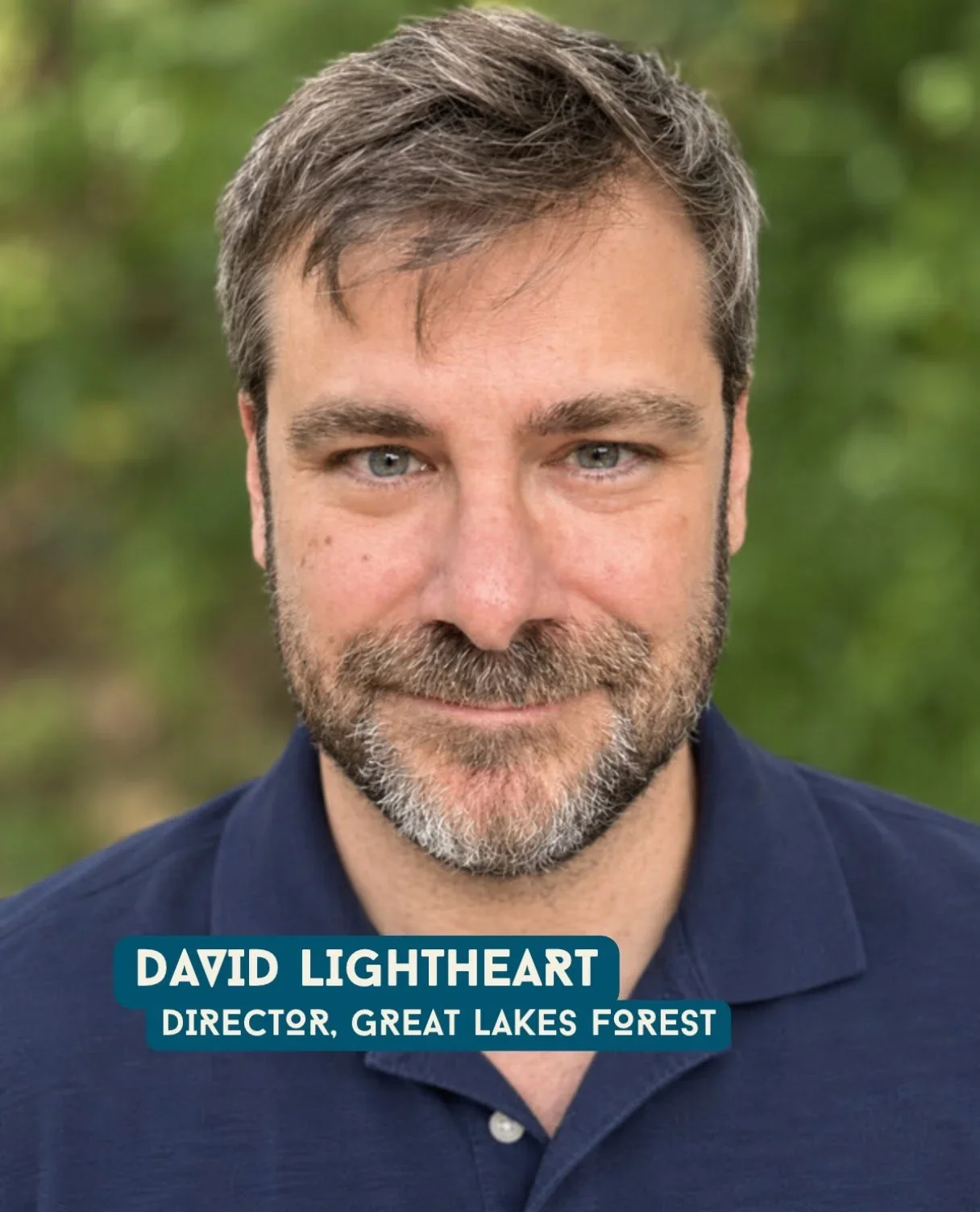
Canadian photographer and filmmaker David Lightheart
Behind the Film: David Lightheart
David Lightheart is a Toronto-based nature photographer, birder, naturalist, and documentary filmmaker whose work celebrates the wildlife and ecosystems of Southern Ontario. His photography has appeared in Canadian Geographic, and his films invite audiences to discover the extraordinary natural history of landscapes often overlooked in everyday life. With a particular interest in local biodiversity and the changing seasons, Lightheart brings an observant naturalist’s perspective to his filmmaking, finding compelling stories in the forests, wetlands, and wildlife habitats close to home.
Lightheart made his documentary debut with Southern Ontario Almanac, a short film that follows the region’s plants and wildlife through twelve months of seasonal change. The film was selected for the Northwest Black International Film Festival in 2024 and screened through Arts Etobicoke’s independent film program in Toronto in 2025. His latest documentary, Great Lakes Forest, builds on that interest in local biodiversity, exploring the ancient trees, wildlife, and ecological relationships that define Ontario’s Great Lakes woodlands. Through intimate wildlife encounters and sweeping seasonal transformations, the film reveals the richness of an ecosystem that millions of people live alongside but rarely stop to examine.
Beyond his own filmmaking, Lightheart is helping create opportunities for nature documentaries to reach wider audiences. He serves as festival director of the Nature Film Festival of Toronto, an initiative dedicated to showcasing films that deepen our understanding of the natural world. His work reflects a belief in the value of documenting familiar landscapes and making their ecological importance visible to others. Together, his photography, filmmaking, and festival work demonstrate a sustained commitment to connecting audiences with the remarkable wildlife and wild places of Canada.
Film Credits
Filmmaker: David Lightheart
Follow his work at @david.lightheart
Subject: Great Lakes forests, wildlife, biodiversity, forest ecology, seasonal change
Location: Ontario, Canada
Runtime: 22 mins
Release Year: 2026
Why this film belongs on Wild Commons
Nature documentaries have an extraordinary ability to transport audiences to distant places, from tropical rainforests to remote polar wilderness. But some of the most meaningful encounters with nature happen much closer to home.
Great Lakes Forest reminds us that biodiversity, ecological complexity, and natural beauty are not confined to protected wilderness areas or faraway destinations. They exist alongside human communities, often in landscapes we have grown accustomed to overlooking.
By bringing these forests into focus, David Lightheart offers viewers a different way of experiencing the natural world. His film encourages curiosity about familiar places and a deeper appreciation for the ecosystems that quietly sustain life around us.
Sometimes discovering something extraordinary begins with paying attention to what has been there all along.