Diving For Rays | Wild Commons
you can be what you can’t see
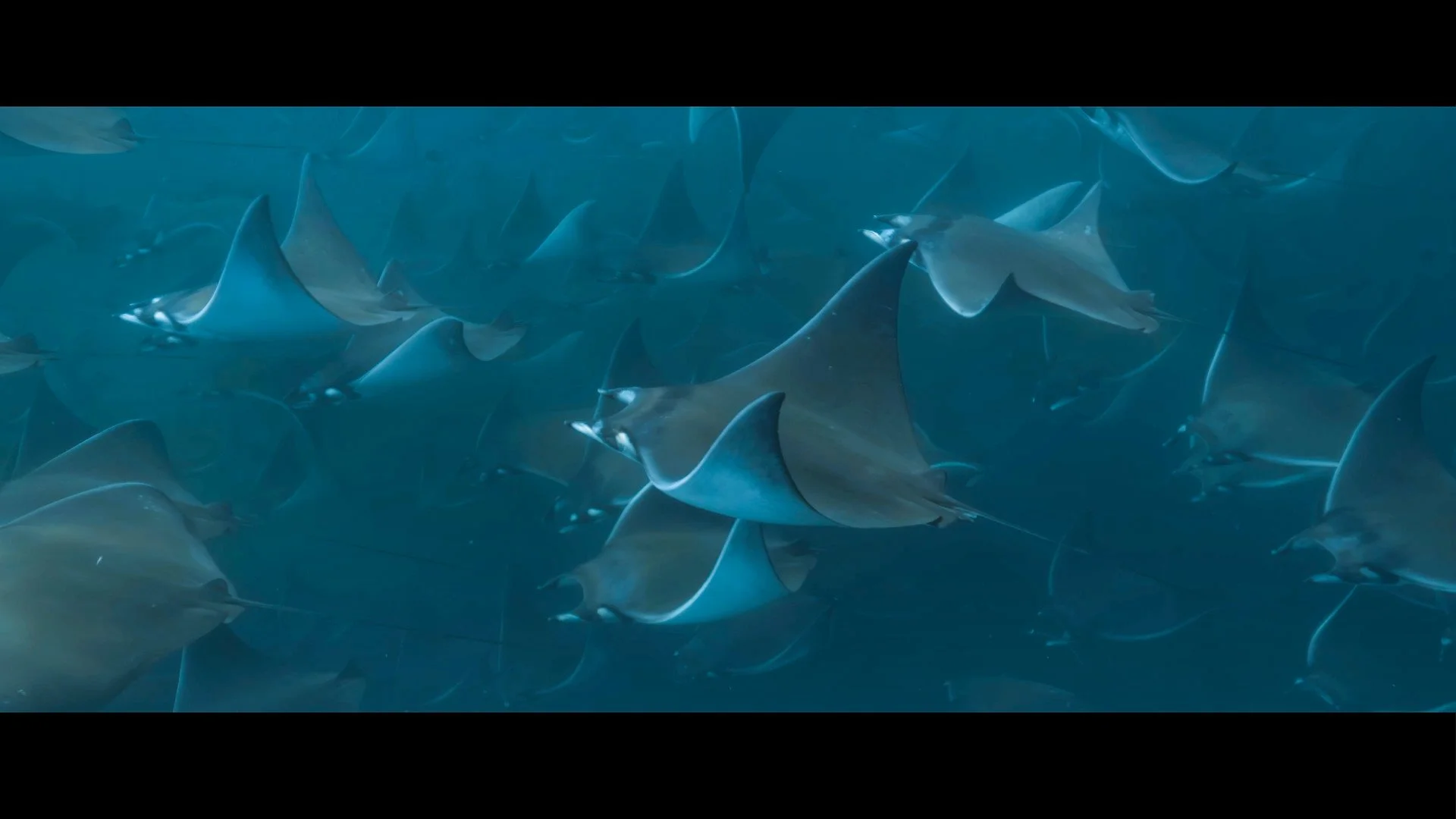
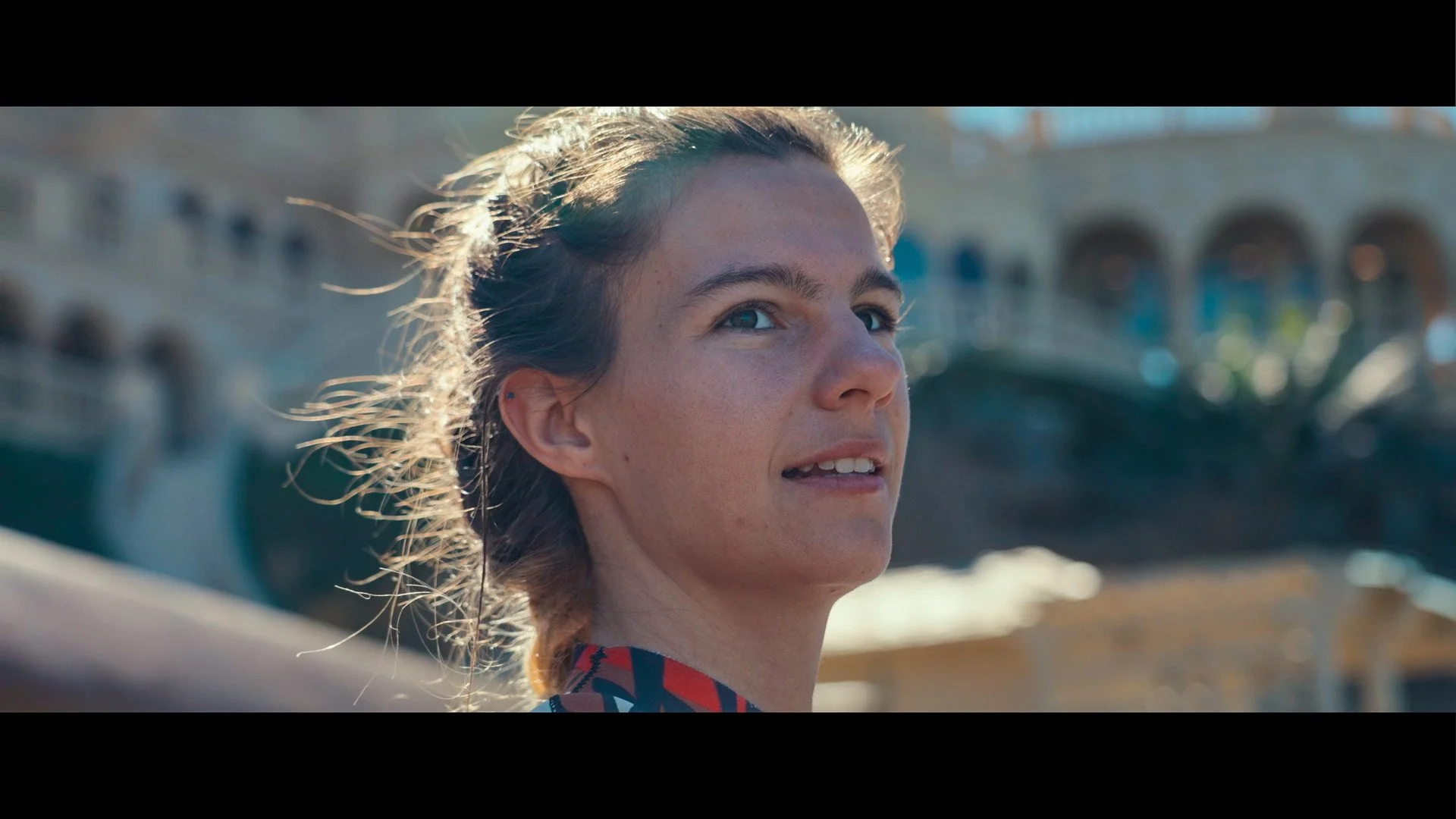
Growing up in San Diego, Nicole Woodbyrne spent her childhood in the ocean, surrounded by marine life and drawn to the quiet movement of rays gliding beneath the surface. The ocean was more than a place of curiosity—it was a place of refuge. As Nicole began to understand her identity as a queer woman, the water became a space where she could feel grounded, connected, and fully herself.
But outside of that world, something was missing. The deeper she looked into marine science and conservation, the less she saw anyone who reflected her experience. The absence of LGBTQ+ voices in the field wasn’t just noticeable—it was discouraging. Without representation, the path forward felt uncertain, and the dream she had carried since childhood began to feel out of reach.
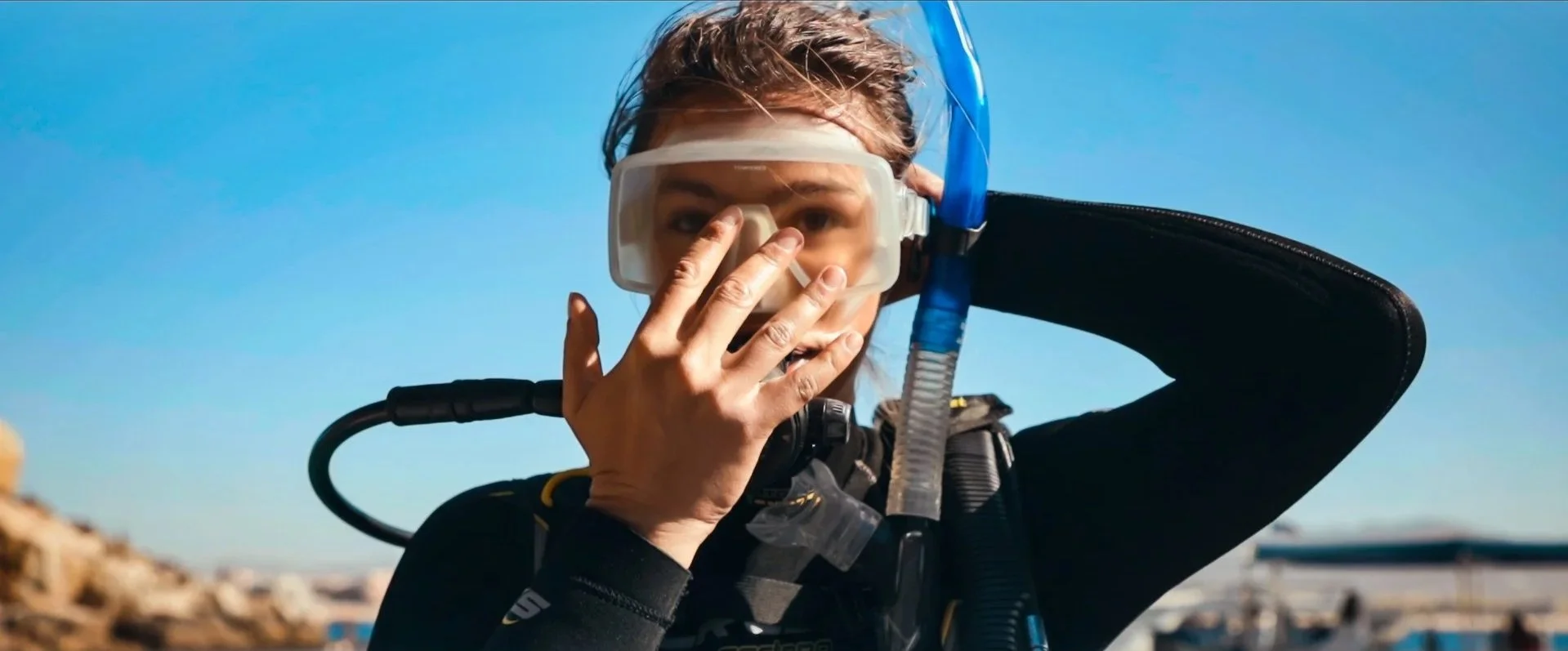
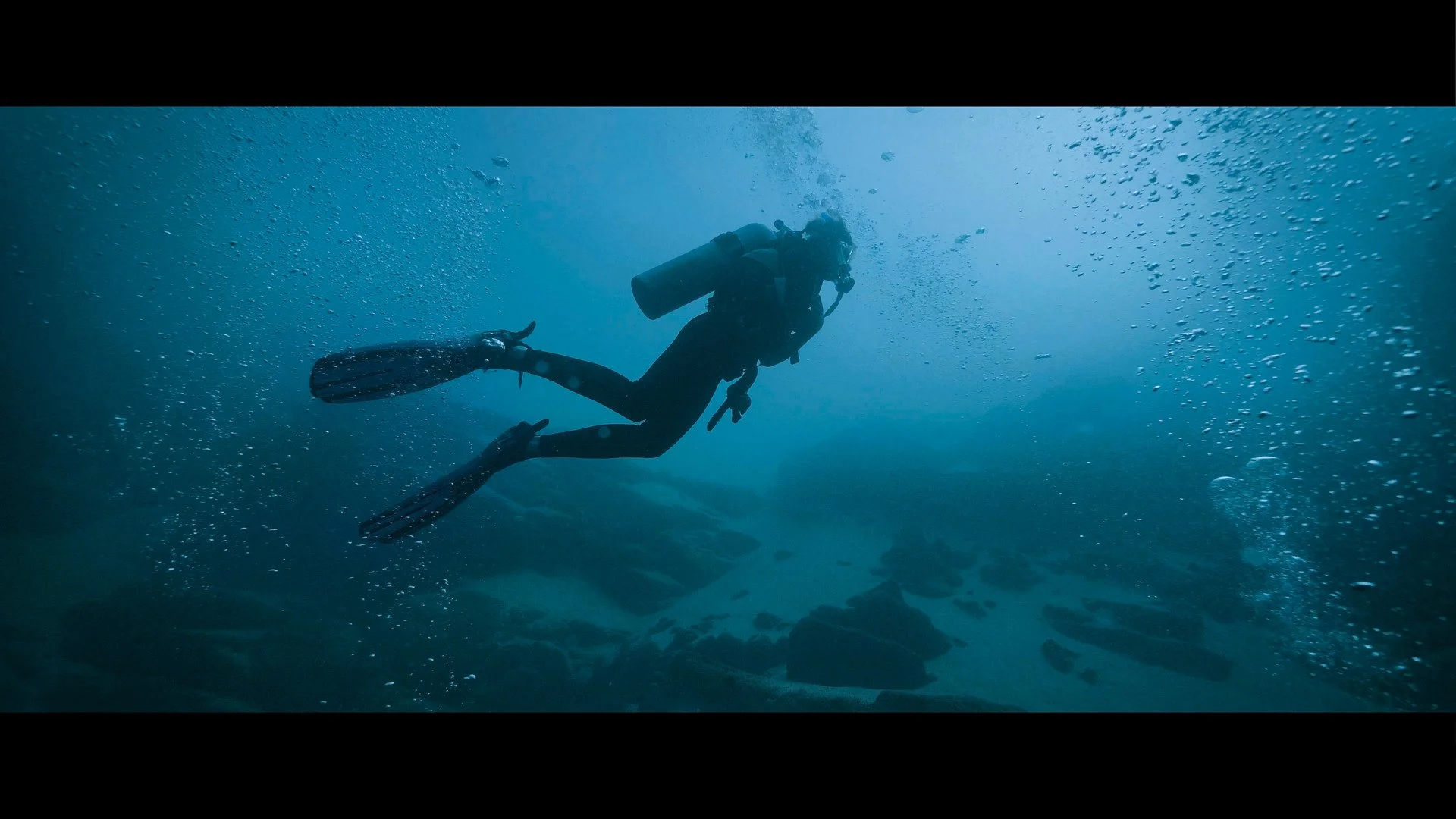
Years later, Nicole makes a decision that changes everything: if she couldn’t find herself in marine conservation, she would become that person for someone else. Diving for Rays follows her as she takes her first concrete step toward that future—getting scuba certified and entering the underwater world not just as an observer, but as an emerging scientist and storyteller.
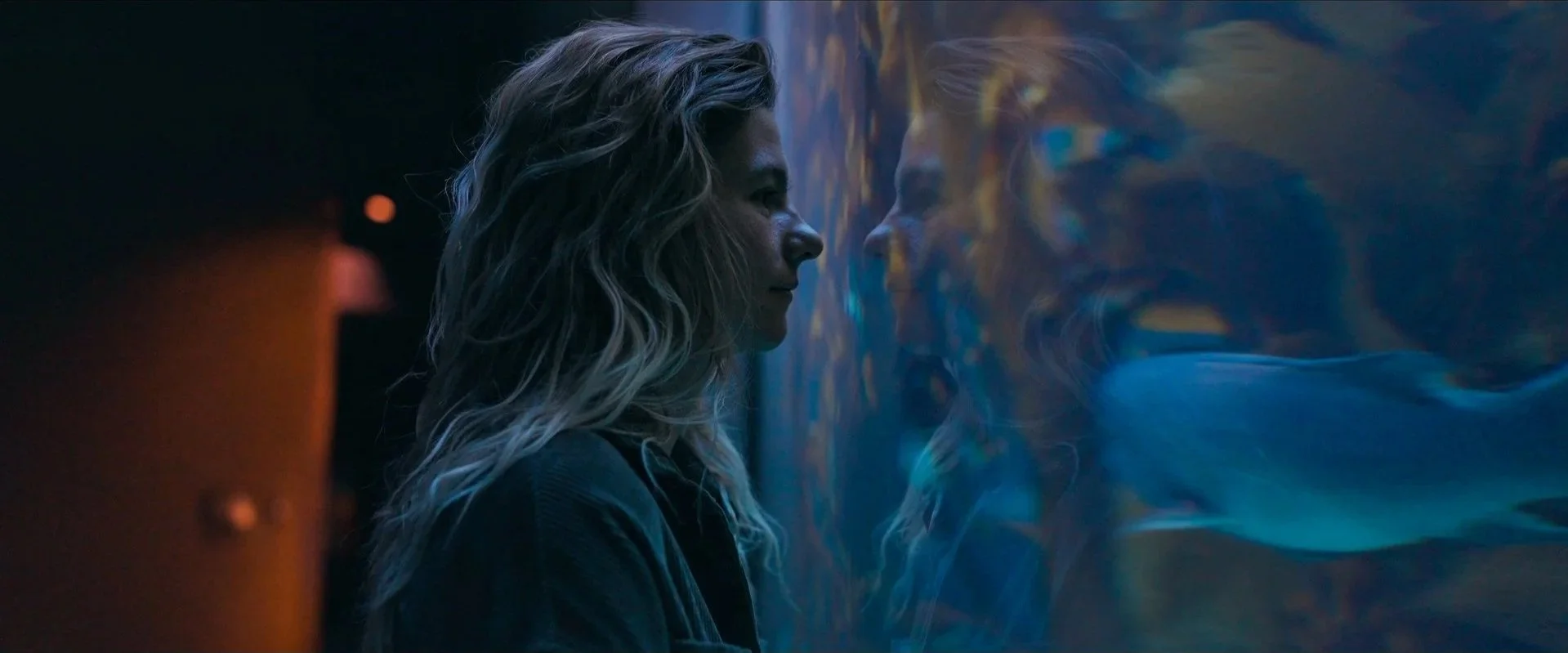
Credit: Diving For Rays
What unfolds is both deeply personal and widely resonant. As Nicole learns to dive, she also navigates questions of identity, belonging, and visibility in science. The film highlights how systemic gaps in representation can shape who feels welcome in environmental fields—and how powerful it can be when someone chooses to step into that space anyway.
At the same time, Diving for Rays is a celebration of the ocean itself. Through immersive underwater moments and quiet observation, the film reconnects us to the beauty and mystery of marine ecosystems, reminding us why these spaces matter—and who gets to protect them.
Created by Nova West and Angel Morris as their first independent film, Diving for Rays has already resonated with audiences around the world. The film soft-premiered for the Corps of Exploration alongside Robert Ballard and leadership from the National Geographic Society aboard the E/V Nautilus. It went on to screen at multiple international festivals, including the San Diego Environmental Film Festival—where it won the People’s Choice Award—as well as Thunder Bay International Film Festival, World Water Film Festival, and FilmOut San Diego.
Why this film matters
Diving for Rays makes a compelling case that representation in science is not optional—it is foundational. When entire communities are absent from the narrative of conservation, we lose not only perspectives, but potential.
This film shows how identity shapes access, and how access shapes the future of environmental work. By centering a queer voice in marine conservation, the film expands our understanding of who belongs in science. It reminds us that the future of conservation depends not just on protecting ecosystems, but on building a field where more people can see themselves—and choose to stay.