The Future of Documentary Film Distribution: Why Filmmakers Are Taking Control
For decades, documentary film distribution followed a familiar path: film festivals, sales agents, broadcast deals, and—if you were lucky—a streaming platform acquisition. But today, that model is rapidly evolving.
Independent filmmakers—especially those working in science and nature storytelling—are increasingly asking a critical question: What if we stop waiting for gatekeepers to share our films with the world?
The rise of digital platforms, creator-owned channels, and collective distribution models is reshaping how documentaries reach audiences. And in many cases, filmmakers are discovering that self-distribution isn’t just a fallback—it’s a powerful, sustainable strategy.
The TraditiOnal Model: Prestige Without LOngevity
To understand where documentary distribution is going, it’s important to understand the limitations of where it has been.
The traditional distribution ecosystem was built on scarcity. There were only so many broadcast slots, so many theatrical screens, so many acquisition budgets. As a result, access to audiences was tightly controlled by a small number of institutions—film festivals, distributors, and networks.
For filmmakers, this created a high-stakes funnel. Years of work would culminate in a handful of festival screenings, followed by the uncertain hope of a deal. After a festival run and initial release window, many documentaries simply faded from view, becoming difficult to access even for the audiences who needed them most.
For science and nature films, these limitations were even more pronounced. These stories often operate outside mainstream commercial trends. They are slower, more observational, more research-driven. They don’t always fit neatly into the categories that traditional distributors prioritize.
And yet, their relevance does not diminish over time. If anything, it grows.
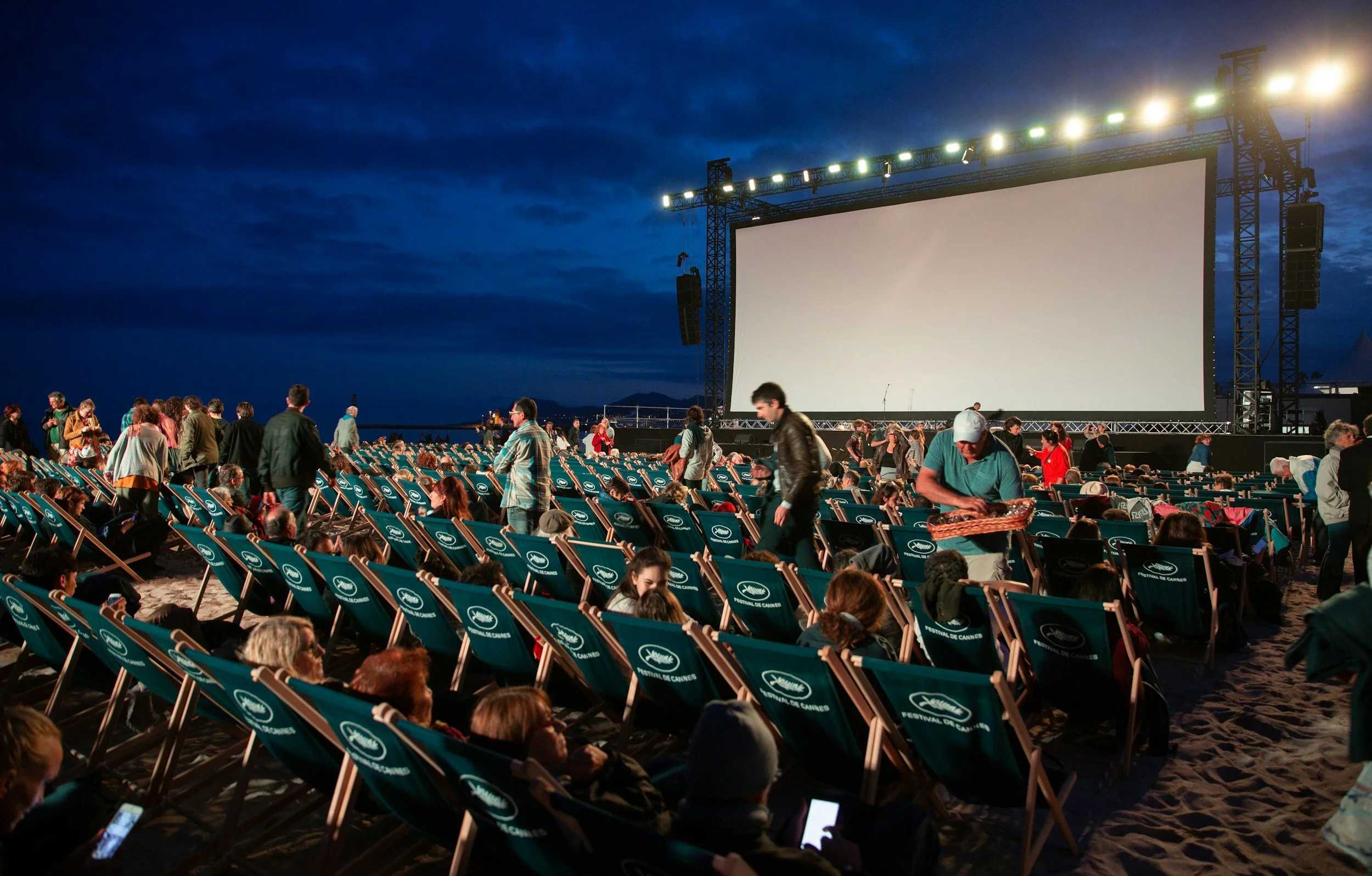
Historically, documentary distribution has relied on a small number of gatekeepers: Film festival programmers, Sales agents and distributors, Broadcast networks and streaming platforms.
The Rise Of Self-DistRibutiOn in DOcumentaRy film
What has changed in the past decade is not just the rise of digital platforms, but the removal of structural barriers that once defined the industry.
For the first time, filmmakers can reach global audiences without going through a centralized authority. Platforms like YouTube have transformed distribution from a closed system into an open one—where access is not granted by a gatekeeper, but earned through relevance, storytelling, and discoverability.
This means that a filmmaker who once depended on a distributor to reach viewers can now publish their work directly. It means that audiences interested in climate science, wildlife conservation, or ecological research are no longer limited to what a network decides to program. They can actively seek out the stories they care about.
In this environment, distribution becomes less about access and more about strategy.
Self-DistRibutiOn as a Creative and ecOnOmic Strategy
Self-distribution is often misunderstood as a last resort—a path taken when traditional options fall through. But in reality, it represents something much more powerful: a shift toward ownership.
When filmmakers distribute their own work, they retain control over how it is presented, where it lives, and how it evolves. They are not bound by fixed release windows or licensing agreements that limit future use. A film can be updated, recontextualized, or integrated into new campaigns years after its initial release.
Economically, this model also opens new possibilities. Instead of receiving a one-time fee or a small percentage of revenue after recoupment, filmmakers can build systems that generate income over time. Ad revenue, educational licensing, partnerships, and community-driven screenings all contribute to a more diversified and resilient financial model.
Perhaps most importantly, self-distribution allows films to have a long tail—to continue reaching audiences long after their premiere. This is particularly valuable for science and nature documentaries, where relevance is not tied to a release date, but to ongoing environmental and societal challenges.
Self-distribution allows films to continue reaching audiences long after their premiere.
The visibility Problem: Why Going It Alone Is Hard
And yet, for all its advantages, self-distribution comes with a critical challenge: visibility.
The internet has removed barriers to entry, but it has also created an overwhelming abundance of content. Simply uploading a film does not guarantee that it will be seen. Discoverability depends on an entirely different set of skills—understanding algorithms, optimizing for search, crafting compelling thumbnails and titles, and building an audience over time.
For many filmmakers, this is where the promise of self-distribution begins to break down. The tools exist, but the infrastructure does not. Without support, even exceptional films can struggle to find their audience.
This tension—between access and visibility—is one of the defining challenges of modern documentary distribution.
COllective DistRibutiOn: A HybRid MOdel Emerges
In response, a new model is beginning to take shape: collective distribution.
Rather than operating in isolation, filmmakers are joining shared platforms that combine the independence of self-distribution with the reach of a curated network. These platforms function not as gatekeepers, but as amplifiers—bringing together films with aligned audiences and shared values.
This approach addresses the core weakness of self-distribution without sacrificing its strengths. Filmmakers retain ownership and control, while benefiting from:
A centralized audience base
Curated credibility and quality
Shared marketing momentum
More equitable revenue structures
In essence, collective distribution reframes the question. Instead of asking, “How do I get my film onto a platform?” it asks, “How do we build a platform that works for filmmakers?”
For science and nature filmmakers, this evolution is especially significant.
These films are often created with the goal of impact rather than profit. They are designed to inform, to shift perspectives, to contribute to public understanding of complex issues. But traditional distribution models have rarely been optimized for this kind of storytelling.
Self-distribution—and more importantly, collective distribution—offers a way to align distribution with purpose.
It allows films to:
Reach audiences who are actively seeking this content
Remain accessible over time
Support the filmmakers who created them
Contribute to ongoing conversations around science and conservation
In this sense, distribution is no longer just a logistical step. It becomes part of the storytelling itself.
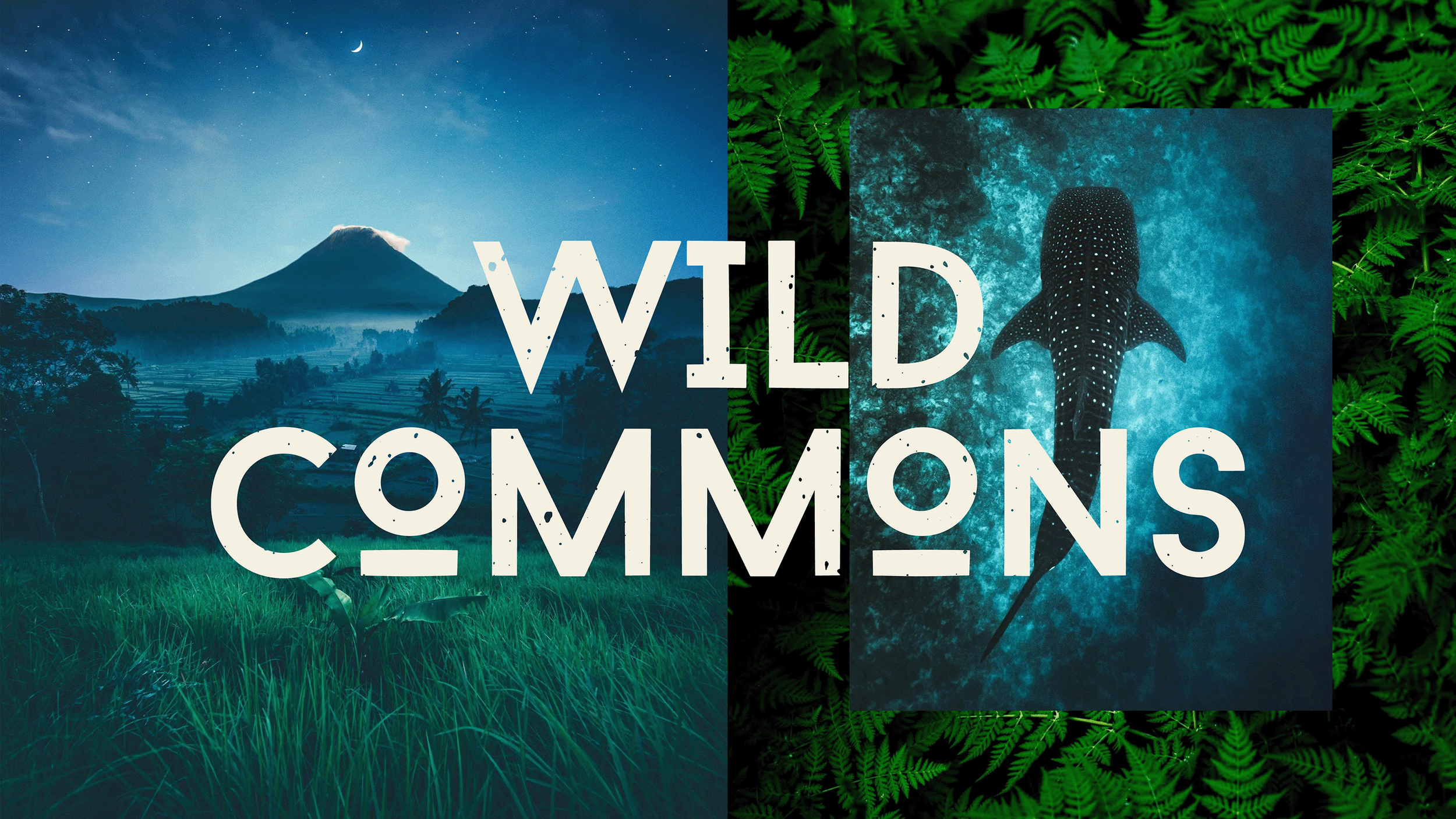
Wild Commons: Building a New Distribution Ecosystem
Wild Commons was created within this emerging landscape.
It is not simply a platform, but a response to a systemic gap—one that has long existed for independent science and nature filmmakers. By combining curated programming with a filmmaker-first revenue model, Wild Commons aims to create a sustainable home for stories that might otherwise be overlooked.
What distinguishes this approach is its emphasis on alignment. The films are not competing for attention within a general entertainment ecosystem. They are part of a focused collection of work that shares a common purpose: to explore and communicate the natural world.
For filmmakers, this means their work is presented in context—alongside other films that reinforce its relevance and reach similar audiences. For viewers, it creates a destination—a place where they know they will find thoughtful, high-quality storytelling about science and nature.
Conclusion: From Gatekeeping to Collective Ownership
Documentary film distribution is no longer defined by scarcity. It is defined by possibility.
Filmmakers today have more tools, more access, and more agency than ever before. But with that agency comes responsibility—the need to think not just as creators, but as distributors, strategists, and community builders.
The shift toward self-distribution and collective platforms is not a temporary trend. It is a structural change in how stories are shared and sustained.
For science and nature filmmakers, it represents something even more meaningful: a chance to ensure that the stories that matter most are not limited by outdated systems, but supported by new ones.
Because in the end, the goal is not just to make films.
It is to make sure they are seen—and that they continue to matter long after their release.