How to Produce and Share Your Nature Documentary (Without a Traditional Distributor)
There was a time when making a nature documentary required extraordinary access—expensive equipment, large crews, and, most importantly, the backing of a major broadcaster or studio. The genre was defined by institutions like the BBC and National Geographic, whose resources allowed them to capture the natural world at a scale few could match.
Today, the tools of production have become dramatically more accessible, and just as importantly, the tools of distribution have opened up entirely new possibilities. Independent filmmakers are no longer limited to pitching their work to networks and hoping for a greenlight. They can conceive, produce, and share their films on their own terms.
For science and nature storytellers, this shift is especially meaningful.
Many of the most urgent stories—those unfolding in local ecosystems, research sites, and underrepresented regions—are unlikely to be picked up by traditional media. But they are no less important. In fact, they are often more so.
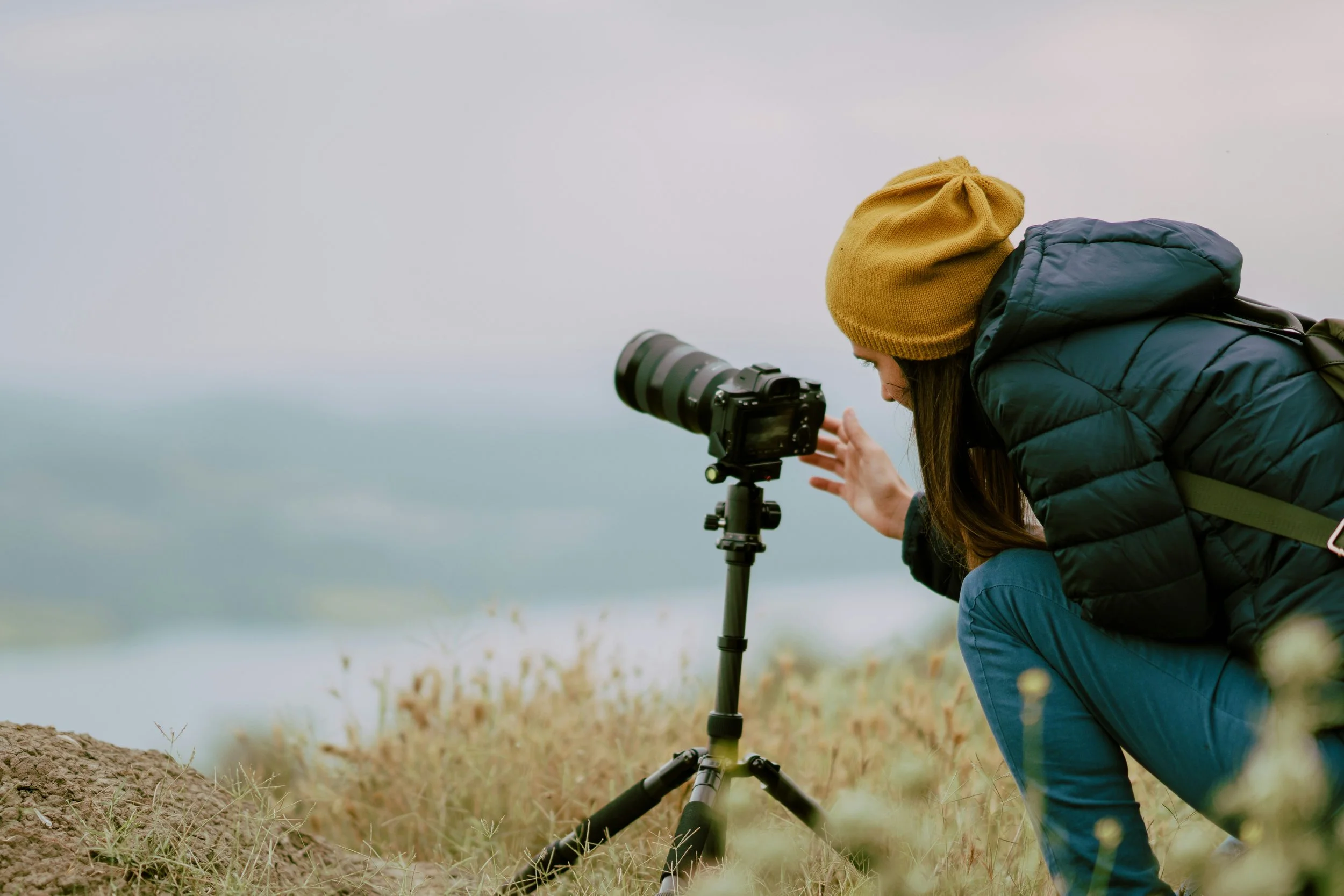
The question is no longer whether you can make a nature documentary film, but whether you can find an audience and platform to sustain the film over time.
Re-thinking the Role of the Filmmaker
To produce and distribute your own documentary today requires a subtle but important shift in mindset.
Traditionally, filmmakers have been trained to think of their role as ending at picture lock. Distribution was something that happened afterward, handled by a separate set of professionals. But in an era of self-distribution, that boundary no longer exists.
The filmmaker is no longer just a creator. They are also a strategist, publisher, and, in many ways, a community builder.
This doesn’t mean abandoning craft in favor of marketing. It means recognizing that the way a film reaches its audience is inseparable from the film itself. A beautifully crafted documentary that no one sees cannot fulfill its purpose—especially in science and nature storytelling, where the goal is often to inform, engage, and inspire action.
By integrating distribution thinking into the production process from the beginning, filmmakers can create work that is not only compelling, but also positioned for impact
Starting with StOry: Specificity Over Scale
One of the most persistent myths in wildlife filmmaking is that bigger is better—that compelling nature documentaries require exotic locations, rare species, or large-scale spectacle. In reality, the most resonant stories are often the most specific.
A single researcher studying a threatened species. A local ecosystem undergoing change. A community navigating its relationship with the natural world. These stories may not appear cinematic at first glance, but they carry something more valuable: intimacy and relevance.
Independent filmmakers are uniquely positioned to tell these stories because they are not bound by the expectations of mass-market programming. They can spend time in places that would otherwise be overlooked. They can follow narratives that unfold slowly, with nuance and complexity.
And crucially, these are the kinds of stories that audiences are increasingly seeking out, particularly online, where depth and authenticity often outperform spectacle.
Designing a Lean, IntentiOnal Production
Working independently often means working with constraints—smaller budgets, smaller crews, tighter timelines. But these constraints can be a creative advantage.
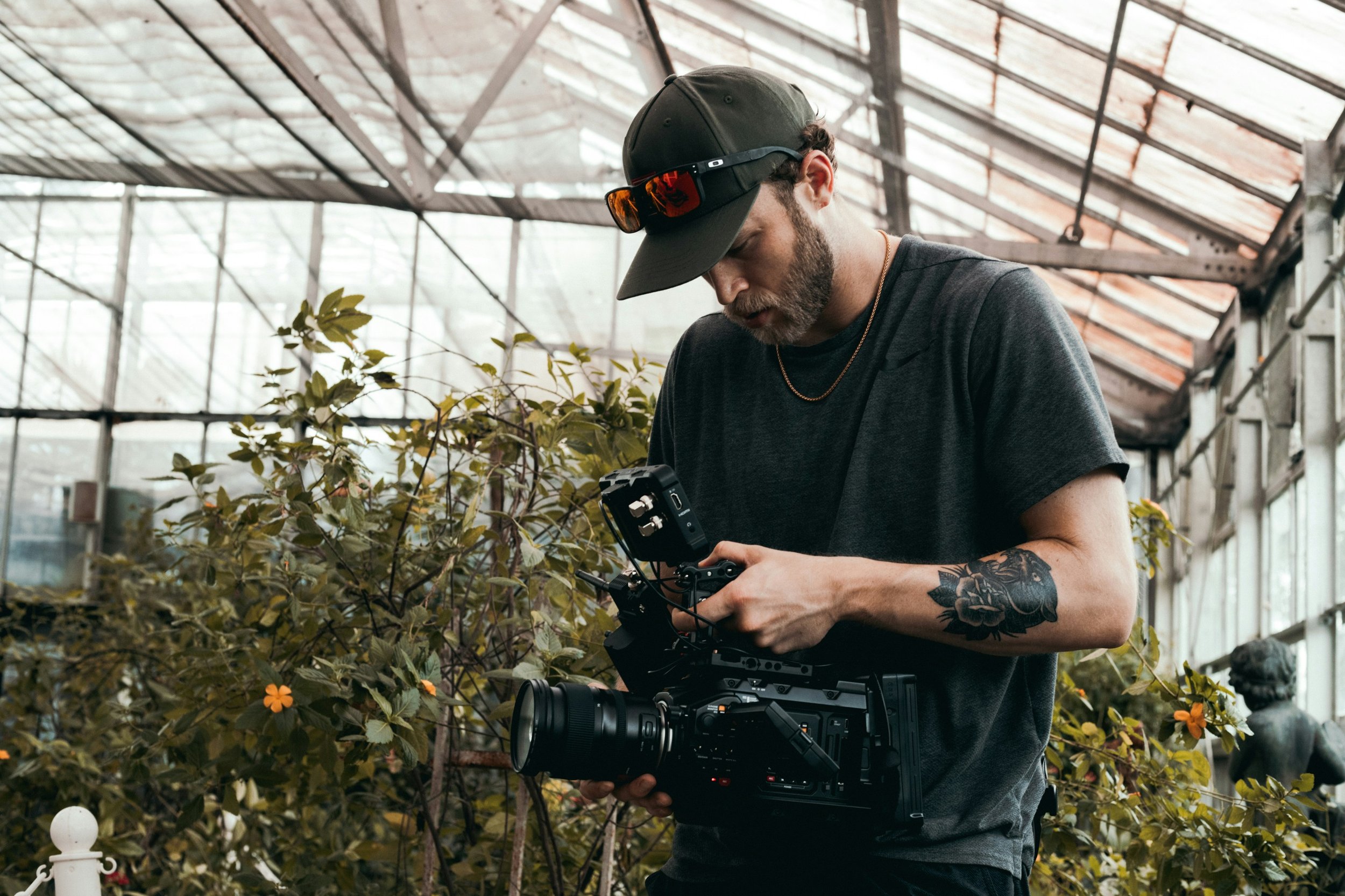
A lean production approach allows filmmakers to be more adaptive, more responsive to unfolding events, and more embedded in the environments they are documenting. Lightweight camera systems, natural light, and minimal crew footprints are not just cost-saving measures—they can also create a more immersive and authentic visual language.
This is especially important in nature filmmaking, where presence can alter behavior. A smaller footprint can mean the difference between observing a moment and missing it entirely.
At the same time, intentionality becomes critical.
Without the buffer of a large production infrastructure, every shoot day requires a clear understanding of the story, the characters, and the key moments that will carry the narrative forward.
Distribution Begins During Production
Perhaps the most significant shift in independent documentary filmmaking is the recognition that distribution does not begin after the film is finished. It begins during production.
Digital platforms like YouTube offer unparalleled reach. A well-positioned film can find a global audience, generating both visibility and revenue over time. But reach alone is not enough. Context matters.
A film released into a general platform ecosystem is competing with everything—from entertainment content to short-form media designed for quick consumption. Without the right framing, even a strong documentary can struggle to find its audience.
This is where strategy becomes essential. Titles, descriptions, thumbnails, and timing all play a role in how a film is discovered. But beyond that, placement matters.
Being part of a curated environment—where audiences are already primed for a certain kind of content—can dramatically increase a film’s chances of success.
You Are Not Alone: The Role of Platforms and Collectives
Self-distribution does not have to mean isolation.
In fact, one of the most promising developments in documentary film distribution is the rise of platforms designed specifically for independent filmmakers. These platforms act as both distribution channels and communities—bringing together films with shared themes, values, and audiences.
For nature and science filmmakers, this is especially valuable. Instead of competing within a broad and fragmented content landscape, their work can exist within a focused ecosystem where it is more likely to be seen, understood, and appreciated.
Wild Commons is one example of this emerging model. By curating science and nature films and returning the majority of revenue to filmmakers, it offers an alternative to traditional distribution structures that often prioritize scale over substance.
More importantly, it creates a sense of continuity. A film is not just released and forgotten—it becomes part of an ongoing collection of work that continues to attract viewers over time.
wild commons helps filmmakers reframe the question. Instead of asking, “How do I get my film onto a platform?” it asks, “How do we build a platform that works for filmmakers?”
Conclusion: A More Open Path Forward
Producing and distributing your own nature documentary is no longer an alternative path—it is becoming a primary one.
It requires a broader set of skills, a more integrated approach, and a willingness to engage with audiences in new ways. But it also offers something that traditional models rarely could: control, continuity, and the ability to build a lasting relationship between a film and its viewers.
For filmmakers working in science and nature, this shift is not just practical. It is essential! Because the stories they are telling are not confined to a single release window. They are part of a larger conversation about the world we live in and the future we are shaping. And those stories deserve to be seen—not just once, but over time.