Meet Jackson Perkins
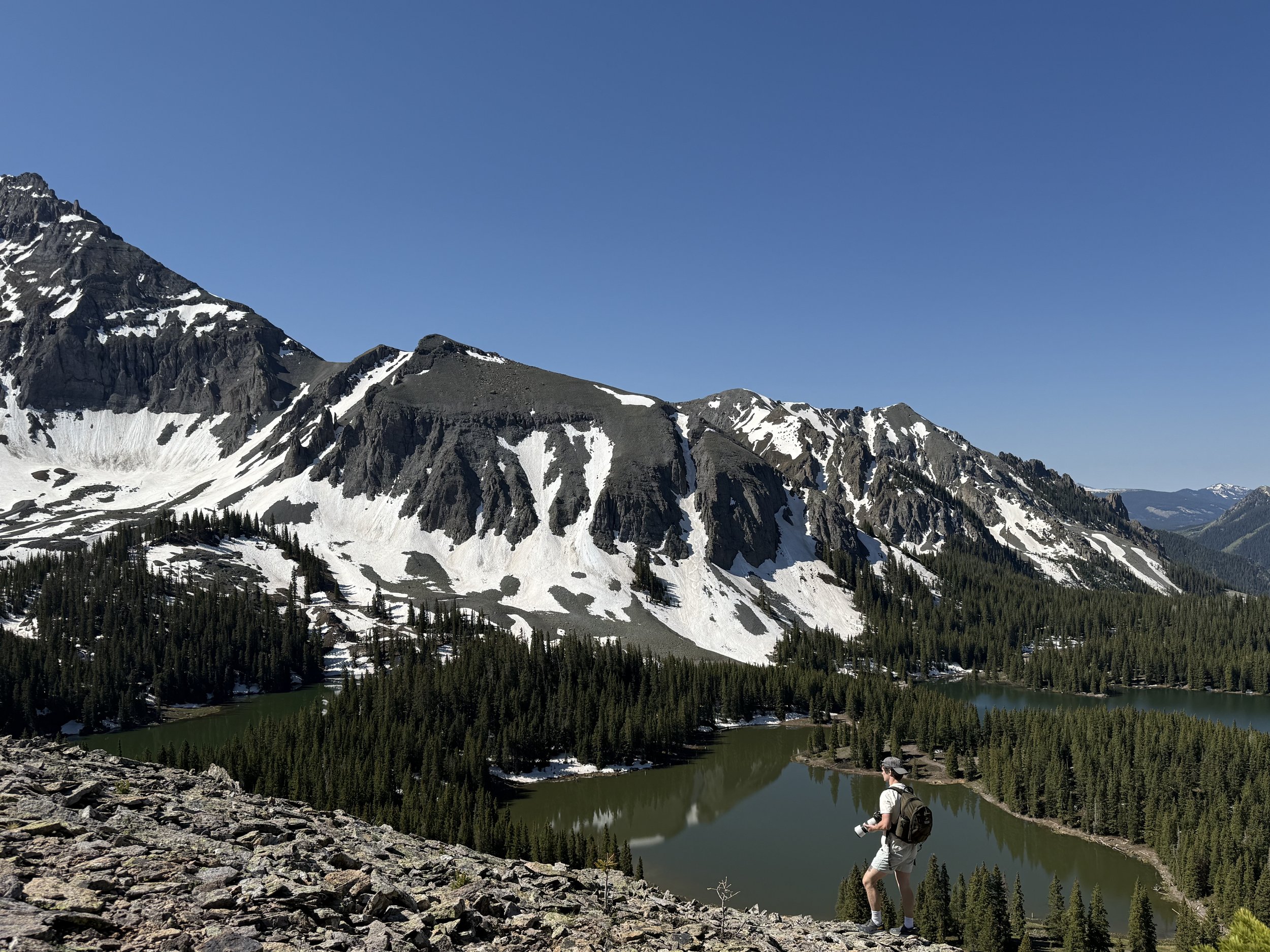
I fell in love with the world at nine years old in the Washington woods, watching Planet Earth on Grandma Sandy’s crackling box television.
Giddy the whole drive home from the Redbox outside the gas station, my life quietly changed in 480p that night. I imagined myself scaling icy cliffs with a solitary snow leopard, nesting 370 meters below Earth’s surface with a scream of white-collared swifts. Not even my five year old cousin’s chocolate chip regurgitation could dampen my enthusiasm.
Looking back, what struck me most wasn’t the sweeping cinematography or caramelly British accent; it was how deeply I cared. Here were animals from the opposite side of the world, organisms that I would likely never see in my life, and I was wholly invested in their survival.
I didn't have the language for it then, but that night showed me what stories could do. And if storytelling can shape how we feel, maybe it can influence how we act.
Years later, I followed my interest in wildlife to San Luis Obispo and a degree in Biological Science at Cal Poly. As an undergrad, I joined the Spatial Wildlife Ecology Lab, studying camera trap data to understand how livestock guardian dogs impacted local coyote populations. Collecting camera traps, identifying species, and contributing to research was a dream, but something felt missing. I thought back to those early memories and how powerfully those stories made me care.
Communicating science could feel just as important as the science itself.
I bought my first camera with money from my campus job, and added a minor in Media Arts, Society, and Technology. Rounding out my time in SLO, I picked up my camera whenever I could convince my professors that a video was worth (at least) 1,000 words of discussion posts. Positions as a videographer for our campus student organization and the Marine Conservation Lab allowed me to dive into the world of visual storytelling.
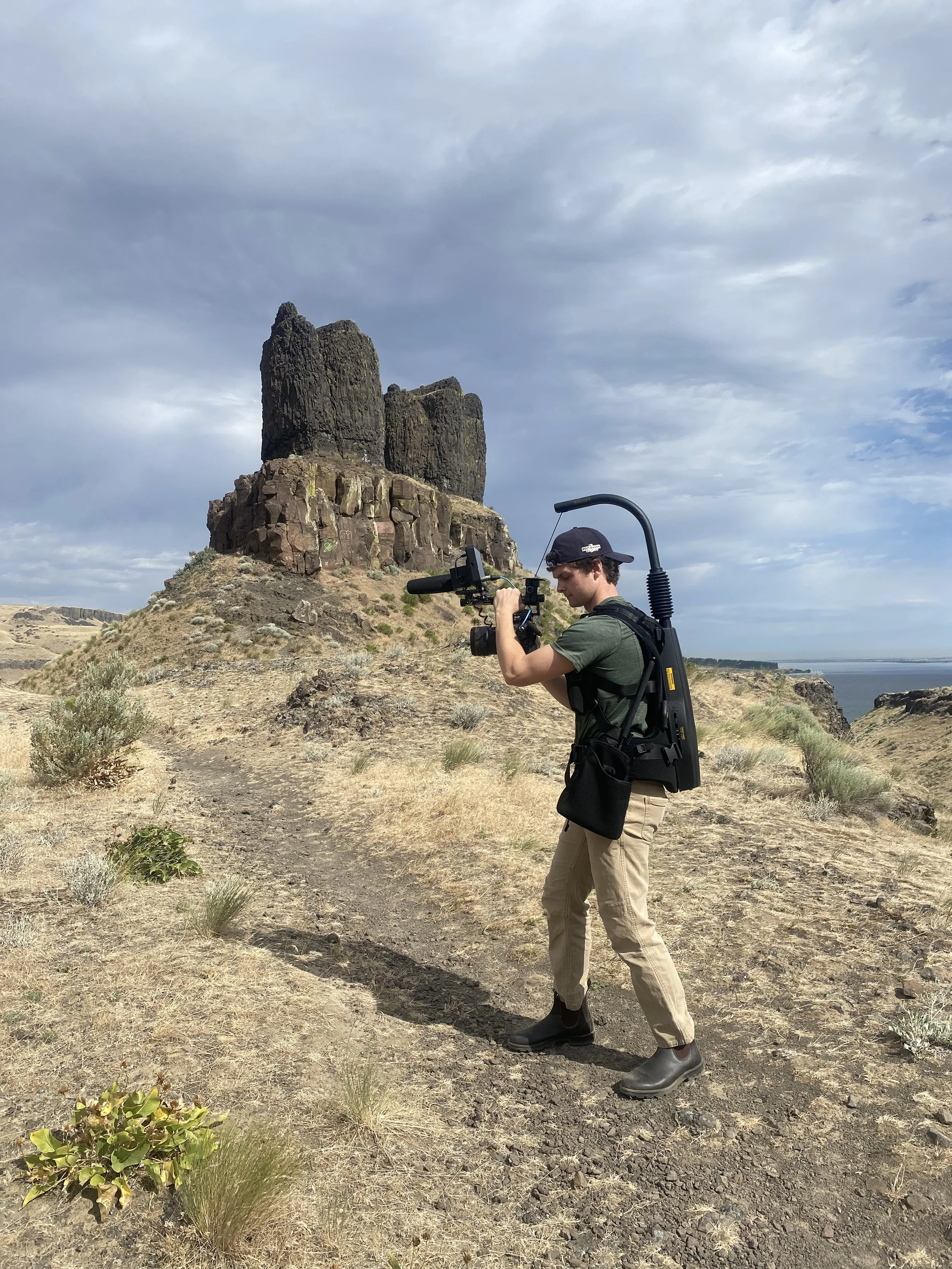
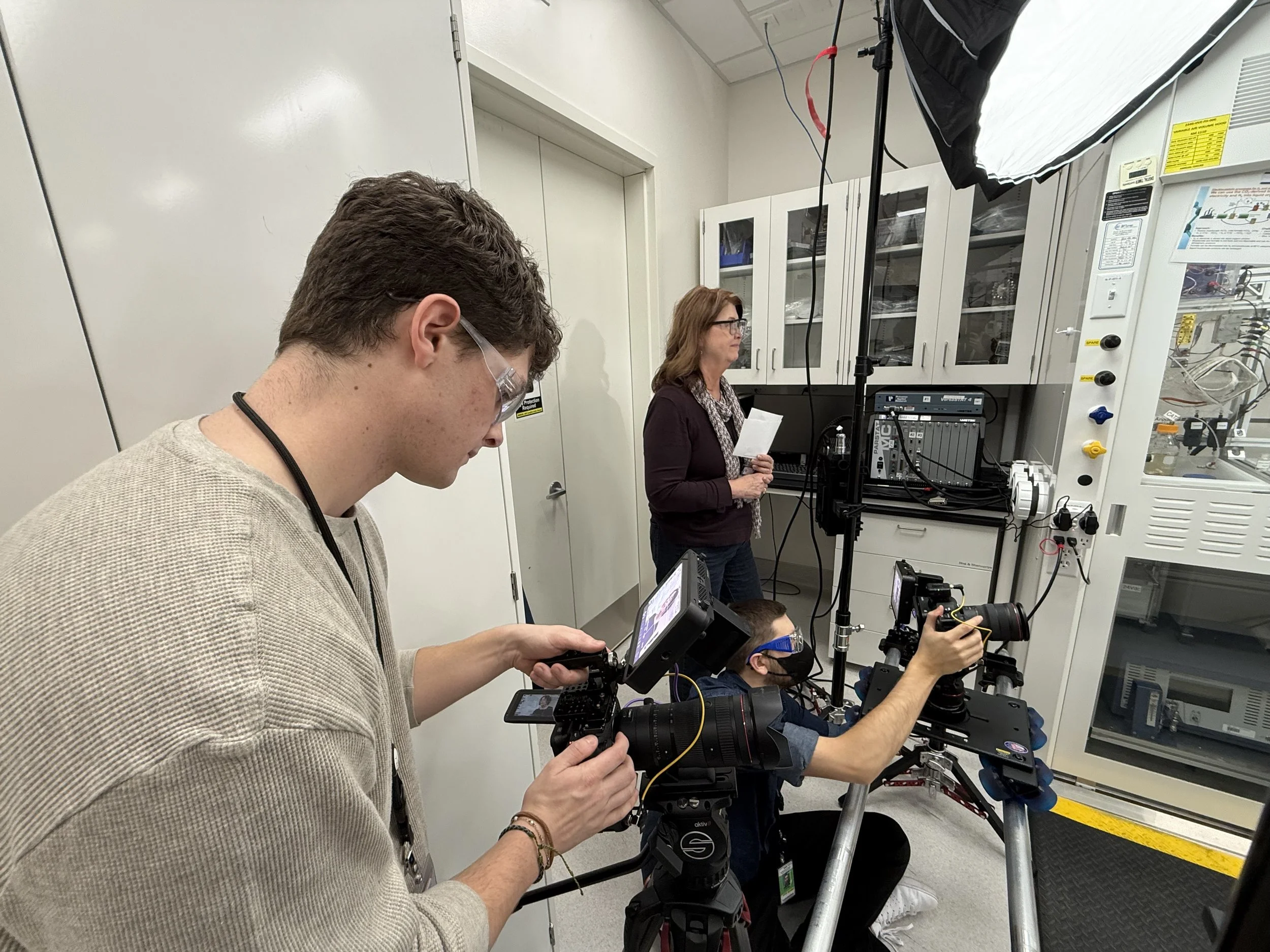
The morning after graduation, I packed all of my belongings into the back of a 2012 Toyota Highlander and drove north. Two days later, I arrived at Pacific Northwest National Laboratory for an internship with a talented team of science communicators dedicated to bringing documentary-level emotion to climate science. The summer program turned into seven months, and I learned the technical side of filmmaking: lighting, camera operation, editing, color, sound. Most importantly, I learned just how important storytelling is for communicating science.
Scientific discovery only changes the world if we understand it, value it, and choose to act on it.
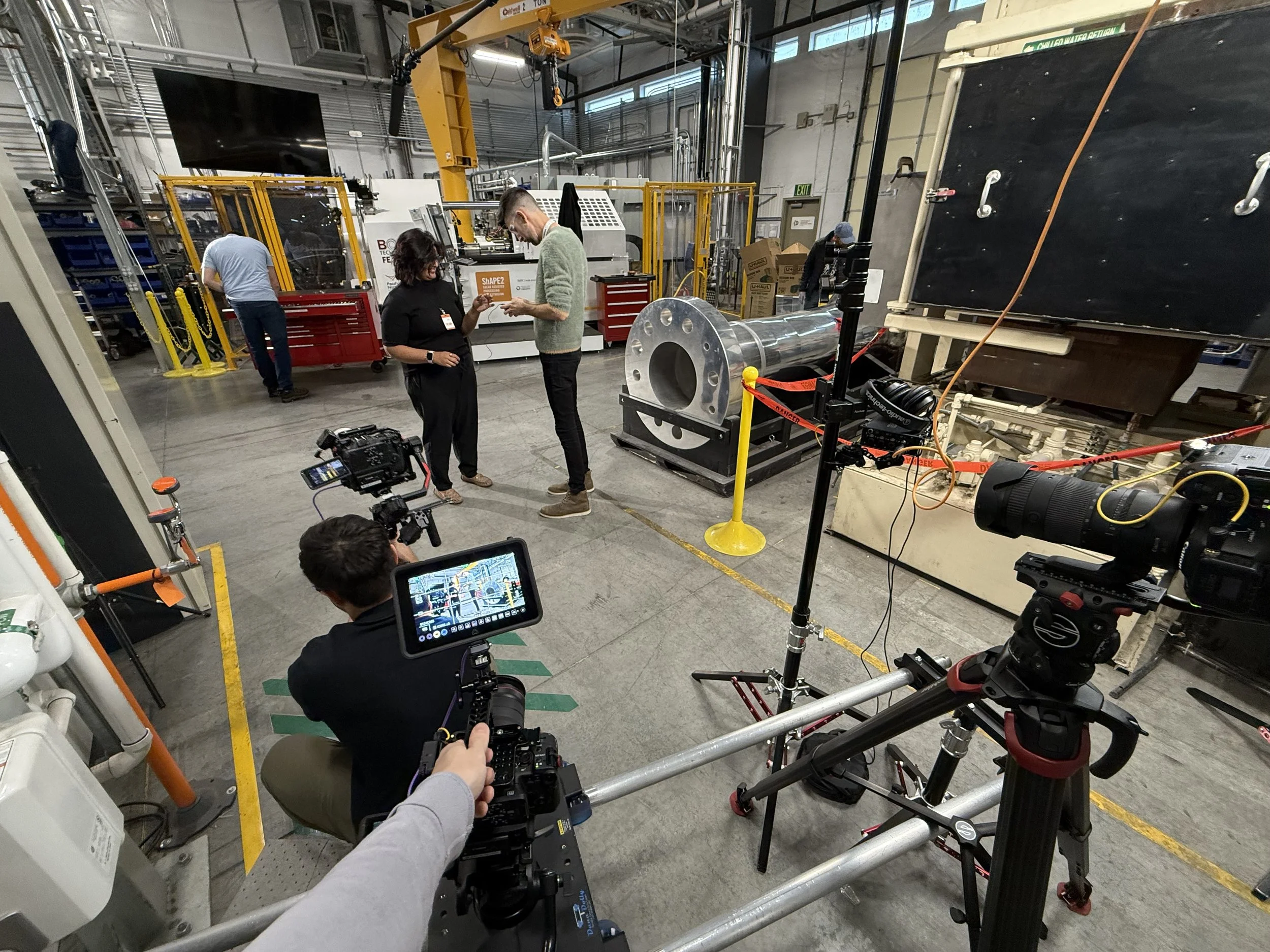
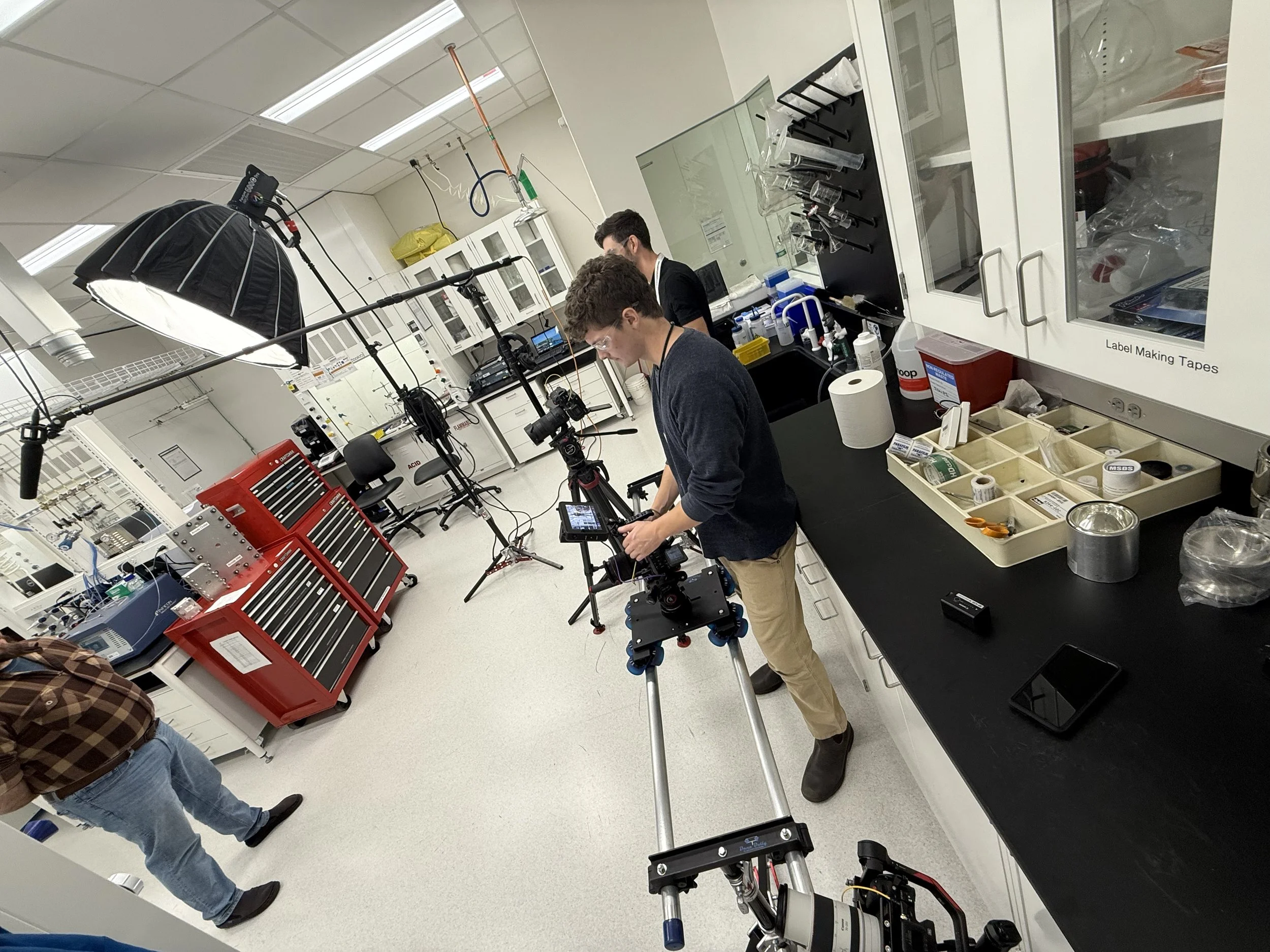
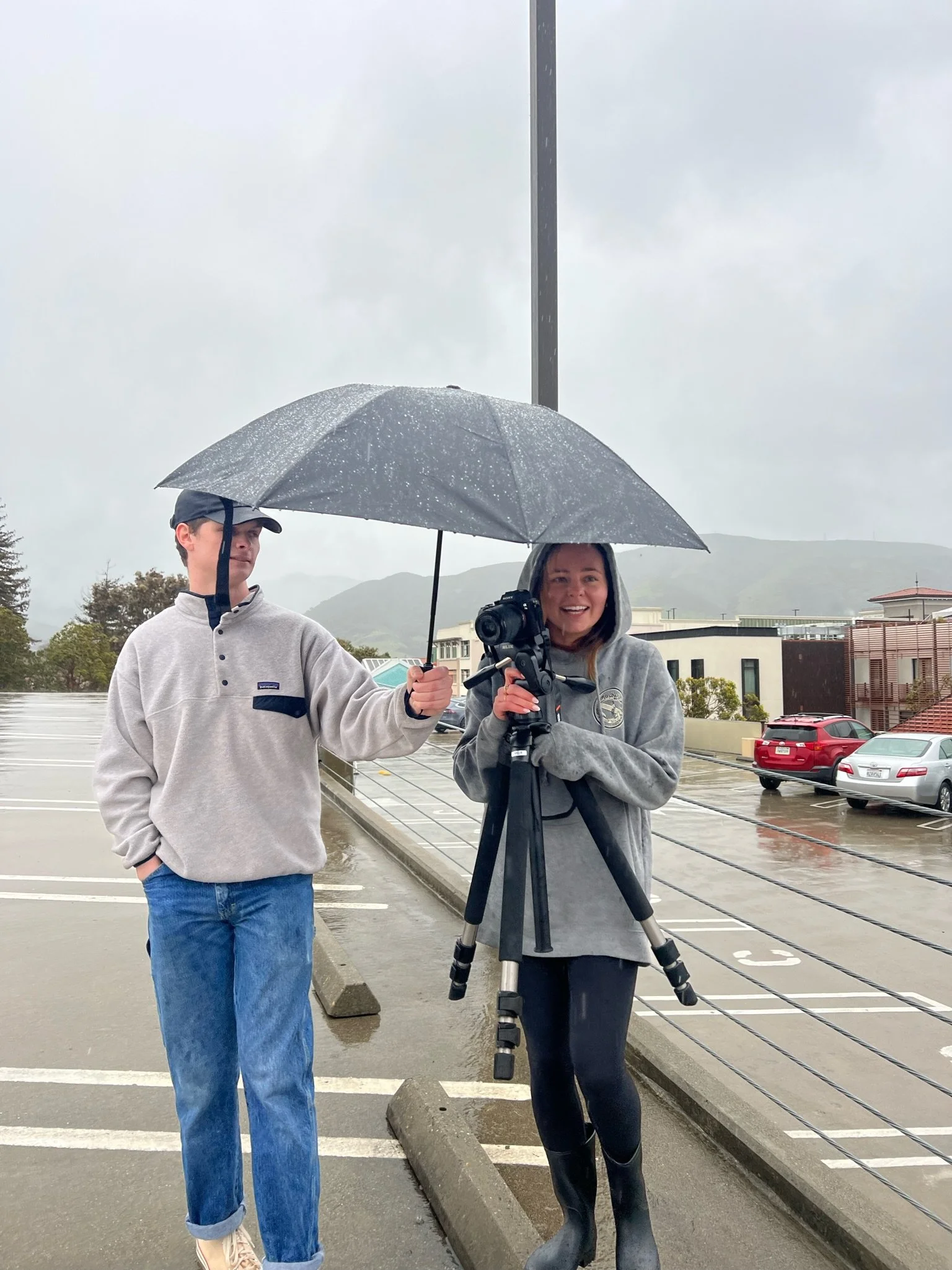
When I met Wild Commons Co-Founder, Kika Tuff, fresh off a move to Denver, something clicked. At Wild Commons, we believe that science and storytelling go hand in hand. We know we use stories to ask our communities to care, and when we care, we invite ourselves to change. That’s why creating space for more storytellers is so important. The stories we tell shape what, and who, we choose to protect.
Looking back, I think about that nine-year-old kid sitting cross-legged in front of my grandma's television. He didn't know anything about conservation biology or science communication, just that he cared about the species he saw on screen. I was so lucky to grow up with stories that taught me to steward our planet. Now, I’m proud to help amplify the voices of independent natural history filmmakers; so their stories can reach the next nine-year-old ready to fall in love with the world.